White House Says Trump Signs New Executive Orders at Live Event
Synopsis
The White House announced that President Donald Trump signed a fresh batch of executive orders on 4 June 2026 during a live broadcast from Washington DC. The brief post did not list the subjects of the orders, leaving details to emerge through the broadcast and agency follow-ups, continuing Mr Trump's established second-term pattern of unilateral executive direction.
Key Takeaways
The White House confirmed President Donald Trump signed executive orders on 4 June 2026, broadcast live on X.
The post did not specify the subjects, numbers or named officials linked to the orders.
Mr Trump issued over 220 executive orders during his first term from 2017 to 2021.
Federal agencies and executive branch staff will translate the directives into implementation guidance.
Indian stakeholders will watch for any orders affecting visas, trade tariffs or technology policy.
Full text and agency memos are expected via the White House and Federal Register in the coming days.
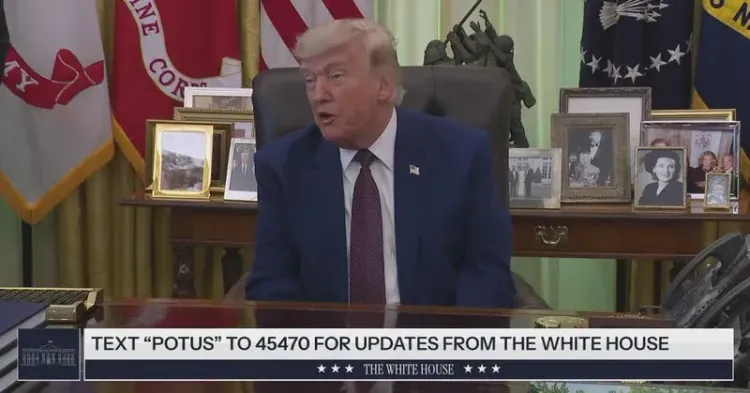
The White House, the official communications arm of the Executive Office of the President of the United States, announced on 4 June 2026 that President Donald Trump signed a fresh set of executive orders during a live broadcast streamed on X. The post, published in the early hours of the morning India time, linked directly to the live video feed of the signing event from Washington DC.
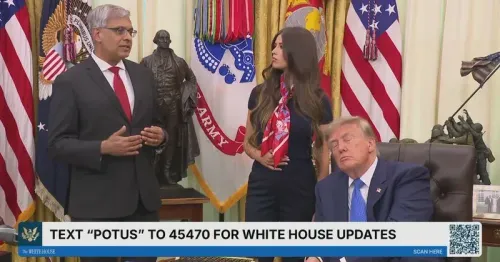
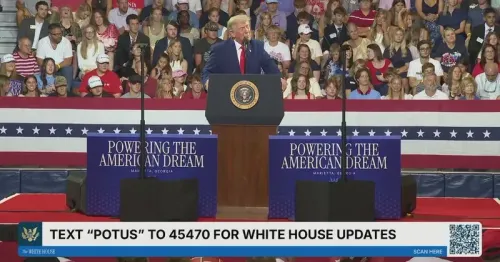
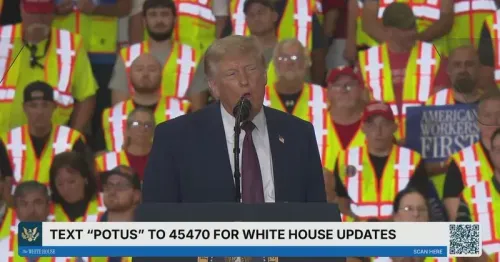
The brief message from the White House read simply, 'President Trump Signs Executive Orders', accompanied by a link to the live broadcast and a still image from the event. The post did not specify the subject matter or number of orders signed, leaving the substantive details to be disclosed through the broadcast itself and through follow-up communications from federal agencies.
Context
Executive orders are written directives issued by the President to manage the operations of the federal government. They carry the force of law within the executive branch but do not require Congressional approval, making them a preferred instrument for presidents seeking to move quickly on policy priorities.
Mr Trump, who served as the 45th President from 2017 to 2021 and returned to the White House for a second term beginning in 2025, has consistently leaned on executive orders to advance his agenda. The June 2026 signing continues a well-established pattern of high-visibility, on-camera signings that have become a hallmark of his governing style.
Policy backdrop
During his first term, Mr Trump issued more than 220 executive orders, touching on immigration, deregulation, federal hiring, and trade. One of his earliest, Executive Order 13765 in January 2017, directed federal agencies to minimise the regulatory and economic burdens of the Affordable Care Act pending its repeal.
The reliance on unilateral executive direction is not unique to Mr Trump. American presidents from both parties have used the instrument to shape policy when legislative routes are blocked or slow. However, the frequency and breadth of Mr Trump's orders, and the legal challenges they often attract, have placed the practice at the centre of contemporary debates over executive power in the United States.
Stakeholders and impact
The immediate audience for any executive order is the federal bureaucracy. Federal agencies and executive branch staff are tasked with translating the President's directives into implementation guidance, rule-making, and enforcement priorities. Depending on the subject of the orders signed on 4 June 2026, the downstream effects could extend to American businesses, state governments, and foreign partners.
For Indian observers, executive orders from Washington frequently carry weight beyond US borders. Past Trump-era directives on H-1B visas, trade tariffs, and technology export controls have had direct consequences for Indian professionals, exporters and IT services firms. Any new orders touching immigration, trade or technology policy will be watched closely in New Delhi and by Indian industry bodies.
What's next
The full text of the orders is expected to be released through the White House website and the Federal Register in the days following the signing. Agency-level implementation memos typically follow within weeks, setting out timelines and operational details.
Legal challenges are also a near-certainty for any contentious directive, given the active litigation history surrounding executive actions in Mr Trump's first term. Observers in India will be tracking whether any of the new orders intersect with bilateral concerns, including visa policy, defence cooperation and the ongoing trade dialogue between Washington and New Delhi.
Point of View
Paired with live video to maximise visibility. The absence of subject detail in the announcement is itself notable, suggesting the White House wanted the visual moment to lead the news cycle ahead of the policy substance. For India, the relevant question is not the volume of orders but their sectoral focus, particularly any touching immigration, tariffs or tech transfer. Until the text is public, reactions in New Delhi and among Indian industry will remain cautious.
NationPress
20 Sept 2026
Frequently Asked Questions
What did President Trump sign on 4 June 2026?
President Donald Trump signed a set of executive orders on 4 June 2026, according to a post by The White House on X. The specific subjects of the orders were not disclosed in the announcement itself.
What is a US executive order?
A US executive order is a written directive from the President to manage operations of the federal government. It carries the force of law within the executive branch but does not require approval from the US Congress.
How many executive orders did Trump sign in his first term?
Mr Trump issued more than 220 executive orders during his first term as President from 2017 to 2021, covering areas such as immigration, deregulation and trade.
Can Trump's executive orders affect India?
Yes, US executive orders can affect India when they touch on visas, tariffs, technology exports or defence cooperation. Past Trump-era orders on H-1B visas and trade tariffs had direct consequences for Indian professionals and exporters.
Where can the full text of the new executive orders be read?
The full text is typically published on the White House website and in the Federal Register in the days after signing. Agency implementation memos usually follow within a few weeks.