Trump Signs Maritime Memorandum to Revive US Shipbuilding
Synopsis
President Trump signed a National Security Presidential Memorandum on 13 August 2026 to expand US commercial shipbuilding, develop a skilled maritime workforce, and counter decades of industrial decline that has raised national security concerns.
Key Takeaways
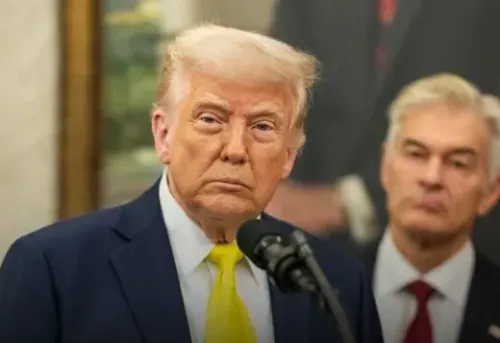
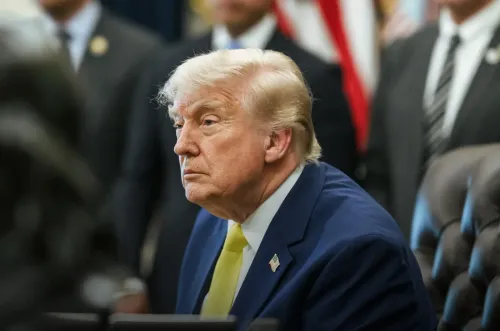
President Donald Trump signed a National Security Presidential Memorandum on 13 August 2026 targeting US maritime revitalisation.
The directive aims to expand commercial shipbuilding capacity , build a resilient workforce, and revitalise the broader maritime industrial base.
The administration framed the order as a national security imperative, not merely an economic one.
The Jones Act of 1920 was the last major legislative anchor for domestic maritime capacity, but US shipbuilding has contracted sharply relative to South Korea , China , and Japan .
Key stakeholders include US shipyards , the maritime labour force, and US Navy planners dependent on domestic production for naval readiness.
Specific funding mechanisms and a legislative roadmap have not yet been publicly detailed.
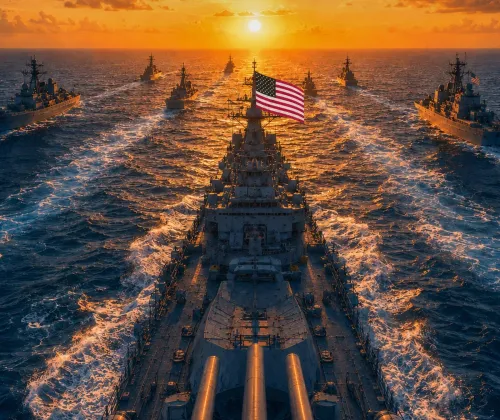
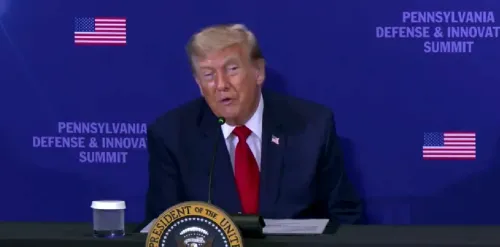
A century after the Jones Act tried to hold the line, America's commercial shipbuilding industry has quietly ceded ground to global rivals — and on 13 August 2026, President Donald Trump moved to reverse that slide. The White House announced that Trump signed a National Security Presidential Memorandum directing a sweeping effort to expand commercial shipbuilding capacity, develop a resilient maritime workforce, and revitalise what the administration is calling a 'new Maritime Golden Age.'
What the Memorandum Sets Out to Do
The directive, framed explicitly as a national security measure, targets three interlocking goals: growing the physical capacity of U.S. shipyards, building and retaining a skilled maritime workforce, and strengthening the broader industrial base that supports both commercial and naval operations. The White House described the order as 'decisive,' signalling an intent to move beyond incremental policy nudges.
The framing matters. By routing the directive through a National Security Presidential Memorandum rather than a standard executive order, the administration underscores that shipbuilding is being treated as a strategic vulnerability — not merely an economic one.
A Century of Decline the Jones Act Couldn't Stop
The Jones Act of 1920 mandated that goods moving between U.S. ports travel on American-built, American-owned, and American-crewed vessels — a foundational attempt to keep domestic maritime capacity alive. For decades it did just that. But over the latter half of the twentieth century, heavily subsidised shipyards in South Korea, China, and Japan outpaced American production by orders of magnitude, leaving the U.S. Navy and commercial operators increasingly dependent on foreign-built hulls and supply chains.
That dependence has drawn bipartisan alarm. A weakened shipbuilding base limits the Navy's ability to surge auxiliary support vessels in a conflict, and it hollows out the skilled-trades pipeline that both military and civilian maritime operations rely on. Successive administrations have flagged the problem; fewer have moved aggressively to address it.
Shipyards, Sailors, and the Stakes for the US Navy
The primary stakeholders watching this memorandum closely are U.S. shipyard operators, the maritime labour workforce, and Pentagon planners who need domestic production capacity to backstop naval readiness. Any serious implementation will require agency guidance on funding mechanisms — whether through direct federal investment, tax incentives for private yards, or expanded procurement mandates — as well as potential legislation to upgrade ageing shipyard infrastructure.
The administration has not yet detailed the specific funding architecture or a legislative roadmap, and the precise provisions of the memorandum remain to be disclosed in full. What the White House has made clear is the ambition: a structural reset, not a patch.
Whether America's shipyards can translate a presidential directive into steel in the water is the real test — and the answer will be measured in keels laid, not memos signed.
Point of View
A framing that tends to unlock Pentagon budgets and bypass typical economic-policy resistance. For India, which is deepening its own maritime ambitions in the Indo-Pacific, a revitalised US shipbuilding base would strengthen a key partner's naval staying power — but could also intensify competition for the same skilled labour and raw materials that Indian yards are beginning to court. The real measure of this memorandum will come in the implementation details: funding, timelines, and whether Congress follows with structural legislation.
NationPress
28 Sept 2026
Frequently Asked Questions
What did Trump sign regarding US shipbuilding in 2026?
President Trump signed a National Security Presidential Memorandum on 13 August 2026 directing the expansion of US commercial shipbuilding capacity, workforce development, and maritime industrial revitalisation — framing it as a national security priority.
What is a National Security Presidential Memorandum?
A National Security Presidential Memorandum is an executive directive issued by the US President to guide national security policy. It carries the same legal weight as an executive order but is specifically routed through the national security apparatus.
Why is US shipbuilding considered a national security issue?
Decades of contraction in US commercial shipbuilding have left the country dependent on foreign-built vessels and supply chains. This limits the US Navy's ability to surge support ships in a conflict and weakens the skilled-trades pipeline that military and civilian maritime operations both rely on.
What is the Jones Act and how does it relate to this memorandum?
The Jones Act of 1920 requires that goods transported between US ports travel on American-built, American-owned, and American-crewed ships. It was designed to sustain domestic maritime capacity, but US shipbuilding has still declined sharply relative to rivals like South Korea , China , and Japan .
What happens next after Trump's maritime memorandum?
The key next steps are agency guidance on funding mechanisms — such as federal investment, tax incentives, or procurement mandates — and potential legislation to upgrade shipyard infrastructure. The specific provisions and implementation timeline of the memorandum have not yet been fully disclosed.