Is Trump Reviving Shipbuilding Cooperation with South Korea and Japan?

Synopsis
In a bold move to revitalize the U.S. shipbuilding sector, President Trump has announced a new action plan that emphasizes cooperation with South Korea and Japan. This initiative aims to enhance America's maritime capabilities amidst growing competition with China. Discover how this strategy may reshape the future of U.S. shipbuilding.
Key Takeaways
America's shipbuilding sector is set for revitalization.
Historic cooperation with South Korea and Japan is emphasized.
Investment of at least $150 billion is pledged for the industry.
The 'Bridge Strategy' aims to shift ship construction to the U.S.
Collaboration is essential for addressing global maritime competition.
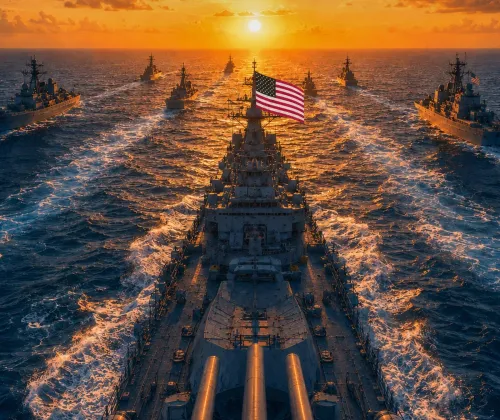
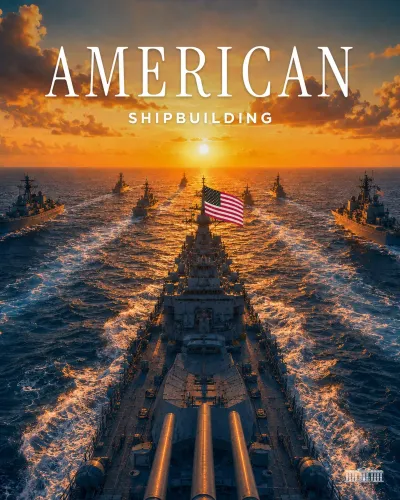
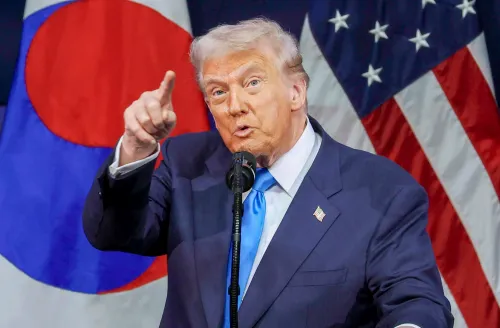
Washington, Feb 14 (NationPress) The administration of US President Donald Trump has launched a comprehensive action plan aimed at revitalizing America's shipbuilding sector. This initiative emphasizes ongoing historic collaboration with South Korea and Japan, along with a strategy that allows for the initial ships in a contract to be constructed at an allied foreign shipyard.
The White House unveiled "America's Maritime Action Plan," coinciding with efforts from Seoul and Washington to bolster cooperation under South Korea's "Make American Shipbuilding Great Again (MASGA)" initiative, which is part of a bilateral trade and investment agreement, according to the Yonhap news agency.
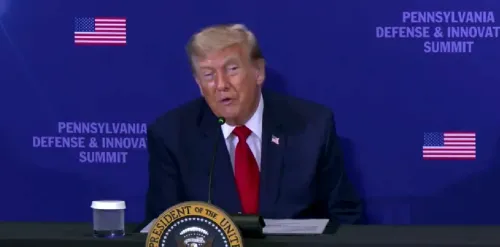
In April, Trump signed an executive order titled "Restoring America's Maritime Dominance," which mandated the creation of this plan. Secretary of State Marco Rubio and Director of the Office of Management and Budget Russell Vought, alongside other Cabinet members, were integral in formulating this plan.
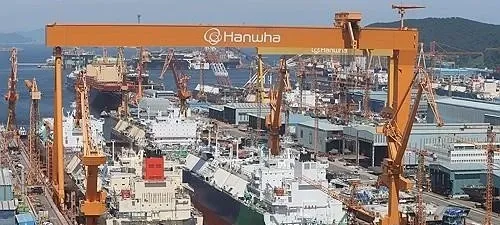
The Trump administration is focused on enhancing the nation's shipbuilding capabilities, especially as China reportedly possesses over 230 times the shipbuilding capacity of the United States, amidst escalating Sino-U.S. strategic competition.
The document states, "The United States will consult with China on shipbuilding capacity issues and continue its historic cooperation with the Republic of Korea and Japan on revitalizing U.S. shipbuilding," thereby formalizing collaboration with these key Asian allies.
The plan introduces a "Bridge Strategy" for multi-ship procurement, where the first ships in a contract are built at a foreign shipbuilder's home facility, while simultaneous direct capital investments are made in a U.S. shipyard they have acquired or partnered with. This approach aims to eventually shift ship construction to the U.S.
This strategy reflects the reality of the U.S.'s limited domestic shipbuilding capacity as it seeks to rapidly secure more vessels.
The document also indicates that Trump has secured at least US$150 billion in dedicated investments for the nation's shipbuilding industry, with the U.S. Commerce Department working to mobilize these funds effectively.
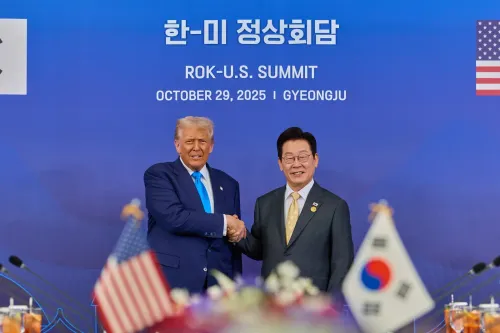
For the MASGA initiative, South Korea has set aside $150 billion as part of a larger $350 billion investment pledge under the trade agreement with the Trump administration, in exchange for Washington reducing "reciprocal" tariffs on the nation from 25 percent to 15 percent.
The Trump administration emphasized the necessity of industrial cooperation with allies and partners, stating, "Close coordination with allies and partners will align trade policies to enhance investment in the U.S. maritime sector."
"Diplomatic engagement and coalition building ensure that U.S. trade enforcement measures are reinforced by allied action, while targeted incentives encourage shipbuilders from partner nations to invest directly in America's MIB (maritime industrial base)."
Point of View
The unveiling of this action plan marks a significant step towards revitalizing America's shipbuilding industry, fostering cooperation with crucial allies like South Korea and Japan. It reflects a strategic response to global maritime competition, particularly from China, and underscores the importance of industrial collaboration in enhancing national security.
NationPress
3 Oct 2026
Frequently Asked Questions
What is the goal of Trump's maritime action plan?
The goal is to revitalize America's shipbuilding industry by enhancing cooperation with South Korea and Japan, ultimately aiming to secure more vessels amidst growing competition from China.
How much investment has been pledged for the shipbuilding sector?
The Trump administration has secured at least $150 billion in dedicated investments for the U.S. shipbuilding industry.
What is the MASGA initiative?
The MASGA initiative, or 'Make American Shipbuilding Great Again,' is a proposal from South Korea aimed at strengthening bilateral trade and investment agreements with the U.S.
What is the 'Bridge Strategy' proposed in the action plan?
The 'Bridge Strategy' allows for the first ships in a contract to be built in a foreign shipyard while making capital investments in a U.S. shipyard to eventually shift construction to America.
Why is cooperation with South Korea and Japan important?
Cooperation with these nations is crucial for enhancing investment in the U.S. maritime sector and aligning trade policies amidst global competition.