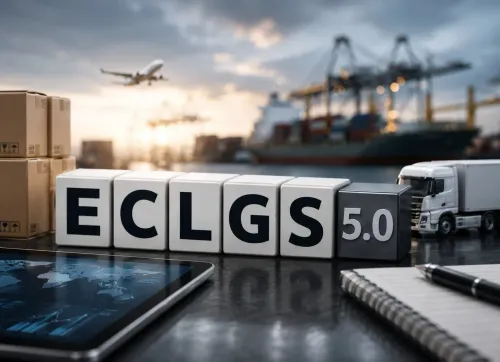
ECLGS 5.0: Govt's ₹5,000 crore airline credit scheme hailed by PHDCCI
Synopsis
India's government has approved a ₹5,000 crore emergency credit line for airlines under ECLGS 5.0 as the West Asia crisis strains air connectivity and tourism. PHDCCI, which had specifically recommended such a measure in its Tourism and Hospitality Resilience Report, says the move could protect jobs, stabilise fares, and shield inbound tourism from long-haul markets.
Key Takeaways
PHDCCI welcomed the government's ₹5,000 crore emergency credit scheme for airlines under ECLGS 5.0 on 9 May 2025 .
The scheme targets financial and operational stress caused by the West Asia crisis , which has disrupted air routes and raised ATF costs.
PHDCCI's Tourism and Hospitality Resilience Report had specifically recommended targeted liquidity support for aviation and tourism stakeholders.
Higher operating costs and limited seat availability risk dampening inbound tourism from Europe and North America .
PHDCCI also called for ATF cost rationalisation, VAT reduction on aviation fuel, e-Visa improvements, and liquidity support for tourism MSMEs .
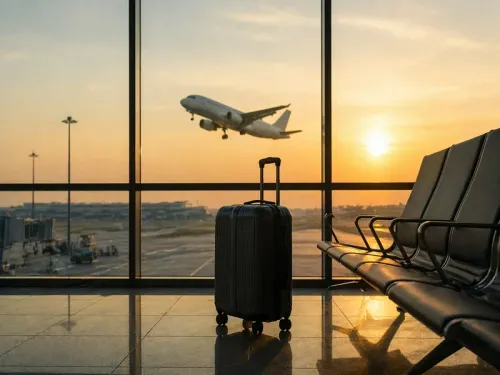
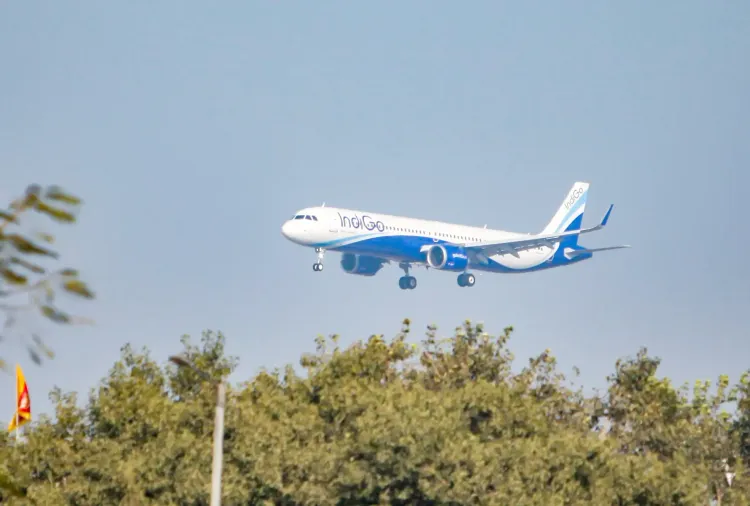
The PHD Chamber of Commerce and Industry (PHDCCI) on Saturday, 9 May welcomed the government's decision to approve a ₹5,000 crore emergency credit support scheme for airlines under ECLGS 5.0, aimed at addressing financial and operational stress triggered by the ongoing West Asia crisis. The scheme is designed to provide liquidity relief to Indian carriers navigating elevated operating costs and route disruptions caused by the geopolitical conflict.
What ECLGS 5.0 Offers Airlines
ECLGS 5.0 — the latest iteration of the Emergency Credit Line Guarantee Scheme — extends a ₹5,000 crore credit facility specifically targeted at the aviation sector. The scheme is intended to help airlines maintain operational continuity amid the financial pressures stemming from the West Asia conflict, which has disrupted air corridors, pushed up aviation turbine fuel (ATF) costs, and constrained seat availability on key international routes.
Rajeev Juneja, President of PHDCCI, said the government's intervention
Point of View
But it does not address the structural vulnerabilities the West Asia crisis has exposed. Indian aviation's dependence on overflying rights through conflict-affected airspace, combined with chronically high ATF taxes — among the steepest globally — means liquidity support alone will not restore competitiveness. PHDCCI's broader ask, including VAT rationalisation on aviation fuel and MSME tourism liquidity, deserves equal urgency. Without those structural fixes, the next geopolitical shock will trigger the same emergency-credit scramble.
NationPress
25 Sept 2026
Frequently Asked Questions
What is the ECLGS 5.0 airline emergency credit scheme?
ECLGS 5.0 is the government's latest Emergency Credit Line Guarantee Scheme, providing a ₹5,000 crore credit facility specifically for airlines to manage financial and operational stress arising from the West Asia crisis. It is intended to help carriers maintain operational continuity amid rising costs and route disruptions.
Why has the West Asia crisis affected Indian airlines?
The ongoing West Asia conflict has disrupted key air corridors used by Indian carriers, raised aviation turbine fuel (ATF) costs, and limited seat availability on international routes. This has squeezed airline margins and risks dampening inbound tourism from long-haul markets such as Europe and North America.
What did PHDCCI recommend ahead of this announcement?
PHDCCI's 'Tourism and Hospitality Resilience Report' specifically recommended targeted financial resilience mechanisms and liquidity support for aviation and tourism stakeholders during periods of geopolitical uncertainty, making the ECLGS 5.0 announcement directly aligned with those recommendations.
Who is affected by the aviation sector stress?
The stress extends beyond airlines to the broader travel ecosystem, including hospitality businesses, travel service providers, and tourism MSMEs. Inbound tourists from Europe and North America are also affected due to higher airfares and longer travel durations caused by route disruptions.
What other policy measures is PHDCCI calling for?
Beyond ECLGS 5.0, PHDCCI has called for ATF cost rationalisation, reduction in VAT on aviation fuel, strengthening of travel facilitation mechanisms including e-Visas, and improved liquidity support for tourism MSMEs to sustain India's long-term tourism competitiveness.