Why is the Airline Turmoil Affecting Our National Economy?
Synopsis
The Delhi High Court has raised serious questions about the Union government’s failure to address the IndiGo flight crisis, which has stranded millions of passengers and inflicted significant economic losses. This article delves into the court’s remarks, the legal implications for airlines, and the urgent need for compliance with compensation guidelines.
Key Takeaways
The Delhi High Court has raised concerns regarding the impact of IndiGo flight disruptions on passengers and the economy.
Compensation guidelines from the DGCA must be strictly followed by airlines.
The court has demanded clarity on the legal provisions available to act against non-compliant airlines.
IndiGo acknowledged the crisis was unprecedented in its history.
Future hearings will continue to monitor the situation closely.
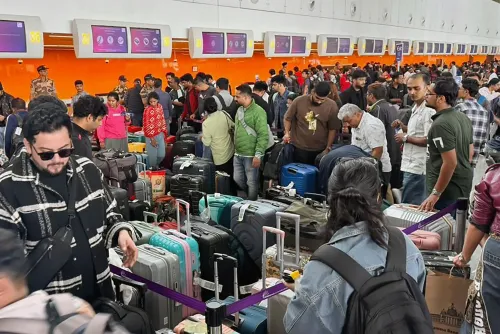
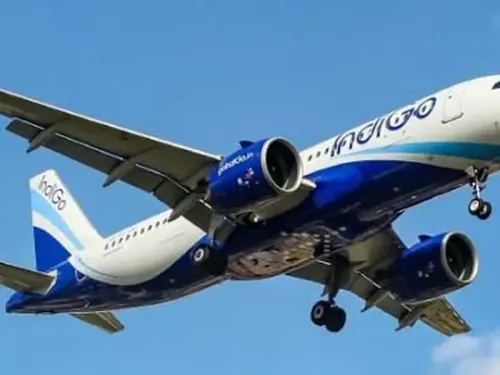
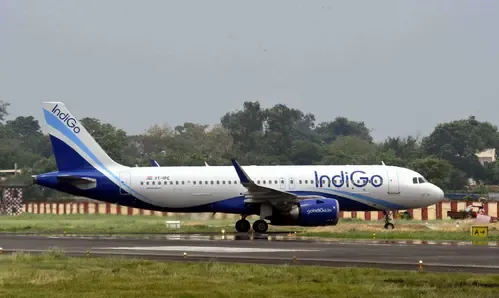
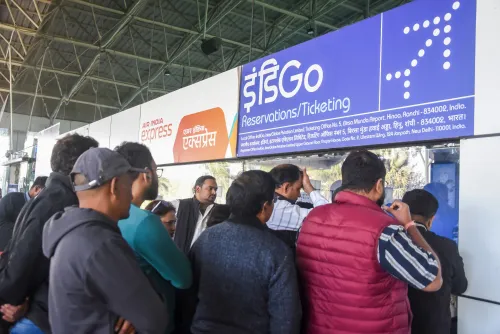
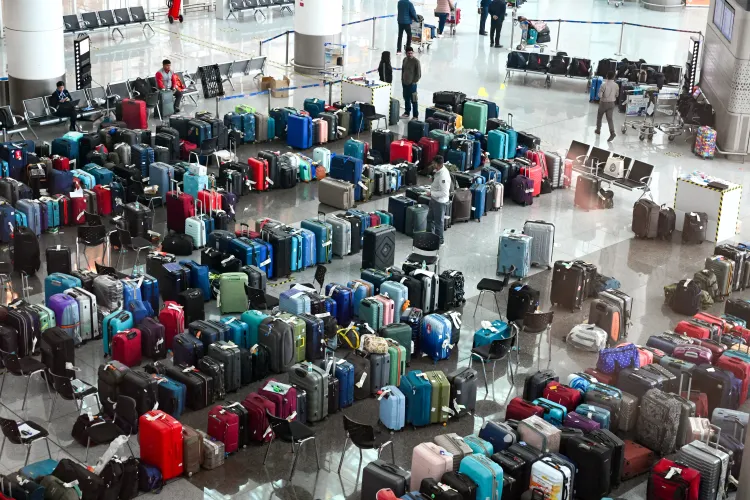
New Delhi, Dec 10 (NationPress) The Delhi High Court has expressed serious concerns regarding the Union government's handling of the extensive cancellations and delays of IndiGo flights. The court questioned why this issue escalated into a nationwide crisis, leaving millions of passengers stranded and causing significant harm to the national economy.
A bench comprising Chief Justice Devendra Kumar Upadhyaya and Justice Tushar Rao Gedela reviewed a public interest litigation (PIL) requesting an independent judicial investigation into the matter. They noted that this crisis is not merely a passenger inconvenience but also has detrimental effects on the country’s economy.
“We acknowledge the actions taken by the Union Ministry of Civil Aviation and DGCA (Directorate General of Civil Aviation). However, we are troubled by how the situation deteriorated to such an extent, leaving millions of passengers without assistance at airports. In today’s world, the swift movement of passengers is crucial for keeping the economy active,” the CJ Upadhyaya-led Bench remarked.
During the proceedings, the Delhi High Court demanded that the Centre clarify the legal frameworks available to penalize airlines that violate regulations.
The bench referred to the powers granted to the DGCA and the Centre under the Bharatiya Vayuyan Adhiniyam, questioning, “If an airline disregards directives, what recourse do you have? Are you powerless? We seek to understand under which provisions or policy decisions you can take action against them?”
In response, Additional Solicitor General Chetan Sharma informed the court that a high-level committee had been established and that the DGCA had issued a show-cause notice to IndiGo, which had “expressed deep regret.”
The law officer mentioned that fare caps were implemented within two days of the crisis.
Nonetheless, the Delhi High Court pointed out that ticket prices had already surged to between Rs. 30,000 and 40,000 by that time.
“If there was a crisis, how could other airlines exploit it? How was this allowed to happen?” the court inquired.
Meanwhile, senior advocate Sandeep Sethi, representing IndiGo, stated that the disruption was unprecedented in the airline’s 19-year history and resulted from “multiple factors,” including technical difficulties.
The Delhi High Court mandated strict compliance with the DGCA’s compensation guidelines, instructing IndiGo to “immediately” begin compensating passengers. The court emphasized that compensation should extend beyond cancellations to cover the “distress caused by unhelpful staff and prolonged delays.”
Noting deficiencies in the PIL, the CJ-led bench indicated it was exercising its jurisdiction due to the public interest at stake. The case is scheduled for a follow-up hearing on January 22, 2026, with the court directing that any inquiry report be submitted in a sealed cover.
Point of View
It is essential to acknowledge the gravity of the situation affecting not only passengers but the broader economic landscape. The High Court's intervention underscores the necessity for accountability and swift action from both airlines and regulatory bodies. The nation deserves clarity and assurance in the face of such turmoil, and it is our duty to advocate for the public's interest.
NationPress
6 Oct 2026
Frequently Asked Questions
What actions did the Delhi High Court take regarding IndiGo?
The court criticized the Union government for allowing the IndiGo flight crisis to escalate and demanded immediate compensation for affected passengers.
How many passengers were impacted by the IndiGo flight issues?
The crisis has stranded millions of passengers nationwide due to extensive flight cancellations and delays.
What legal measures can the government take against airlines?
The High Court sought clarification on the legal provisions available to penalize airlines that fail to comply with regulations.
What did IndiGo claim about the disruptions?
IndiGo's representative stated that the disruptions were unprecedented and caused by multiple factors, including technical issues.
When will the next hearing on this matter be held?
The next hearing is scheduled for January 22, 2026.