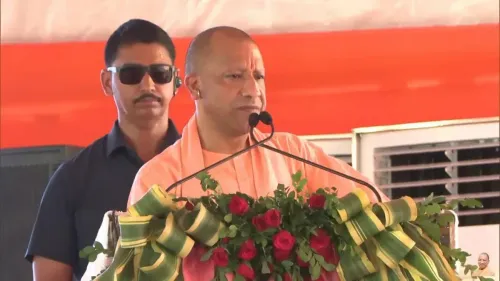
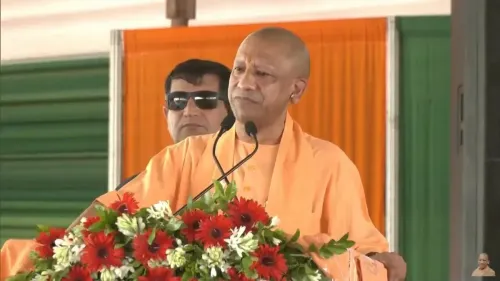
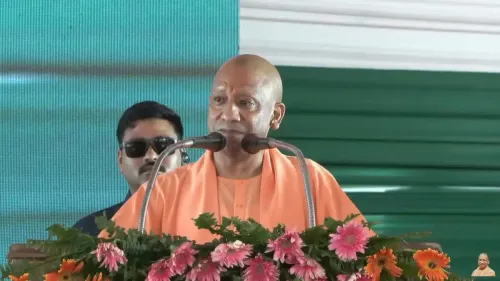
CM Yogi: UP has replaced 'Rule of Mafia' with Rule of Law

Synopsis
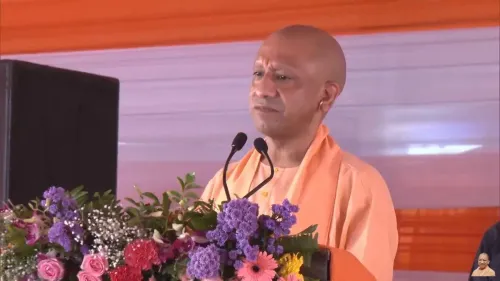
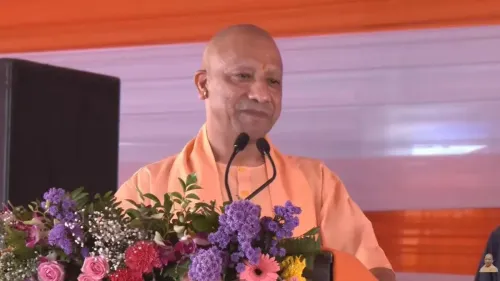
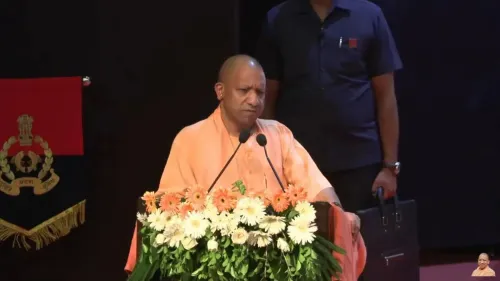
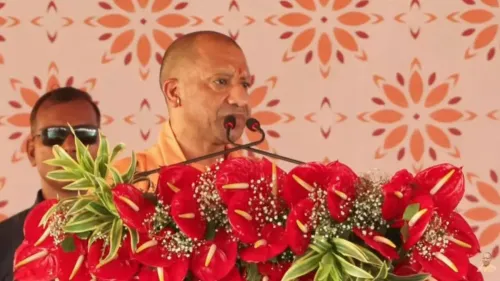
Uttar Pradesh Chief Minister Yogi Adityanath declared on X that his government has replaced 'Rule of Mafia' with Rule of Law in UP, reinforcing the BJP's nine-year anti-organised-crime governance narrative ahead of an expected state crime statistics release.
Key Takeaways
CM Yogi Adityanath posted on 12 November 2026 that Uttar Pradesh has moved from 'Rule of Mafia' to Rule of Law.
The anti-mafia campaign has been a defining governance plank since Adityanath took office in March 2017 .
Targeted sectors include real estate, mining, sand extraction, and the liquor trade , where organised crime had long operated with political cover.
The government's methods — police encounters, asset seizures, and bulldozer demolitions — have drawn both civil-liberties criticism and broad electoral support across UP's 240 million residents .
The statement is timed ahead of the state home department's next annual crime statistics report, which will serve as an independent check on the claim.
Nine years after taking office with a pledge to end organised crime's stranglehold on Uttar Pradesh, Chief Minister Yogi Adityanath doubled down on that signature promise on Thursday, 12 November 2026 — declaring on X that the state has completed a historic transition from criminal dominance to constitutional order.
In his post, the Chief Minister stated: 'उत्तर प्रदेश में Rule of Mafia के स्थान पर Rule of Law स्थापित हुआ है' — 'In Uttar Pradesh, the Rule of Law has been established in place of the Rule of Mafia.' Short. Confident. Aimed squarely at a narrative the BJP has been building since March 2017.
The 'Mafia Raj' that Yogi inherited — and targeted
When Adityanath assumed office, Uttar Pradesh was widely associated with entrenched organised crime networks embedded in real estate, mining, sand extraction, and the liquor trade. Land grabbers and sand mafia operators wielded political cover, and police encounters were rare enough to make headlines when they happened at all.
The incoming administration moved to change that calculus fast. Adityanath publicly committed to police encounters and large-scale asset seizures targeting syndicate-linked properties and businesses. Bulldozer-led demolitions of illegally acquired assets became a visual centrepiece of the government's anti-crime messaging — a tactic that drew both fierce criticism from civil liberties groups and equally fierce applause from voters who felt the old order had been untouchable.
A governance plank, repeated with purpose
Thursday's post is not a one-off. It fits a consistent pattern: the Yogi government has periodically released encounter tallies, arrest data, and seizure figures from the Uttar Pradesh Police, each accompanied by explicit comparisons to the preceding Samajwadi Party administration. The framing is deliberate — 'then versus now', 'mafia raj versus rule of law' — and it has anchored the BJP's pitch to UP's 240 million residents across two successive election cycles.
What gives this round of messaging added weight is its timing. With the state home department expected to release its next annual crime statistics, any data showing sustained declines in organised crime indices will land as direct corroboration of the Chief Minister's claim. Any uptick, conversely, will be ammunition for the opposition.
What the numbers will decide
Declarations are easy; datasets are harder to spin. The real test of whether 'Rule of Law' is institutionalised — or merely a campaign line — lies in what the next crime report shows about repeat offenders, land-grabbing cases, and the speed of criminal trials. Yogi Adityanath has staked his political identity on this promise. The ledger is still open.
Point of View
As the government enters its second decade in power, the benchmark shifts: the question is no longer whether the mafia was confronted, but whether institutional reforms — faster trials, transparent policing, land-record digitisation — have made the gains durable without the Chief Minister's personal political will as the sole guarantor.
NationPress
12 Nov 2026
Frequently Asked Questions
What did CM Yogi Adityanath mean by 'Rule of Mafia' in UP?
CM Yogi used the term to describe the period before his 2017 government, when organised crime networks in real estate, mining, sand extraction, and the liquor trade operated with reported political protection in Uttar Pradesh. His administration has since cited encounters, arrests, and asset seizures as evidence of dismantling that order.
What actions has the Yogi government taken against the mafia in UP?
Since 2017, the Uttar Pradesh government has pursued police encounters, large-scale property seizures, and high-profile bulldozer demolitions of assets linked to criminal syndicates. These actions have targeted land-grabbers, sand mafia operators, and liquor networks across the state.
How has crime changed in Uttar Pradesh under Yogi Adityanath?
The state government has periodically published encounter and arrest data claiming significant declines in organised crime. Independent verification depends on annual crime statistics from the state home department; the next report will be a key data point for assessing the administration's claims.
Why does Yogi Adityanath keep comparing UP to 'mafia raj' times?
The comparison is a central plank of the BJP's political narrative in UP, contrasting the current administration's law-and-order record with the preceding Samajwadi Party government. It has been a consistent messaging strategy deployed during election campaigns and periodic governance reviews.
What is next for UP's anti-mafia drive in 2026?
Observers are watching for the state home department's next annual crime statistics report and any large-scale anti-mafia operation announcements. Those data will independently test whether the Chief Minister's 'Rule of Law' assertion holds up beyond political messaging.