CM Himanta Meets Public Directly to Refine Assam Policy
Synopsis
Assam Chief Minister Himanta Biswa Sarma on 12 November 2026 reaffirmed his governance philosophy of taking direct feedback from citizens to refine state policies, sharing images of public interactions on X.
Key Takeaways
Himanta Biswa Sarma reaffirmed on 12 November 2026 that direct public feedback shapes Assam's policy decisions.
The Chief Minister stated he consistently meets citizens at every opportunity to understand their problems and act on them.
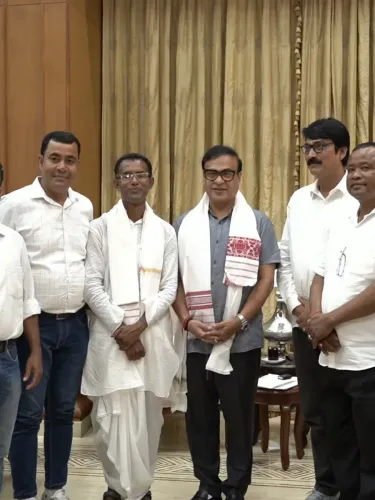
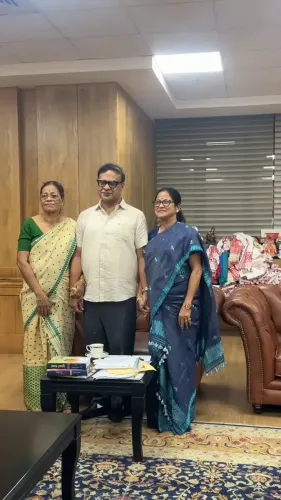
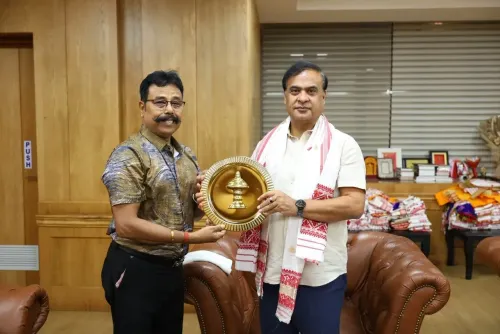
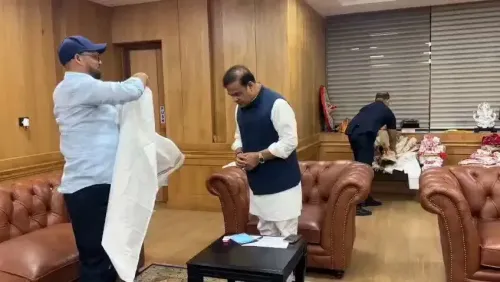
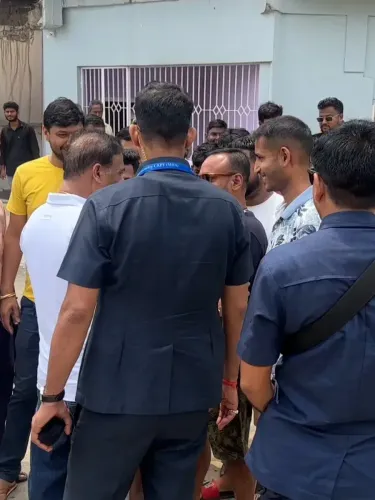
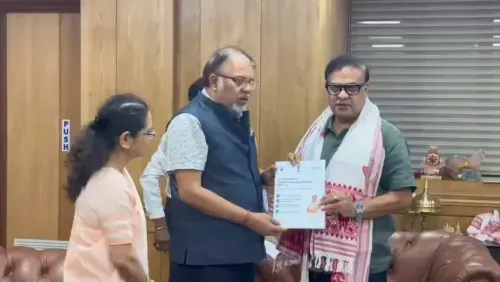
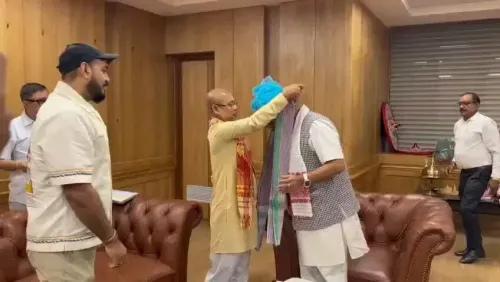
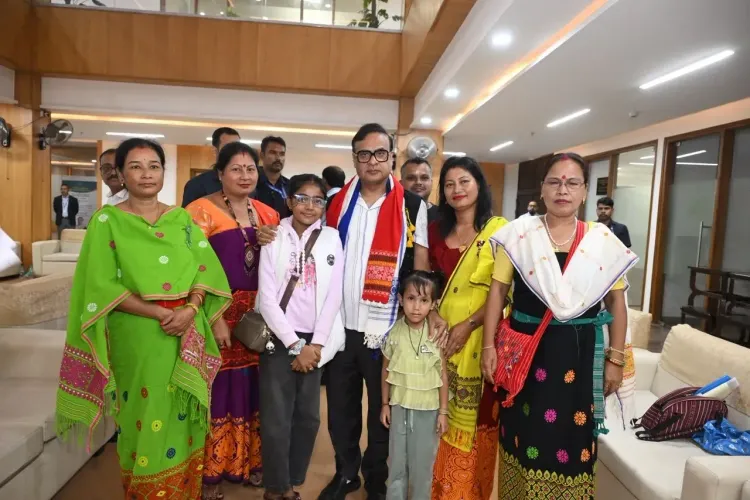
The post was accompanied by four images , consistent with his pattern of sharing visual evidence of public engagement.
Sarma has used public accessibility as a governance signature since becoming Assam CM in May 2021 .
As NEDA convenor , ground-level trust-building carries added political weight across the northeast's diverse communities.
Governing by listening — that is the principle Assam Chief Minister Himanta Biswa Sarma put on record on Thursday, 12 November 2026, reaffirming his practice of drawing direct public feedback to sharpen state policies and personally engaging with citizens to understand and act on their grievances.
In his post, the Chief Minister wrote: 'जनता से Direct Feedback लेकर हम अपनी नीतियों में सुधार करते हैं' — 'By taking direct feedback from the people, we improve our policies and make them even better.' He added that he consistently tries to meet the janta janardhan — the common people, a phrase that casts citizens as the ultimate sovereign — at every opportunity, to understand their problems and take necessary steps towards their resolution.
Why 'Direct Feedback' Has Become Sarma's Signature
For Himanta Biswa Sarma, public accessibility has been a recurring theme since he assumed office as Assam's Chief Minister in May 2021. He has consistently used district visits, public durbars, and social-media posts accompanied by photographs of on-ground interactions to signal proximity to the electorate. The post was accompanied by four images, consistent with the CM's pattern of sharing visual evidence of public meetings rather than issuing abstract statements.
As convenor of the North-East Democratic Alliance (NEDA), Sarma operates not only as the head of Assam's administration but as the BJP's principal political manager across the northeast — a region where trust-building through visible grassroots engagement carries particular electoral weight given the diversity of communities and concerns.
Routine Outreach or Signals of a Policy Recalibration?
Indian chief ministers regularly use social media to highlight citizen-outreach moments, and Sarma's post fits that established pattern. Yet the specific framing — that feedback is actively 'improving' policies — nudges the statement beyond a ceremonial update. It is a signal to both constituents and the bureaucracy that ground-level grievances are, in principle, feeding back into governance decisions.
What those adjustments might be, the post does not specify. But the communication itself serves a clear purpose: reinforcing that the government is not static, that it listens, and that the CM is personally driving that loop. In a state as politically competitive and demographically complex as Assam, that posture matters as much as any single policy announcement.
The question is whether the feedback loop stays symbolic — or whether the next district visit produces a concrete announcement that shows it working.
Point of View
'on-the-ground' leadership — particularly potent in Assam, where the ruling party must hold together a wide coalition of communities. The framing that feedback actively 'improves' policy is a subtle but deliberate upgrade from mere optics: it ties the CM's visibility to governance outcomes. With assembly election cycles always in view in the northeast, such sustained communication builds an incumbency shield. Watch whether these stated feedback loops translate into verifiable policy reversals or scheme modifications — that is what will distinguish the substance from the signal.
NationPress
12 Nov 2026
Frequently Asked Questions
What did Assam CM Himanta Biswa Sarma say about public feedback?
He stated that his government takes direct feedback from citizens to improve its policies, and that he personally meets people at every opportunity to understand their problems and work towards solutions.
Why does Himanta Biswa Sarma hold public meetings?
Sarma uses public meetings and citizen interactions as a core governance tool to identify grassroots problems and feed them into policy corrections, a practice he has maintained since becoming Assam CM in 2021.
What is NEDA and what is Himanta's role in it?
NEDA — the North-East Democratic Alliance — is a BJP-led political coalition of regional parties across India's northeast. Himanta Biswa Sarma serves as its convenor, making him the BJP's key political coordinator in the region.
When did Himanta Biswa Sarma become Chief Minister of Assam?
Himanta Biswa Sarma became Chief Minister of Assam in May 2021 after the BJP-led alliance won the state assembly elections.
What language did Himanta Biswa Sarma use in his X post on 12 November 2026?
He posted in Hindi, writing that direct feedback from the public helps the government improve its policies and serve citizens better.