CM Himanta Meets Citizens for Direct Policy Feedback
Synopsis
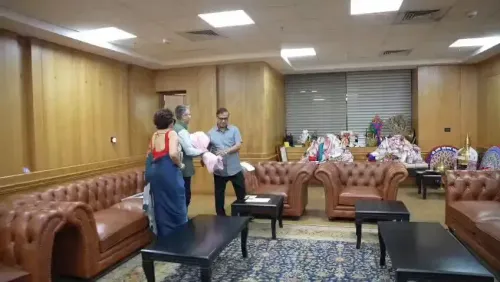
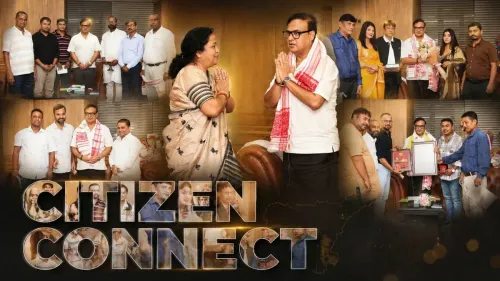
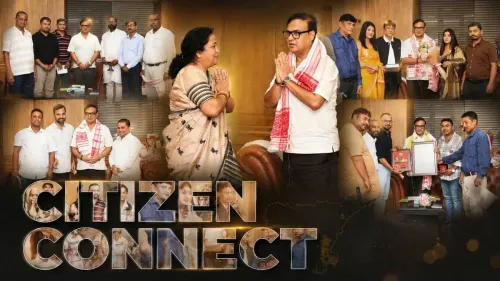
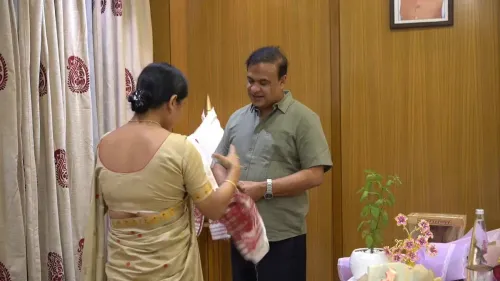
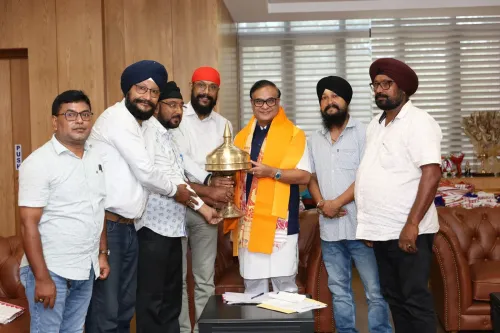
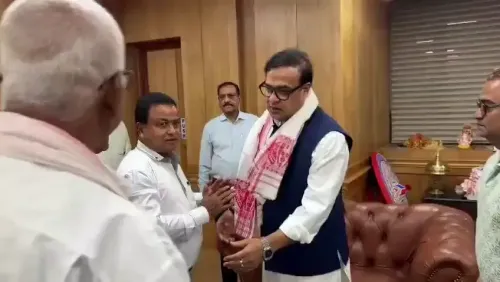
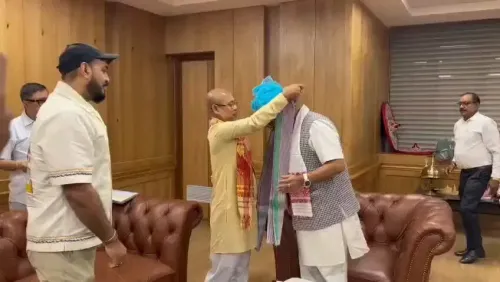
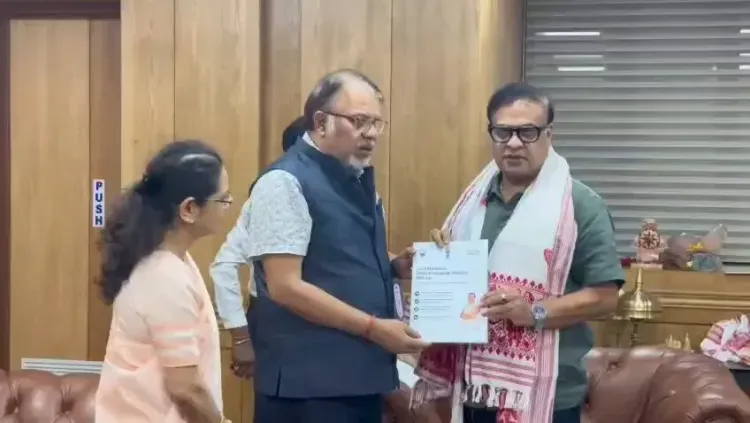
Assam Chief Minister Himanta Biswa Sarma met citizens from varied backgrounds on the night of 14 June 2026 to collect direct feedback on government policies and future plans, calling the exercise central to his administration's people-first governing approach.
Key Takeaways
Assam Chief Minister Himanta Biswa Sarma held a citizen-connect session on the night of 14 June 2026 , meeting people from different walks of life.
The meeting was aimed at gathering direct public feedback on the state government's existing policies and upcoming plans.
Sarma has emphasised people-centric administration as a core pillar of his tenure since becoming Chief Minister in May 2021 .
The outreach aligns with a broader BJP governance model that promotes direct citizen engagement across NDA-ruled states.
Sarma also serves as convenor of the North-East Democratic Alliance (NEDA) , giving such exercises regional political significance.
Further policy announcements or scheme adjustments based on the feedback are expected in the days ahead , per Sarma's own statement.
Assam Chief Minister Himanta Biswa Sarma held an informal public outreach session on the night of Sunday, 14 June 2026, meeting citizens from diverse backgrounds to gather direct feedback on his government's policies and future plans. Sarma shared details of the meeting on X (formerly Twitter) on Monday, 15 June 2026, framing the exercise as central to his administration's governing philosophy.
Context
In his post, Sarma wrote: 'The strength of our Government lies in staying connected with our people. Last night, I met citizens from different walks of life to take a direct feedback on our Govt's policies and our plans for the days ahead.' He added, 'Together, we are scripting a new chapter in Assam's growth journey.' The meeting, which included participants from varied socio-economic sections, was positioned as a listening exercise rather than a formal policy announcement.
Such direct public-connect sessions have become a recurring feature of Sarma's governance style since he assumed office as Chief Minister in May 2021 following the BJP-led alliance's victory in the Assam assembly elections. The Chief Minister has consistently emphasised people-centric administration as a distinguishing feature of his tenure.
Policy Backdrop
BJP-governed states across India have promoted direct outreach and citizen feedback as core governance instruments, a model reinforced at the national level since 2014. In the Northeast, this approach serves a dual purpose: integrating regional development priorities with centrally sponsored schemes under the NDA framework, and building political trust in states where governance connectivity has historically been uneven.
Sarma also serves as convenor of the North-East Democratic Alliance (NEDA), a coalition that groups BJP and allied parties across eight northeastern states. His role as a regional political anchor gives such outreach exercises a significance beyond Assam alone, signalling a model of engagement that NEDA partners may be expected to emulate.
Stakeholders and Impact
The immediate stakeholders are Assam's citizens, whose feedback is described as informing both ongoing policy calibration and forward planning. For residents of the state, direct access to the Chief Minister — even in an informal setting — represents a visible commitment to responsive governance, particularly in districts that have historically felt distant from the state capital Dispur.
For the broader BJP ecosystem in the Northeast, Sarma's public communication of such meetings reinforces a narrative of accessible, ground-level administration. Opposition parties in Assam have in the past questioned the depth and representativeness of such consultations, though no formal counter-statement was issued in response to this specific post.
What's Next
Observers will watch for concrete policy announcements or scheme adjustments that the Assam government attributes to the feedback gathered in sessions like this one. Sarma has previously followed public consultations with targeted welfare measures and infrastructure announcements, and the reference to 'plans for the days ahead' suggests further government communication is imminent.
As Assam continues its development push under the BJP-led administration, the frequency and format of such citizen-connect exercises are likely to remain a visible part of the Chief Minister's public outreach calendar — and a barometer of the administration's political confidence heading into the next electoral cycle.
Point of View
Not just delivery. In a state where the BJP has sought to consolidate its base across communities, visible accessibility carries electoral weight beyond its administrative value. The framing — 'scripting a new chapter in Assam's growth journey' — signals that the Chief Minister is building a forward-looking narrative, likely in anticipation of policy announcements or a pre-election positioning cycle. For the broader NDA apparatus in the Northeast, this kind of choreographed grassroots connect sets a template that NEDA partners are implicitly encouraged to replicate.
NationPress
15 Sept 2026
Frequently Asked Questions
Why did Himanta Biswa Sarma meet citizens on 14 June 2026?
Assam Chief Minister Himanta Biswa Sarma met citizens from different walks of life on the night of 14 June 2026 to gather direct feedback on his government's policies and to discuss plans for the coming days, describing public connect as the core strength of his administration.
What is Himanta Biswa Sarma's approach to governance in Assam?
Sarma has emphasised people-centric, ground-level administration since becoming Chief Minister in May 2021, regularly conducting public outreach to align government policy with citizen priorities.
What is NEDA and what is Himanta Biswa Sarma's role in it?
The North-East Democratic Alliance (NEDA) is a coalition of BJP and allied parties across the eight northeastern states. Himanta Biswa Sarma serves as its convenor, making him a key political figure for the entire region.
What policies are expected to follow Himanta Sarma's citizen feedback session?
Sarma's post referred to 'plans for the days ahead,' suggesting forthcoming government announcements, though specific policy details had not been disclosed at the time of the meeting.
How does BJP use citizen outreach as a governance tool in Northeast India?
BJP-governed states, including Assam, have used direct public-feedback sessions to integrate regional development priorities with central schemes under the NDA framework, a model promoted nationally since 2014.