CM Himanta Meets Citizens, Hears Grievances at Office
Synopsis
Assam Chief Minister Himanta Biswa Sarma on 4 July 2026 met citizens at his Guwahati office, personally listening to their concerns and grievances. The meeting reflects his stated commitment to direct public outreach as a core governance practice since taking office in May 2021.
Key Takeaways
Assam Chief Minister Himanta Biswa Sarma held a citizen-outreach meeting at his office on 4 July 2026 .
The Chief Minister personally heard concerns, feedback, and issues raised by members of the public.
Sarma stated his office is 'incomplete' without such meetings, framing citizen access as a governance necessity.
Direct public outreach has been a consistent feature of Sarma's administration since May 2021 .
The practice aligns with a broader BJP -governed-state pattern of projecting accessible, people-centric administration.
Issues noted may be taken up through state grievance mechanisms or in the next Assam Legislative Assembly session.
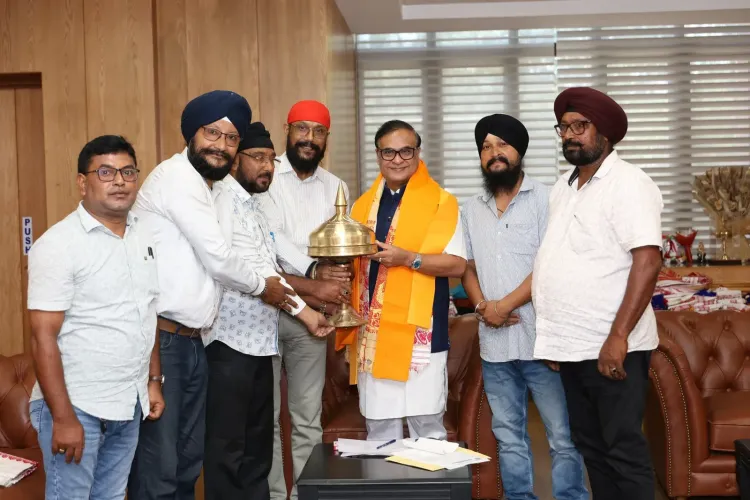
Assam Chief Minister Himanta Biswa Sarma on Saturday, 4 July 2026, held a public meeting at his office in Guwahati, listening to the concerns and feedback of citizens who came to him directly. The Chief Minister noted the issues raised and reaffirmed that his office exists to serve the people of Assam.
Context
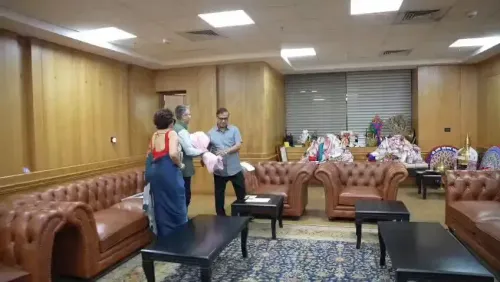
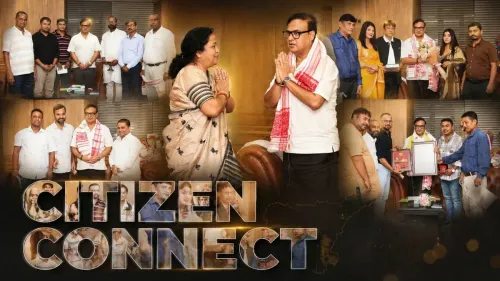
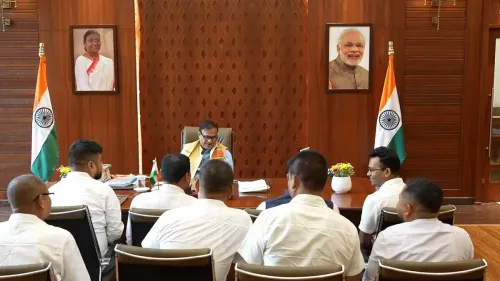
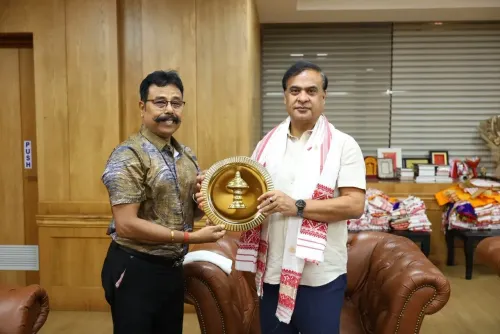
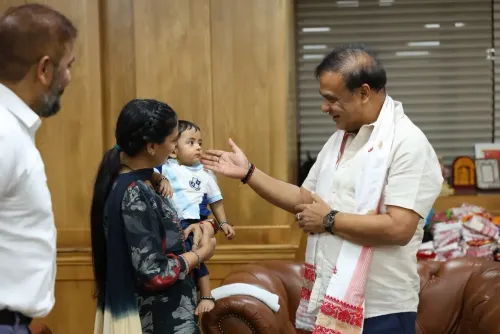
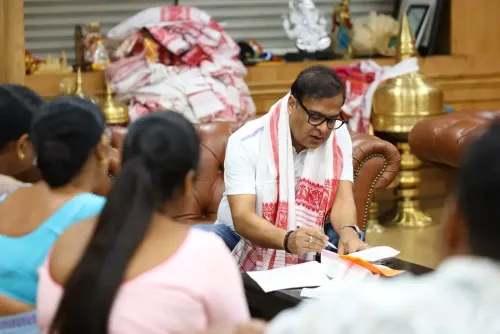
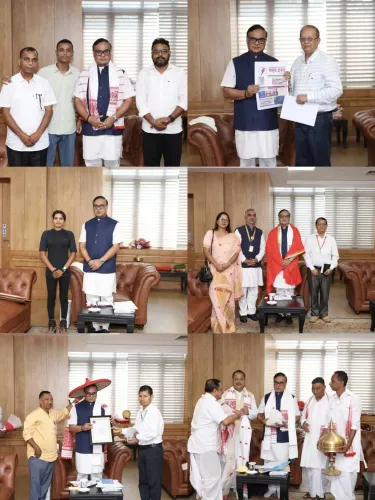
Posting on X with four photographs from the meeting, Sarma wrote: 'My office is incomplete without meeting the people it exists to serve. Today too, I met citizens and heard their concerns and feedback, and took note of the issues they raised.' The statement frames direct citizen outreach not as an occasional gesture but as a routine and essential function of his administration.
Such open-door meetings have been a visible feature of Sarma's governance style since he assumed office in May 2021. The Chief Minister has consistently positioned personal accessibility as a defining commitment of his tenure.
Policy Backdrop
When Himanta Biswa Sarma took charge as Chief Minister of Assam, he publicly committed to direct citizen outreach and grievance redressal as core pillars of his administration. This approach aligns with a broader pattern across BJP-governed states, where chief ministers use both in-person meetings and social media to project responsive, people-centric governance.
In the Northeast, such outreach carries added significance. Assam, a state of over 35 million people bordering Bangladesh, Bhutan, and Myanmar, faces a complex mix of development challenges, border sensitivities, and regional aspirations that often surface through individual citizen grievances.
Stakeholders and Impact
For ordinary citizens of Assam, direct access to the Chief Minister's office represents a rare opportunity to bypass bureaucratic layers and place concerns on record at the highest level. Local communities — particularly those from districts outside Guwahati — often travel to the state capital specifically for such meetings.
The Bharatiya Janata Party, which has governed Assam since 2016, has made 'good governance' a central electoral and administrative narrative. Public grievance sessions reinforce that narrative and serve as informal feedback loops for the administration ahead of any legislative or policy action.
What's Next
The concerns noted by Chief Minister Sarma in today's meeting are expected to be routed through existing state grievance-redressal mechanisms or addressed via relevant departments. Resolutions of substance may surface in the next Assam Legislative Assembly session or through state scheme notifications. Observers will watch whether specific categories of grievances — development, land, or welfare-related — emerge as recurring themes in the Chief Minister's public communications in the weeks ahead.
Point of View
Direct outreach also functions as an informal intelligence-gathering exercise, surfacing ground-level concerns before they escalate. For the BJP, which has staked its Northeast strategy on the 'good governance' plank, such visible gestures reinforce the party's administrative credibility ahead of future electoral cycles. The consistency of this practice — and its amplification on social media — suggests it is as much a communications strategy as it is a governance mechanism.
NationPress
3 Oct 2026
Frequently Asked Questions
Does Himanta Biswa Sarma regularly meet citizens at his office?
Yes, Chief Minister Himanta Biswa Sarma has made direct citizen meetings a regular feature of his administration since taking office in May 2021, framing personal outreach as a core governance commitment.
What happens to grievances raised at the Assam CM's citizen meetings?
Issues noted during such meetings are typically routed through state grievance-redressal mechanisms or relevant departments, and may be addressed through existing schemes or in the Assam Legislative Assembly.
When did Himanta Biswa Sarma become Chief Minister of Assam?
Himanta Biswa Sarma became Chief Minister of Assam in May 2021 after the BJP-led alliance won the state assembly elections.
What is NEDA and what is Sarma's role in it?
NEDA stands for the North-East Democratic Alliance, a coalition of BJP and allied regional parties in the Northeast. Himanta Biswa Sarma serves as its convenor.
How can Assam citizens raise grievances with the Chief Minister's office?
Citizens can approach the Chief Minister's office directly during scheduled public-meeting sessions, or use the state government's official grievance-redressal portals and mechanisms.