CM Himanta Seeks Public Pulse in Grassroots Outreach
Synopsis
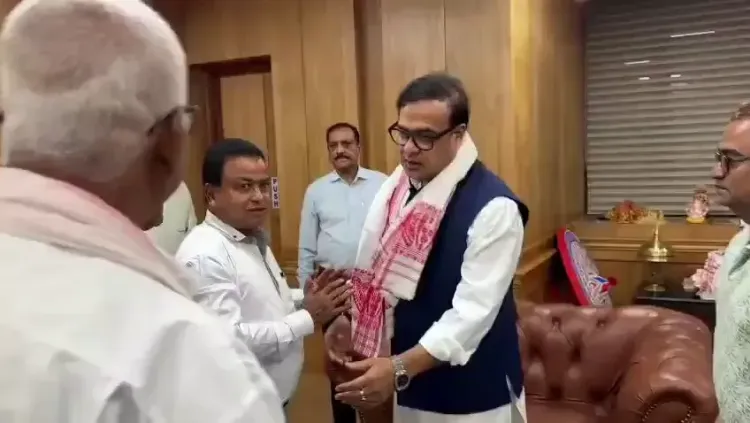
Assam Chief Minister Himanta Biswa Sarma on 17 June 2026 posted on X about an informal evening interaction with citizens from diverse walks of life, calling public faith the greatest inspiration in governance and reaffirming his commitment to working harder for Assam.
Key Takeaways
Assam Chief Minister Himanta Biswa Sarma conducted an informal public interaction on the evening of 16 June 2026 , a day before his post.
The Chief Minister described Janata Janardan — the people as sovereign — as 'the greatest source of inspiration in public life.' Participants came from 'different walks of life,' making it a cross-section outreach rather than a targeted stakeholder meeting.
Sarma has led the BJP government in Assam since May 2021 , with direct public engagement as a stated governance pillar.
No specific policy announcement was attached to the interaction; it was framed as a listening and feedback exercise.
As NEDA convenor, Sarma 's public-trust messaging carries weight beyond Assam across the Northeast .
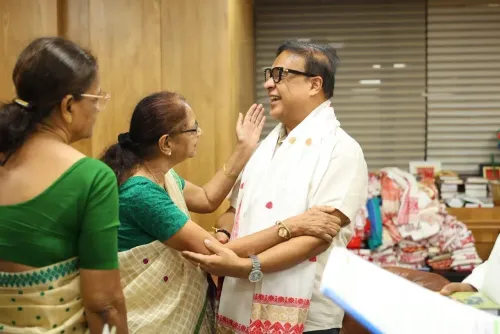
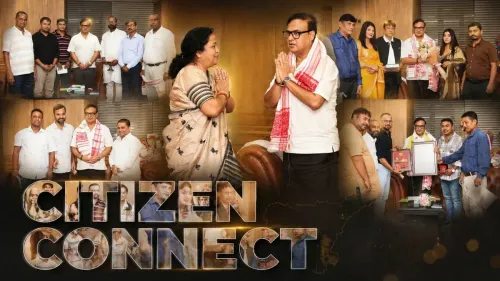
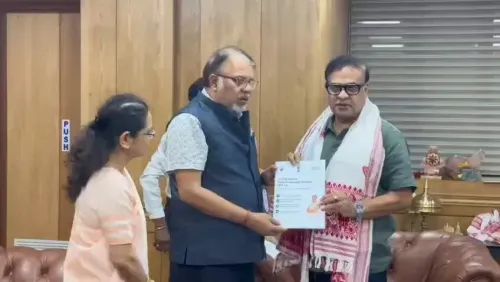
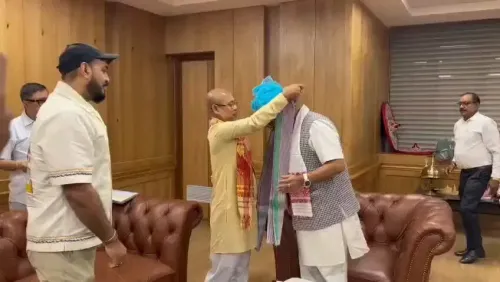
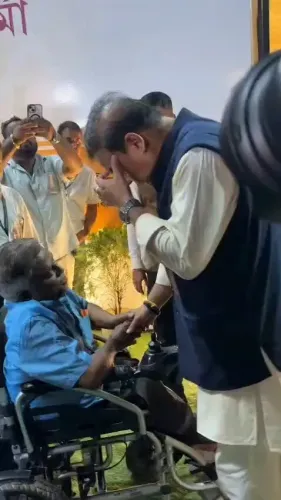
Assam Chief Minister Himanta Biswa Sarma on Wednesday, 17 June 2026, reflected on an informal public interaction he held the previous evening, describing the exercise as a source of renewed resolve to serve Assam. Posting on X, the Chief Minister said the blessings and guidance of the people — invoking the phrase Janata Janardan (the public as divine) — remain the greatest inspiration in public life.
Context
Sarma wrote that he 'spent time with people from different walks of life, listening to their aspirations and suggestions,' adding that 'their faith gives us the strength to work harder for Assam.' The phrase Janata Janardan — a Sanskrit-rooted expression casting the citizenry as the ultimate sovereign — is a recurring motif in Indian political discourse, used to signal democratic accountability and humility before the electorate.
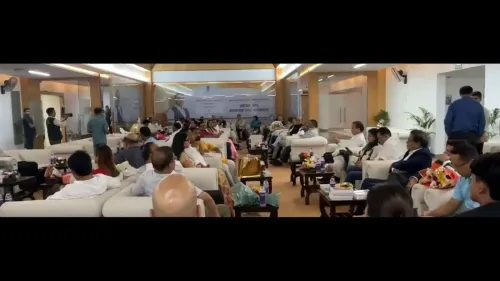
The interaction, described as taking place 'last night,' brought together residents cutting across professional and social backgrounds. No specific policy announcements were attached to the engagement, framing it as a listening exercise rather than a programme launch.
Policy Backdrop
Sarma has helmed the BJP-led government in Assam since May 2021, building a governance style that combines direct public outreach with administrative assertiveness on development and security issues in the Northeast. Informal grassroots interactions — sometimes called 'jan sampark' or public-contact programmes — are a well-established practice across the Indian political spectrum, used to gauge ground-level sentiment between elections.
As convenor of the North-East Democratic Alliance (NEDA), Sarma also operates at a regional level beyond Assam, making public-trust signalling relevant to a wider constituency of northeastern states. Such outreach exercises often precede district-level review meetings or feed into budget and scheme deliberations.
Stakeholders and Impact
For ordinary Assam residents, the Chief Minister's stated willingness to listen carries significance in a state where aspirations around employment, flood management, and infrastructure remain prominent. Citizens who participated in the interaction represent the immediate stakeholder group, though the broader public stands to benefit if suggestions translate into administrative action.
Political observers note that such engagements also serve to reinforce the governing party's connect with voters at a time when state governments across India are under pressure to demonstrate responsive governance. The post's tone — emphasising faith, inspiration, and service — is consistent with the Chief Minister's public communication style.
What's Next
Follow-up signals to watch include district-level meetings, assembly statements, or scheme announcements where citizen suggestions gathered during interactions like this one may be formally acknowledged or acted upon. Sarma's administration has previously used public feedback exercises to calibrate welfare delivery and security priorities in the region. Whether the 17 June interaction produces specific policy outcomes will become clearer in the coming weeks through official government communications.
Point of View
A framing that insulates the administration from criticism by foregrounding accountability. Grassroots listening exercises, while routine across Indian politics, gain added weight in Assam given the state's complex social fabric and ongoing development demands. For Sarma, who doubles as NEDA convenor, projecting a people-first image also serves a regional political function, reinforcing BJP's credibility in the Northeast ahead of future electoral cycles. The absence of any specific policy output from this interaction is worth monitoring — the real test is whether citizen suggestions surface in formal government action.
NationPress
18 Sept 2026
Frequently Asked Questions
What did Assam CM Himanta Biswa Sarma say about public outreach on 17 June 2026?
He posted on X that he spent the previous evening with people from different walks of life, listening to their aspirations and suggestions, and described public faith as the greatest source of inspiration in his work for Assam.
What does Janata Janardan mean?
Janata Janardan is a Sanskrit-rooted phrase meaning the public as the divine sovereign — it is used in Indian political discourse to express that the people are the ultimate authority and source of legitimacy for elected leaders.
How long has Himanta Biswa Sarma been Chief Minister of Assam?
Himanta Biswa Sarma has been Chief Minister of Assam since May 2021 , leading a BJP -led government in the state.
What is NEDA and what is Sarma's role in it?
The North-East Democratic Alliance (NEDA) is a political alliance of parties in India's northeastern states aligned with the BJP . Himanta Biswa Sarma serves as its convenor, giving him influence across the wider Northeast region.
Do Indian chief ministers regularly hold public interaction sessions?
Yes, informal public-contact programmes are a well-established practice across Indian political parties. Chief ministers use them to gather grassroots feedback, gauge public sentiment, and demonstrate administrative responsiveness between elections.