CM Himanta Stresses Public Outreach to Shape Assam Policy
Synopsis
Assam Chief Minister Himanta Biswa Sarma on 24 June 2026 reaffirmed that direct interaction with citizens is essential for understanding ground-level issues and shaping effective state policies, invoking the concept of Janta Janardhan — the people as the ultimate sovereign in governance.
Key Takeaways
CM Himanta Biswa Sarma on 24 June 2026 publicly reaffirmed citizen engagement as a core governance tool for Assam .
He stated that public interactions help the government 'gauge the pulse' of citizens and identify ground-level issues.
The phrase Janta Janardhan was used to frame citizens as the ultimate beneficiaries and drivers of state policy.
The statement aligns with a broader BJP -led north-east governance philosophy of direct public connect, active since 2016 .
As NEDA convenor, Sarma's citizen-first governance articulation carries regional significance across north-eastern states.
Future Assam government scheme announcements and grievance mechanisms will be watched as indicators of follow-through.
Assam Chief Minister Himanta Biswa Sarma on Wednesday, 24 June 2026, underscored the importance of direct citizen engagement as a tool for gauging grassroots issues and crafting responsive governance solutions for the people of Assam.
Context
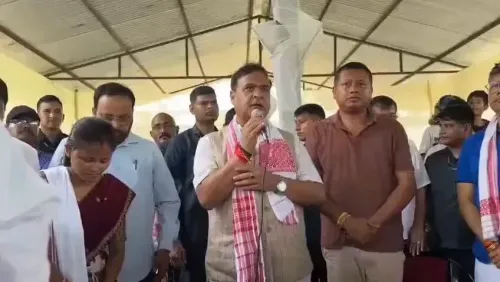
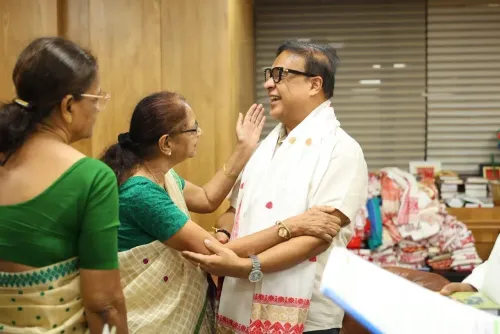
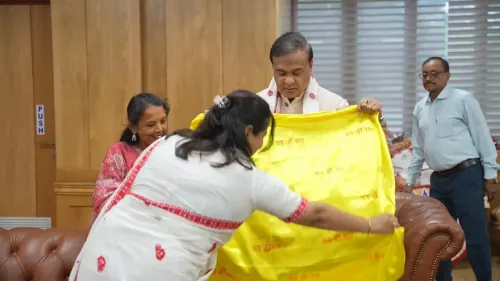
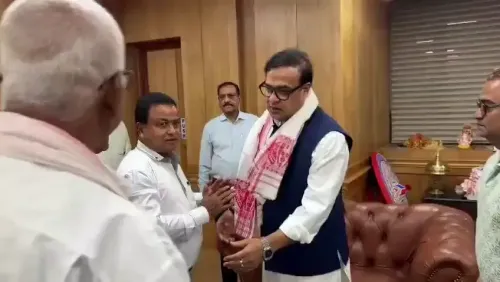
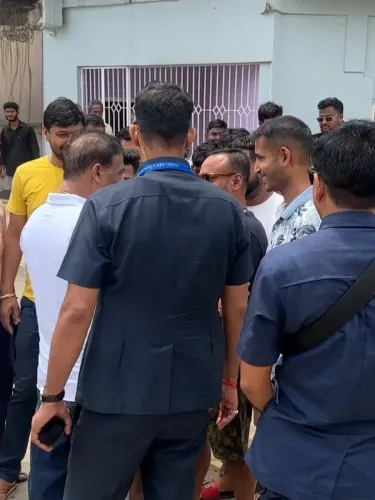
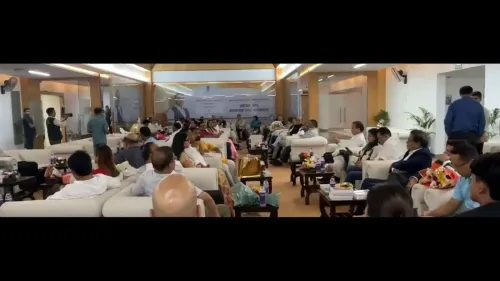
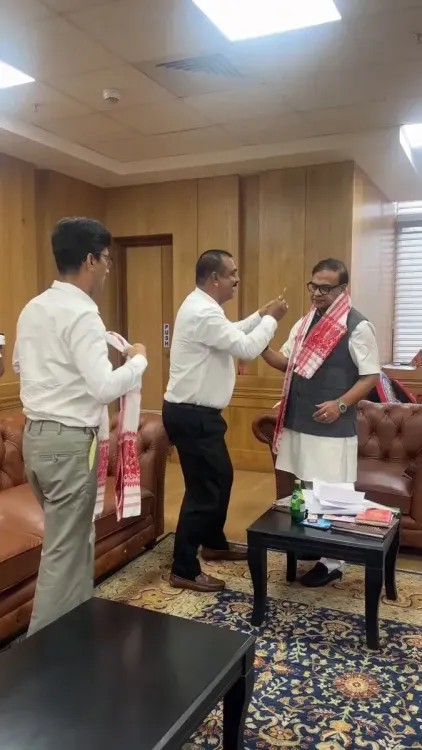
Sharing his perspective on public outreach, CM Sarma wrote: 'Interacting with the people helps us gauge their pulse and the ground level issues in the State, which assists us in shaping policies and solutions for Janta Janardhan [the common people].' The statement was accompanied by a video, reflecting the Chief Minister's ongoing emphasis on field-level connect with citizens across Assam.
The phrase Janta Janardhan — a Sanskrit-rooted expression meaning 'the people as the supreme sovereign' — signals a philosophy that positions citizens as the ultimate authority whom governance must serve. Its use by Sarma frames public interaction not as ceremonial outreach but as a policy intelligence exercise.
Policy Backdrop
Since assuming office in May 2021, Chief Minister Sarma has built a governance style marked by visible public presence, frequent district visits, and direct engagement with communities across Assam's diverse regions. This approach mirrors a broader trend among BJP-led governments in the north-east, where direct citizen connect has been positioned as a core administrative philosophy since 2016.
State chief ministers across India have historically used jan sampark [public contact] programmes, yatras, and grievance camps to collect grassroots feedback. For Assam — a state navigating issues ranging from flood management and land rights to employment and infrastructure — ground-level inputs carry particular weight in shaping annual policy priorities and budget allocations.
As convenor of the North-East Democratic Alliance (NEDA), Sarma also influences governance conversations across multiple north-eastern states, giving his articulation of citizen-first policy-making a regional resonance beyond Assam's borders.
Stakeholders and Impact
The primary beneficiaries of this outreach-driven governance model are Assam's citizens, particularly those in rural and semi-urban areas whose concerns may not surface through formal administrative channels. Direct interaction allows the government to identify gaps in scheme delivery, infrastructure deficits, and community-specific needs that data alone may not capture.
Civil society groups and local governance bodies in Assam have long advocated for participatory policy-making. Statements such as this signal an intent — at the highest level of the state government — to keep public feedback loops active and institutionalised rather than episodic.
What's Next
Observers will watch for concrete follow-through in the form of new state schemes, grievance redressal mechanisms, or policy announcements that the Assam government links explicitly to citizen feedback gathered during such interactions. The Chief Minister's emphasis on translating public pulse into actionable solutions sets an expectation for visible, community-responsive governance outcomes in the months ahead.
Point of View
He frames citizen outreach not as political optics but as a policy intelligence mechanism — a distinction that matters in a state with complex socio-ethnic dynamics. This aligns with the BJP's broader north-east strategy of positioning its governments as accessible and community-rooted, differentiating from predecessor administrations. The real test, however, will be whether specific policy announcements in the coming months can be traced back to these ground-level interactions.
NationPress
23 Sept 2026
Frequently Asked Questions
Why does Assam CM Himanta Biswa Sarma interact with the public?
CM Himanta Biswa Sarma has stated that direct public interaction helps him gauge citizens' ground-level concerns, which then informs the shaping of state policies and solutions for the people of Assam.
What does Janta Janardhan mean?
Janta Janardhan is a Sanskrit-rooted expression meaning 'the people as the supreme sovereign.' CM Sarma used it to convey that citizens are the ultimate authority whom governance must serve.
What is Himanta Biswa Sarma's governance style in Assam?
Since becoming Chief Minister in May 2021 , Sarma has emphasised visible public presence, district visits, and direct citizen engagement as central to his administration's approach to policy-making in Assam.
What is NEDA and what is Himanta Biswa Sarma's role in it?
NEDA stands for the North-East Democratic Alliance, a coalition of BJP and allied parties across north-eastern states. Himanta Biswa Sarma serves as its convenor, giving him influence over regional governance conversations beyond Assam.
What policy outcomes can be expected from Assam CM's public outreach?
Observers expect future Assam government announcements — such as new state schemes or grievance redressal mechanisms — to reflect the citizen feedback gathered through CM Sarma's public interactions.