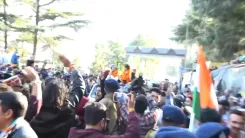
CM Himanta Meets Public, Seeks Feedback for Assam Govt Third Term
Synopsis
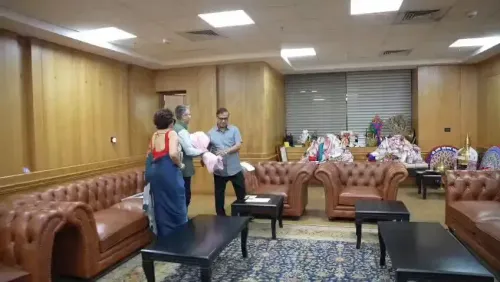
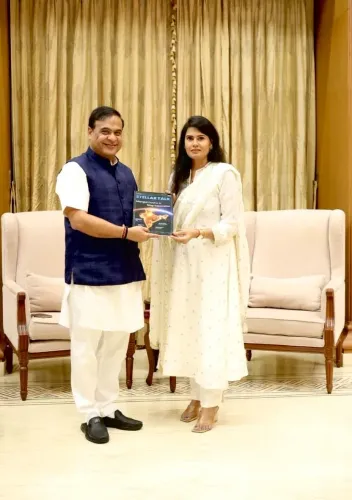
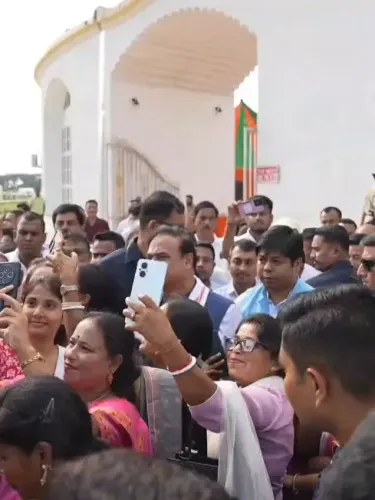
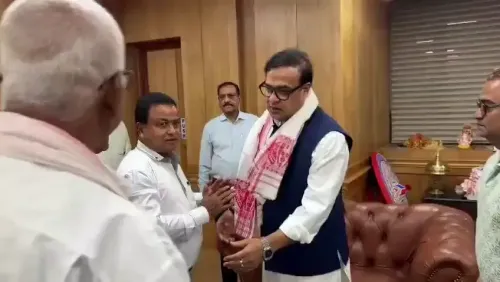
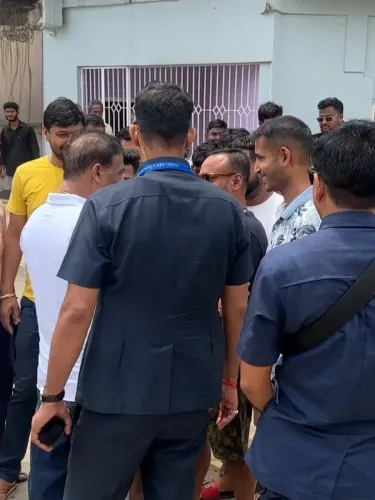
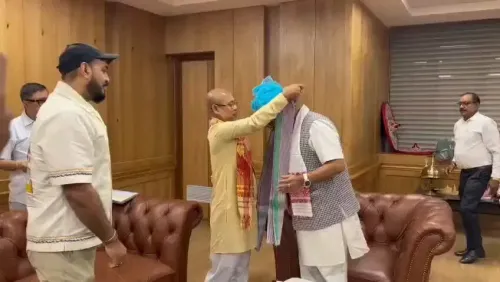
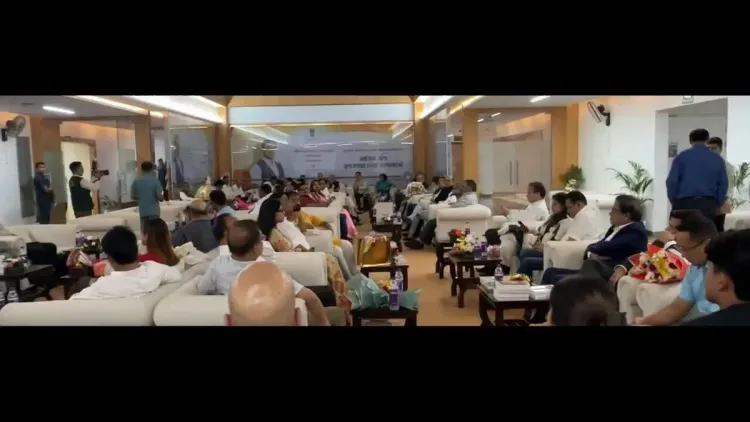
Assam Chief Minister Himanta Biswa Sarma met residents from diverse backgrounds at his office late on 29 May 2026, listening to public concerns and reaffirming his government's commitment to incorporating citizen feedback as it continues its third term in power.
Key Takeaways
Assam CM Himanta Biswa Sarma held an open-door public meeting at his office on the night of 29 May 2026 .
Residents from 'various walks of life' attended, sharing views and extending best wishes for the government's third term .
Sarma invoked the phrase 'Janta Janardan' — the public as sovereign — underscoring the meeting's grassroots character.
The BJP has governed Assam continuously since 2016 , with Sarma serving as Chief Minister since 2021 .
Public suggestions from such sessions are expected to feed into upcoming Assam Legislative Assembly proceedings and budget planning.
Assam Chief Minister Himanta Biswa Sarma held an open-door public meeting at his office on the night of Friday, 29 May 2026, receiving residents from diverse backgrounds and listening to their concerns and suggestions for his government's ongoing third term.
Context
Sarma shared details of the evening on social media, writing that he 'met people from various walks of life' and 'listened to the views of our Janta Janardan' — a phrase meaning the public as the ultimate sovereign — while receiving their 'blessings and best wishes' for the government's third term. He added that his administration would 'keep working for the people, taking their suggestions along.'
The meeting reflects a pattern of direct public outreach that has been a recurring feature of the BJP-led Assam government since it first came to power in 2016. Such informal access sessions allow residents to raise constituency-level concerns outside formal bureaucratic channels.
Policy Backdrop
The BJP formed its first government in Assam after the 2016 assembly elections, ending a decade and a half of Congress rule in the state. The alliance secured a second consecutive term in the 2021 Assam assembly elections, with Sarma taking over as Chief Minister that year.
Sarma also serves as the convenor of the North-East Democratic Alliance (NEDA), a regional political platform that coordinates BJP-aligned parties across the Northeast on issues ranging from security to infrastructure and welfare delivery. This broader regional role has reinforced his practice of maintaining close public contact at the state level as well.
Stakeholders and Impact
The primary beneficiaries of such open-door sessions are Assam residents who seek direct access to the Chief Minister's office — particularly those from smaller towns and rural constituencies who may have limited reach through formal administrative routes. Feedback gathered in such meetings has, in the past, fed into policy adjustments at the state level.
For the ruling BJP in Assam, these sessions serve a dual purpose: gathering ground-level intelligence on governance gaps and reinforcing the image of an accessible administration. The practice also signals continuity of approach as the government enters a new term.
What's Next
Observers will watch whether suggestions gathered during this and similar outreach sessions are reflected in the state's upcoming budget proposals or the agenda of the next Assam Legislative Assembly session. Sarma's explicit commitment to 'taking their suggestions along' sets a public benchmark against which the administration's responsiveness will be measured in the months ahead.
Point of View
He pre-emptively ties policy decisions to popular sanction, a useful insulation against future criticism. The explicit reference to 'blessings and best wishes' also signals an effort to consolidate goodwill at the start of a new term, when political capital is highest. Within the NEDA framework, such grassroots connect at the state level complements Sarma's broader role as a regional alliance manager.
NationPress
26 Oct 2026
Frequently Asked Questions
Why did Himanta Biswa Sarma hold a public meeting at his office?
Sarma held the meeting to listen directly to residents from various backgrounds, receive their suggestions for governance, and maintain public connect at the start of his government's third term in Assam.
What is 'Janta Janardan' that Himanta Biswa Sarma referred to?
'Janta Janardan' is a Hindi phrase meaning the people as the ultimate sovereign or supreme authority — Sarma used it to describe the citizens who visited his office and whose views he sought.
How long has the BJP been in power in Assam?
The BJP-led alliance has governed Assam continuously since the 2016 assembly elections , with Himanta Biswa Sarma serving as Chief Minister since 2021 .
What is NEDA and what is Himanta Biswa Sarma's role in it?
The North-East Democratic Alliance (NEDA) is a BJP-aligned regional political platform spanning Northeast India. Sarma serves as its convenor, coordinating member parties on security, infrastructure and welfare issues.
How do public suggestions given to Assam CM affect government policy?
Feedback from such open-door sessions has historically informed adjustments in state budget priorities and legislative agenda items in the Assam assembly, though formal incorporation depends on subsequent government decisions.