CM Himanta Holds Late-Night Public Feedback Meet in Assam
Synopsis
Assam Chief Minister Himanta Biswa Sarma held a late-night feedback session with citizens at his office on 13 June 2026, stating that such public inputs are a decisive factor in shaping the state's policies. The meeting reflects the BJP-led government's emphasis on direct public outreach as a governance tool.
Key Takeaways
CM Himanta Biswa Sarma met citizens from 'different walks of life' at his office on the night of 13 June 2026 .
The Chief Minister described public feedback as a 'decisive factor' in shaping state government policies.
The meeting is part of an ongoing direct-outreach practice under the BJP -led Assam government, in power since 2016 .
Sarma has served as Chief Minister since May 2021 and also convenes the North-East Democratic Alliance (NEDA) .
Policy watchers will monitor subsequent Assam government announcements for changes traceable to such citizen consultations.
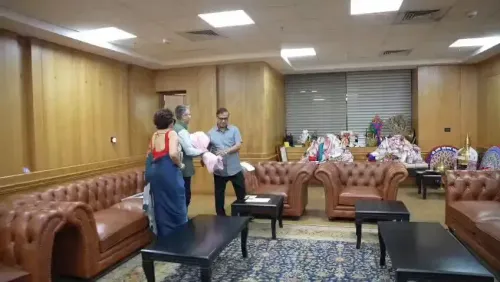
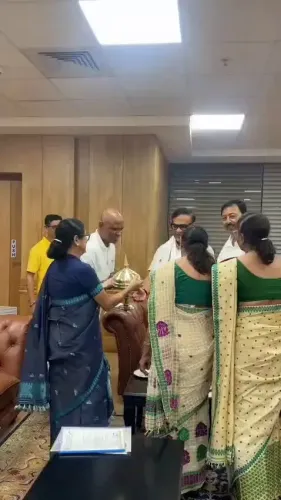
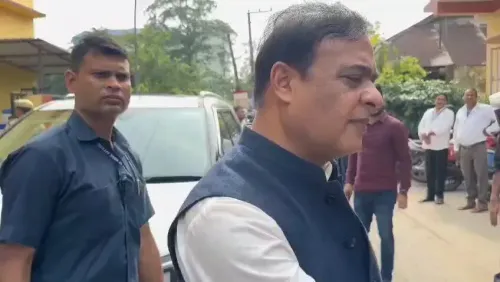
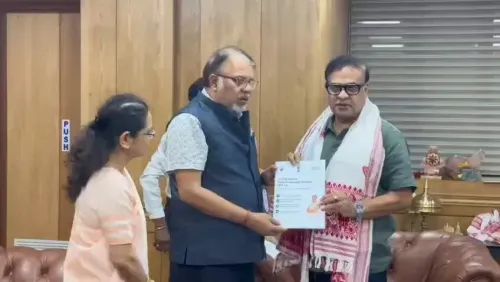
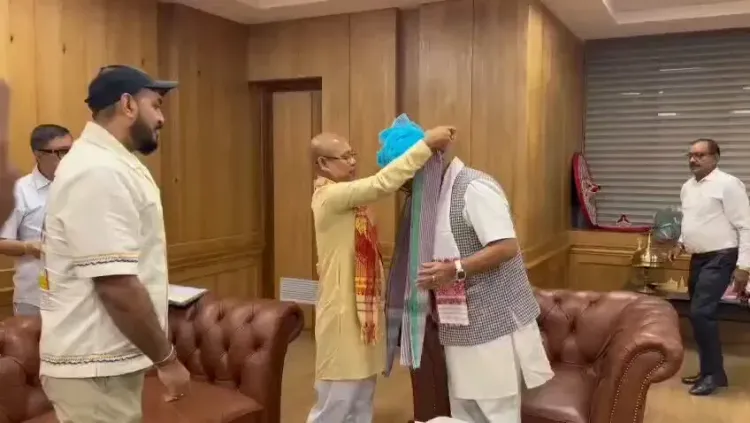
Assam Chief Minister Himanta Biswa Sarma held a late-night meeting at his office on Saturday, 13 June 2026, receiving feedback from citizens across diverse sections of society. The Chief Minister described the session as part of an ongoing practice of direct public engagement that informs state policy decisions.
Context
Posting on Sunday, 14 June 2026, CM Sarma wrote that people from 'different walks of life' visited his office and shared their views on 'various matters.' He added that 'these constant feedbacks act as a decisive factor in shaping up our policies for the people,' underlining the administration's stated commitment to ground-level consultation.
The meeting is part of a broader culture of open-door governance that Sarma has cultivated since taking charge as Chief Minister in May 2021. Such sessions allow citizens, civil society representatives, and community leaders to raise concerns directly with the top executive, bypassing formal bureaucratic channels.
Policy Backdrop
The BJP-led government in Assam has governed the state since 2016 and secured a second consecutive term in 2021. During this period, the administration has placed emphasis on welfare scheme delivery, infrastructure development, and direct public outreach as pillars of its governance model.
Indian chief ministers across party lines routinely conduct office-based public hearings and 'jan sunwai' sessions as a mechanism of responsive governance. In Assam, this practice has been aligned with the state's push to implement both central and state-sponsored welfare schemes efficiently at the grassroots level.
CM Sarma also serves as convenor of the North-East Democratic Alliance (NEDA), a coalition platform that coordinates BJP and allied governance across several northeastern states, amplifying the significance of his administrative signals beyond Assam alone.
Stakeholders and Impact
The primary beneficiaries of such feedback mechanisms are Assam's residents, who gain a direct channel to the Chief Minister's office outside of electoral cycles. Civil society groups, local community organisations, and citizens with grievances related to public services, land, welfare entitlements, or security concerns are among those who typically participate.
When feedback from such sessions translates into policy action, it can influence budget allocations, scheme modifications, or administrative directives at the district and block levels. The Chief Minister's framing of feedback as a 'decisive factor' signals an intent to institutionalise public input rather than treat it as a ceremonial exercise.
What's Next
Observers will watch for any subsequent announcements from the Assam government — including budget revisions, new scheme launches, or administrative orders — that cite public consultations as their basis. If the pattern of late-night outreach sessions continues, it may be formalised into a structured public engagement calendar ahead of the next state budget cycle. The practice also sets a benchmark for other NEDA-aligned administrations in the northeast on citizen-centric governance.
Point of View
Visible citizen engagement helps reinforce a narrative of 'people-first' governance ahead of the next electoral cycle. The emphasis on 'constant feedbacks' also signals an intent to contrast the administration's style with perceptions of bureaucratic distance. As convenor of NEDA, Sarma's governance signals carry weight beyond Assam, potentially influencing how allied northeastern governments frame their own public outreach.
NationPress
13 Sept 2026
Frequently Asked Questions
Why did Himanta Biswa Sarma hold a late-night meeting with citizens?
CM Sarma held the meeting to collect feedback from people across different sections of society, which he said acts as a decisive factor in shaping the Assam government's policies.
Who attended the feedback meeting at CM Himanta's office?
The Chief Minister described attendees as people from 'different walks of life,' though the specific identities or groups present have not been publicly disclosed.
How does public feedback influence Assam government policy?
According to CM Sarma, such feedback sessions directly inform policy decisions; observers watch for subsequent scheme modifications, budget changes, or administrative orders that cite public inputs.
What is NEDA and what is Himanta Biswa Sarma's role in it?
The North-East Democratic Alliance (NEDA) is a BJP-led coalition of parties governing several northeastern states. CM Sarma serves as its convenor, coordinating political and governance strategy across the region.
How long has the BJP been in power in Assam?
The BJP-led government has ruled Assam since 2016 and was re-elected in 2021, with Himanta Biswa Sarma becoming Chief Minister in May 2021.