CM Sai hails Raipur, Bilaspur, Bilha wins at Swachh Survekshan 2025-26
Synopsis
President Draupadi Murmu honoured Raipur, Bilaspur, and Bilha at the Swachh Survekshan Awards 2025-26. CM Vishnu Deo Sai called it a proud achievement for Chhattisgarh and credited PM Modi's guidance under the Swachh Bharat Mission framework for driving the state's cleanliness progress.
Key Takeaways
Three Chhattisgarh cities — Raipur, Bilaspur, and Bilha — received national recognition at the Swachh Survekshan Awards 2025-26.
President Draupadi Murmu presided over the awards ceremony on 12 November 2026 .
CM Vishnu Deo Sai credited PM Narendra Modi's guidance under the Swachh Bharat Mission for the state's performance.
Swachh Survekshan has ranked Indian cities on cleanliness parameters annually since 2016 .
Bilha's inclusion signals the cleanliness drive is extending to smaller, tier-three urban bodies in Chhattisgarh.
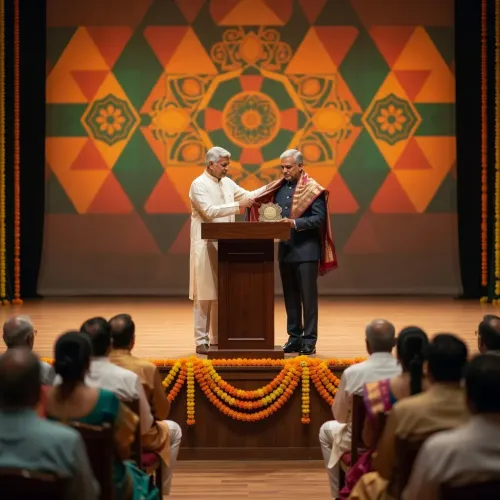
Three Chhattisgarh cities walked away with national recognition at the Swachh Survekshan Awards 2025-26 — and Chhattisgarh Chief Minister Vishnu Deo Sai wasted no time marking the moment. Raipur, Bilaspur, and the smaller urban body of Bilha were honoured at a national ceremony presided over by President Draupadi Murmu on 12 November 2026, placing Chhattisgarh on the cleanliness map for the year.
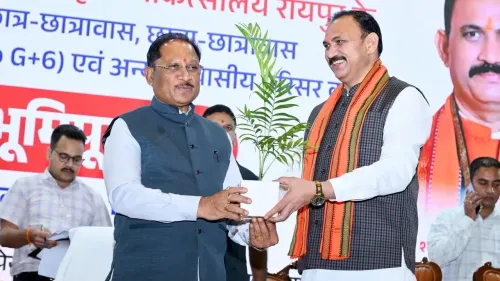
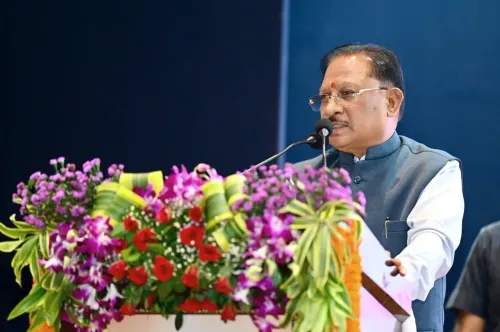
Posting in Hindi on X, CM Sai described the triple recognition as a 'gauravpurn uplabdhi' — a proud achievement — for the state. He wrote: 'The honouring of Chhattisgarh's three urban local bodies Raipur, Bilaspur and Bilha at the national level by the honourable President Smt. Draupadi Murmu Ji at the Swachh Survekshan Awards Ceremony 2025-26 is a matter of pride for the state.' He also credited Prime Minister Narendra Modi's guidance as the driving force behind the state's sanitation push.
From Raipur to Bilha — three cities, one national stage
Raipur, the state capital, and Bilaspur, Chhattisgarh's second-largest city, have been consistent participants in the Swachh Survekshan exercise since it was first rolled out in 2016 by the Ministry of Housing and Urban Affairs. The inclusion of Bilha — a comparatively smaller urban local body in Bilaspur district — signals that the competitive cleanliness drive is reaching beyond the major cities and into tier-three municipalities.
What Swachh Survekshan actually measures — and why states race for it
Launched as an annual ranking exercise under the broader Swachh Bharat Mission, which Prime Minister Narendra Modi unveiled in October 2014, Swachh Survekshan scores cities on parameters including solid waste processing, open defecation freedom, public feedback, and service-level benchmarks. The rankings have become a prestige contest among urban local bodies, with state governments using strong finishes as proof of governance delivery. Chief ministers — particularly from BJP-ruled states — routinely flag these results as evidence that the Centre's cleanliness framework is producing ground-level outcomes.
Chhattisgarh's sweep across three cities fits that pattern exactly. By publicly thanking both the President and the Prime Minister, CM Sai reinforces the dual credit loop that defines how centrally-sponsored missions are politically narrated: New Delhi sets the vision, the state executes, and the award ceremony is the shared dividend.
The road Chhattisgarh's cities have already travelled
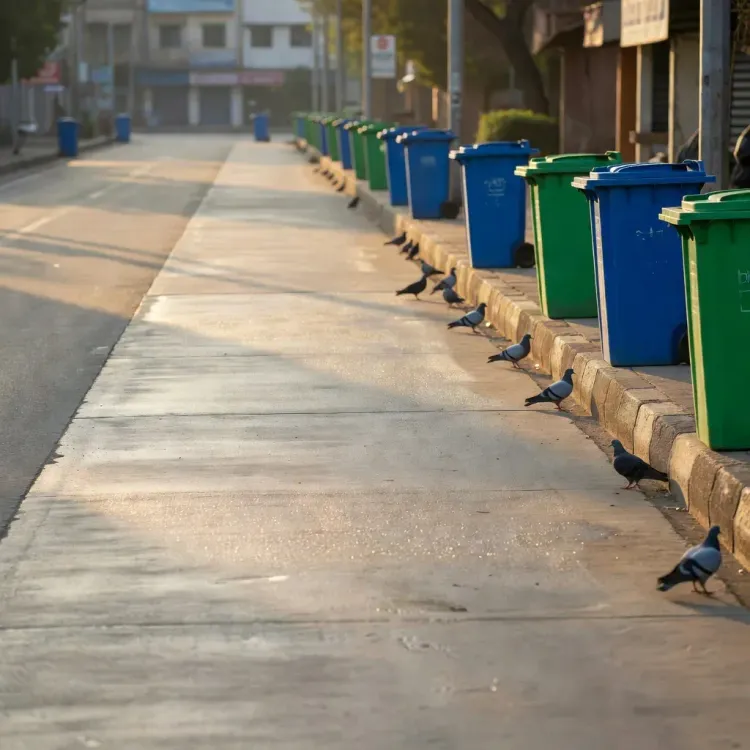
Urban sanitation in Chhattisgarh has historically lagged behind western Indian states that dominate the Swachh Survekshan upper tiers. Recognition for all three cities — across different city-size categories — suggests incremental but measurable progress in waste management and public hygiene infrastructure. The state government's next test will be whether the award-year performance translates into sustained budgetary and administrative attention to urban sanitation beyond the survey cycle.
Three cities on one national stage is a clean sweep worth watching — but in sanitation, every ranking is only as good as the city that wakes up and sweeps the street the morning after.
Point of View
Non-contentious win that cuts across voter segments. The pattern also reveals how Swachh Survekshan has evolved from a data exercise into a competitive governance incentive, with smaller urban bodies like Bilha now entering a contest historically dominated by large metros. The real policy question it raises is whether award-year performance is backed by sustained infrastructure investment, or whether it peaks around the survey window.
NationPress
12 Nov 2026
Frequently Asked Questions
Which cities from Chhattisgarh won Swachh Survekshan Awards 2025-26?
Raipur, Bilaspur, and Bilha — three urban local bodies from Chhattisgarh — were honoured at the Swachh Survekshan Awards 2025-26 ceremony presided over by President Draupadi Murmu.
What is Swachh Survekshan and who conducts it?
Swachh Survekshan is an annual cleanliness ranking exercise for Indian cities, conducted by the Ministry of Housing and Urban Affairs since 2016 under the Swachh Bharat Mission.
When was the Swachh Survekshan Awards 2025-26 ceremony held?
The ceremony was held on 12 November 2026 and was presided over by President Draupadi Murmu.
What did CM Vishnu Deo Sai say about the Swachh Survekshan recognition?
CM Sai described the national recognition of Raipur, Bilaspur, and Bilha as a proud achievement for Chhattisgarh and credited PM Narendra Modi's guidance for the state's cleanliness progress.
What is the Swachh Bharat Mission?
The Swachh Bharat Mission is a national sanitation campaign launched by PM Narendra Modi in October 2014 to eliminate open defecation and improve solid waste management across urban and rural India.