Trump White House Declares America Is 'Building Again'
Synopsis
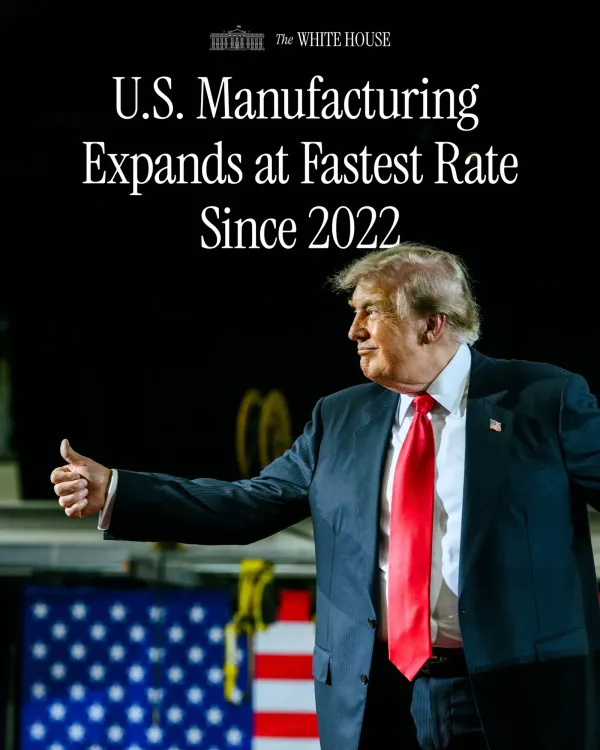
The White House declared on August 3, 2026, that President Trump is reversing years of outsourcing and industrial decline, pledging to bring back investment, create jobs, and revive Made in America manufacturing — a sharp economic-nationalist signal to global markets and trading partners.
Key Takeaways
The White House posted on August 3, 2026 that 'America is building again' under President Trump.
The post explicitly blamed 'years of outsourcing and industrial decline' for the economic conditions being reversed.
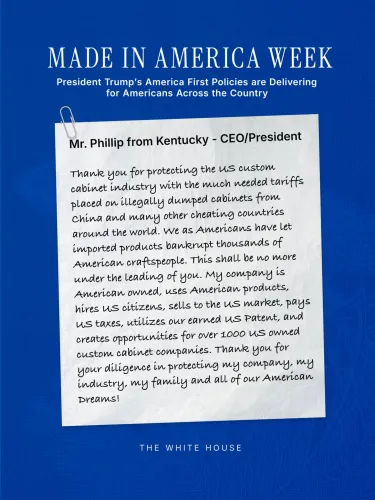
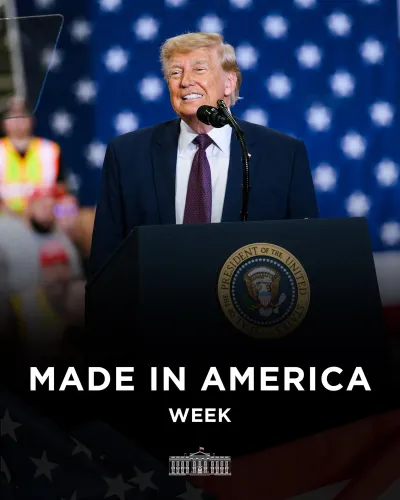
The administration is championing Made in America as the central frame for its manufacturing and investment agenda.
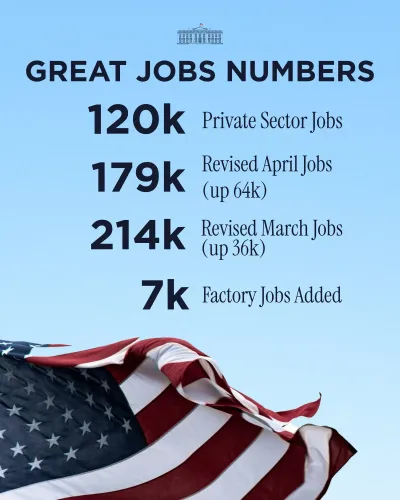
No specific legislation, executive order, or production figures were cited in the post.
The rhetoric signals continuity with Trump's first-term economic nationalism, with implications for US trade partners including India.
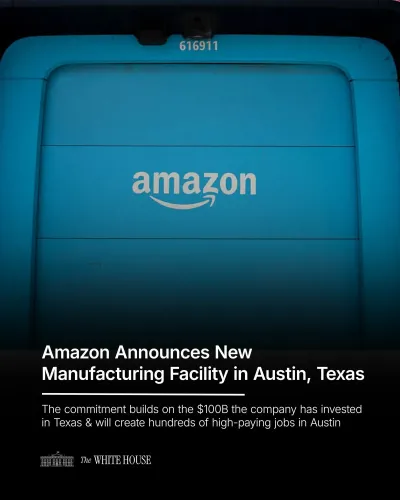
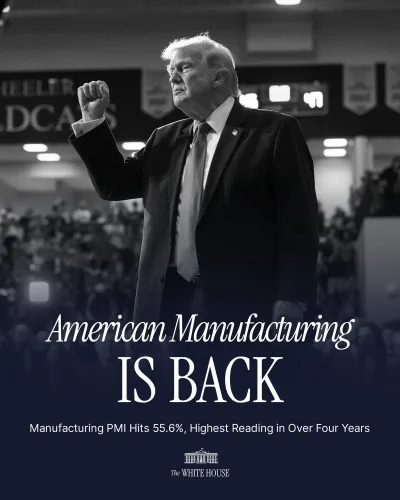
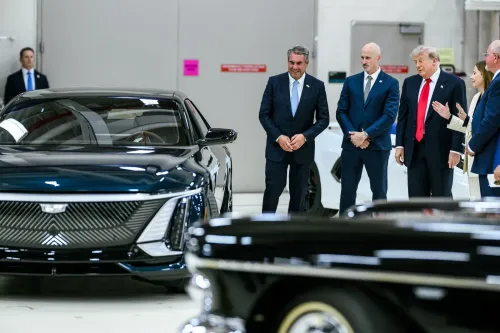
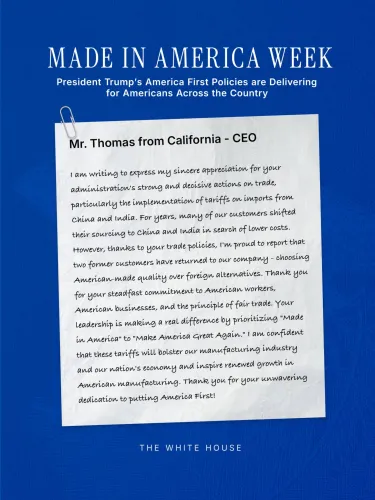
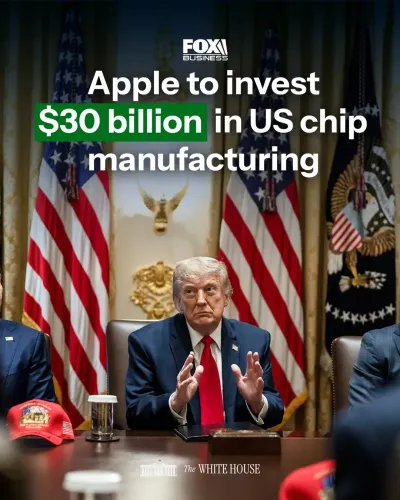
A declaration, not a press release. The White House posted on Monday, August 3, 2026, that President Donald Trump is reversing what it called 'years of outsourcing and industrial decline' — promising a return of investment, jobs, and domestic manufacturing under the banner of Made in America.
The 'Made in America' Push: What the White House Is Claiming
The post's language is pointed and deliberate: 'America is building again.' The White House framed the message as a direct repudiation of decades of offshoring, positioning the Trump administration as the agent of an industrial reversal. The phrase Made in America — capitalised and emphasised — signals a return to the economic nationalism that defined Trump's first-term trade agenda.
The post offered no specific legislation, executive order, or factory figure to anchor the claim. But the rhetoric itself is a policy signal: the administration is doubling down on reshoring as a core economic identity.
Why 'Outsourcing and Industrial Decline' Is the Chosen Frame
Invoking 'outsourcing' is a deliberate political choice. It places the blame for manufacturing losses on prior administrations — both Republican and Democratic — and positions tariffs, investment incentives, and domestic production mandates as corrective tools. This framing has deep roots in Trump's political brand, stretching back to his 2016 campaign, when trade deficits and factory closures in the American Midwest became the centrepiece of his pitch to working-class voters.
The 'building again' language also echoes infrastructure and industrial revival themes that have broad, bipartisan appeal — even as the policy mechanisms behind them remain contested.
What This Signals for US Trade and Investment Policy
Without specific data attached to the post, the announcement functions as a positioning statement rather than a policy rollout. Still, for global markets and trading partners — including India — the direction is clear: the Trump White House is committed to an America-first manufacturing doctrine, which carries implications for supply chains, tariff regimes, and foreign direct investment flows into the United States.
For Indian exporters and policymakers watching Washington, a sustained Made in America push could reshape the competitive landscape across sectors from pharmaceuticals to electronics.
The message from 1600 Pennsylvania Avenue is unambiguous: the industrial era is not over — it is, in their telling, just beginning again. Whether the numbers will match the narrative is the question every trading partner is now quietly running the math on.
Point of View
The brand IS the policy signal. By centering 'Made in America' and 'outsourcing reversal,' the administration is telegraphing that economic nationalism will remain the organising principle of its second-term trade and industrial agenda. For countries like India, which have deepened supply-chain ties with the US while also competing for manufacturing investment, this posture demands careful navigation. The absence of specific data in the post is itself notable: the White House is betting that the narrative of revival lands before the metrics are scrutinised.
NationPress
18 Sept 2026
Frequently Asked Questions
What did the White House post about Made in America on August 3, 2026?
The White House posted that 'America is building again,' claiming President Trump is reversing years of outsourcing and industrial decline by bringing back investment, creating jobs, and reviving Made in America manufacturing.
What is Trump's Made in America policy?
Made in America refers to the Trump administration's push to encourage domestic manufacturing, reduce dependence on foreign supply chains, and attract investment back to the United States through tariffs, incentives, and trade policy.
How does Trump's manufacturing revival affect India?
A sustained Made in America push could affect Indian exporters and supply chains, particularly in sectors like pharmaceuticals, electronics, and textiles, by redirecting investment and production back to the United States.
What did Trump say about outsourcing?
The White House post attributed America's industrial decline to 'years of outsourcing,' framing Trump's policies as a direct reversal of that trend.
Is the US economy growing under Trump in 2026?
The White House claims investment and jobs are returning under President Trump, though the August 3, 2026 post did not cite specific economic figures or legislation to support the assertion.