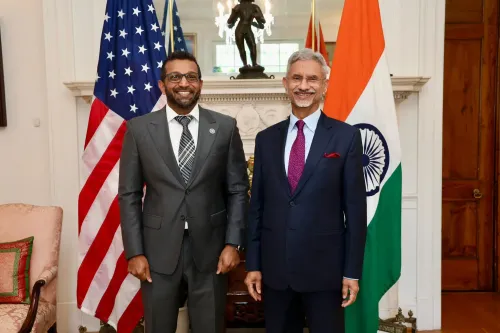
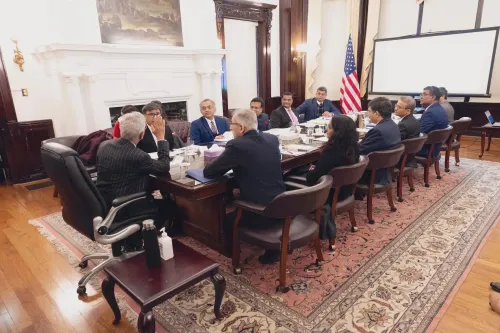
Jaishankar in Atlanta for India-US Consular Review
Synopsis
EAM Dr. S. Jaishankar met Indian Consuls General in Atlanta on November 1, 2026, for an in-depth review of India-US bilateral ties covering new initiatives in trade, innovation, education, and community outreach — reflecting the growing depth of the Comprehensive Global Strategic Partnership.
Key Takeaways
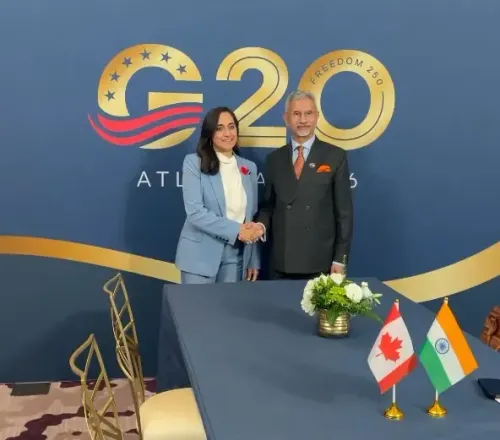
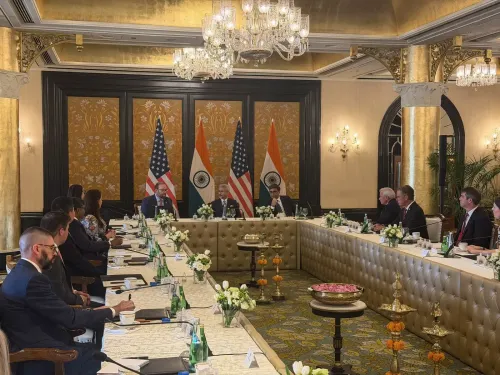
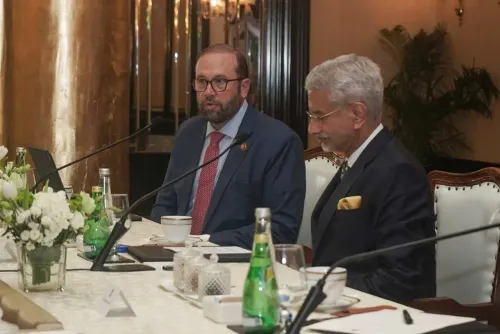
Jaishankar held a meeting with Indian Consuls General in the United States in Atlanta on November 1, 2026 .
Discussion covered new initiatives and platforms across trade, innovation, education, and community outreach .
Jaishankar described the talks as reflecting the 'breadth and depth' of India-US bilateral ties .
India-US ties are anchored in the Comprehensive Global Strategic Partnership formalised during PM Modi's 2019 US visit .
The US-India Trade Policy Forum , revived in 2021 , underpins structured bilateral economic dialogue.
Jaishankar previously served as India's Ambassador to the United States , lending deep institutional familiarity to the review.
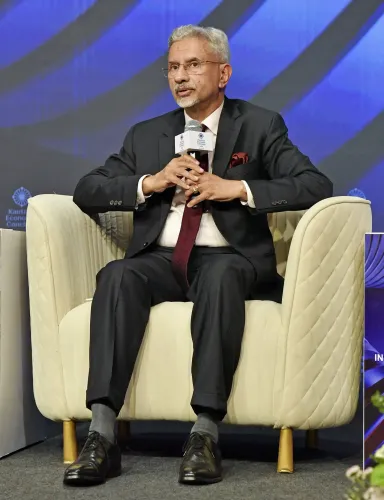
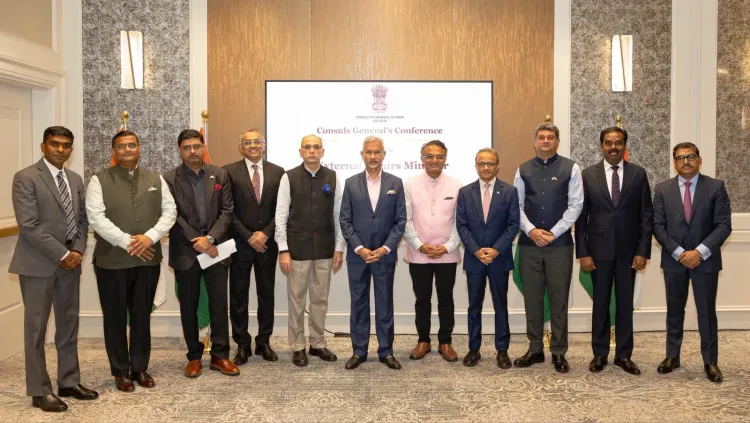
From Atlanta, Union External Affairs Minister Dr. S. Jaishankar convened an in-depth meeting with Indian Consuls General posted across the United States on Sunday, November 1, 2026 — pressing into the full sweep of bilateral ties spanning trade, innovation, education, and community outreach.
What the Atlanta Huddle Covered
Jaishankar said he was 'apprised of new initiatives and platforms' across multiple sectors — a signal that India's consular network in the US is actively generating and piloting programmes, not merely administering routine services. The minister described the discussion as reflecting the 'breadth and depth' of India-US ties, a phrase that carries deliberate diplomatic weight.
Indian Consuls General are stationed across major US cities and serve as the operational engine of the bilateral relationship at the ground level — facilitating trade linkages, supporting the Indian diaspora, managing academic partnerships, and connecting local business communities to opportunities in India.
The Strategic Foundation Behind the Meeting
The meeting sits within a well-established architecture. The India-US Comprehensive Global Strategic Partnership, formalised during Prime Minister Modi's 2019 visit to the United States, gave political sanction to exactly this kind of multi-sectoral expansion. The US-India Trade Policy Forum, revived in 2021, has since served as a key platform for structured bilateral economic dialogue.
Jaishankar himself served as India's Ambassador to the United States before becoming Foreign Secretary, giving him an unusually granular read of how the relationship functions at the consular and mission level. A review of this kind, led personally by the External Affairs Minister, signals that Delhi sees the consular network not as a back-office function but as a frontline instrument of strategic engagement.
Why the Diaspora and Innovation Angle Matters
The explicit mention of innovation and education alongside trade and community outreach is notable. Indian-origin professionals are deeply embedded in US technology, academia, and venture capital — sectors that increasingly intersect with India's own ambitions in semiconductors, space, and deep tech. Consular missions that can actively broker these connections translate geopolitical partnership into tangible economic output.
Watch for whether the 'new initiatives and platforms' flagged in Atlanta surface at the next India-US 2+2 ministerial or CEO Forum — those are the venues where mission-level ideas typically get elevated into formal bilateral commitments.
Point of View
Not just administrative outposts. The emphasis on innovation and education alongside trade suggests India is trying to institutionalise diaspora-driven economic linkages at the mission level, which is a relatively newer ambition within the bilateral framework. For a minister with his own ambassadorial tenure in Washington, the visit also carries credibility: he knows exactly what these missions can and cannot deliver. The timing, ahead of likely 2+2 and CEO Forum cycles, suggests Atlanta may be a ground-clearing exercise before larger bilateral moves.
NationPress
2 Nov 2026
Frequently Asked Questions
Why did Jaishankar meet Indian Consuls General in Atlanta?
Jaishankar convened the meeting to conduct an in-depth review of India-US bilateral ties and to be briefed on new initiatives and platforms being developed by Indian consular missions across the United States in areas including trade, innovation, education, and diaspora outreach.
What is India's strategic partnership status with the United States?
India and the United States share a Comprehensive Global Strategic Partnership , a designation formalised during Prime Minister Modi's 2019 visit to the US, covering cooperation in trade, defence, technology, education, and people-to-people ties.
What does the US-India Trade Policy Forum do?
The US-India Trade Policy Forum , revived in 2021, serves as the principal institutional platform for structured bilateral trade and investment dialogue between the two governments.
What is the role of Indian Consuls General in the United States?
Indian Consuls General head India's consular missions across US cities and are responsible for a wide range of functions including facilitating trade and business linkages, supporting the Indian diaspora, managing academic and cultural partnerships, and providing consular services to Indian nationals.
Has Jaishankar previously served in the United States?
Yes, Dr. S. Jaishankar served as India's Ambassador to the United States before becoming Foreign Secretary and subsequently Union External Affairs Minister in 2019, giving him direct institutional experience with the India-US relationship at the diplomatic mission level.