Jaishankar meets US Congressional delegation in Mumbai, discusses trade and Indo-Pacific ties
Synopsis
External Affairs Minister Jaishankar's back-to-back engagements in Mumbai — first with a five-member US Congressional delegation, then with Secretary of State Rubio — signal that India-US ties are being worked on every diplomatic track at once. With trade, energy, Indo-Pacific strategy, and the 26/11 memorial all on the itinerary, this is far more than a ceremonial visit.
Key Takeaways
Jaishankar met a US Congressional delegation in Mumbai on 20 October 2026 , covering trade, energy, security, and technology.
The delegation comprised Jason Smith , David Schweikert , Elise Stefanik , Andy Ogles , and Laura Friedman ; Foreign Secretary Vikram Misri was also present.
US Secretary of State Marco Rubio was scheduled to hold bilateral talks with Jaishankar in Mumbai the same day — his second official visit to India in 2026 .
Rubio will lay a wreath at the 26/11 memorial at the Taj Hotel and attend the 'Freedom 250' anniversary reception.
Rubio will also travel to Jamnagar, Gujarat for talks on enhanced energy cooperation and meet Maharashtra CM Devendra Fadnavis .
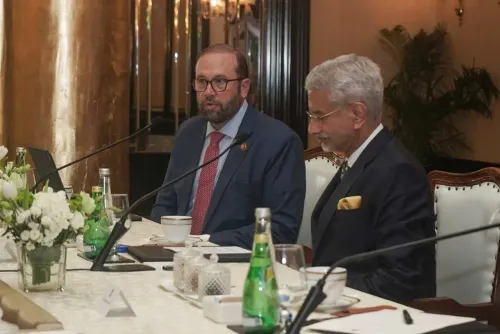
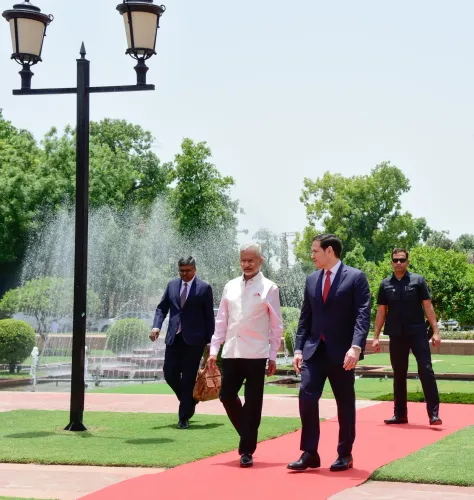
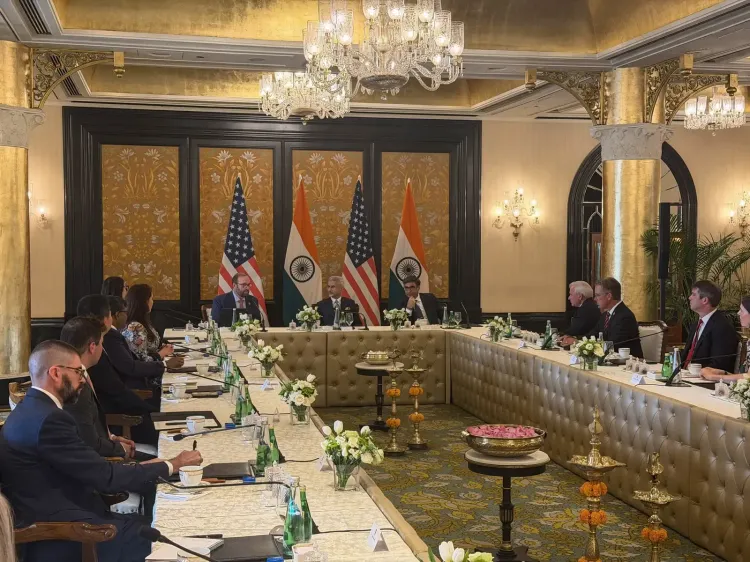
External Affairs Minister S. Jaishankar on Tuesday, 20 October met a US Congressional delegation in Mumbai, covering trade, energy, security, and technology dimensions of the India-US relationship, as Washington and New Delhi deepen their Comprehensive Global Strategic Partnership ahead of high-stakes bilateral talks later in the day.
Who Was in the Room
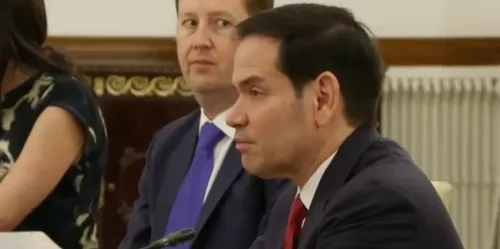
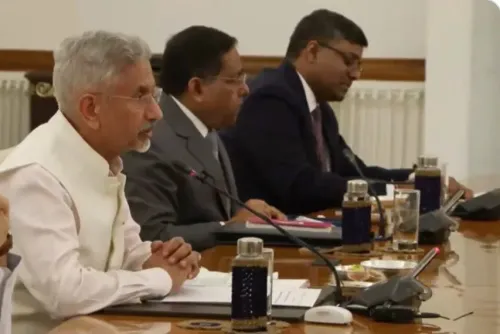
The Congressional delegation comprised Jason Smith, David Schweikert, Elise Stefanik, Andy Ogles, and Laura Friedman. Foreign Secretary Vikram Misri and other senior officials attended alongside Jaishankar.
'Pleased to meet US Congressional Delegation comprising Jason Smith, David Schweikert, Elise Stefanik, Andy Ogles and Laura Friedman in Mumbai today. Appreciate their positive sentiments and interest in taking forward India-US ties. Specifically discussed trade, energy, security and technology aspects of our relationship. Also spoke about ease of doing business in India, and deepening of our Indo-Pacific cooperation,' Jaishankar posted on X.
Key Agenda Items
The discussions spanned four broad pillars: trade and investment, energy cooperation, defence and security, and critical and emerging technologies. Ease of doing business in India and the deepening of Indo-Pacific cooperation were also raised, signalling alignment with Washington's broader strategic architecture in the region.
This comes amid intensifying US-India engagement on technology transfer, semiconductor supply chains, and clean energy — areas that have moved sharply up the bilateral agenda since the landmark iCET (Initiative on Critical and Emerging Technologies) framework was launched.
The Rubio Visit: What's on the Table
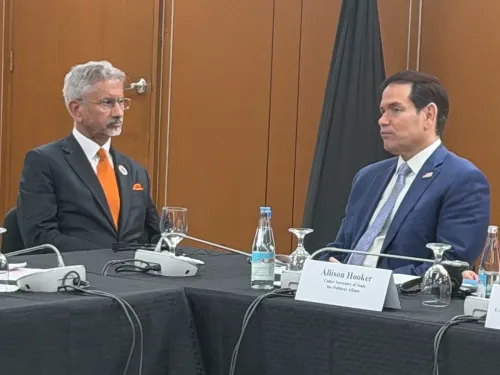
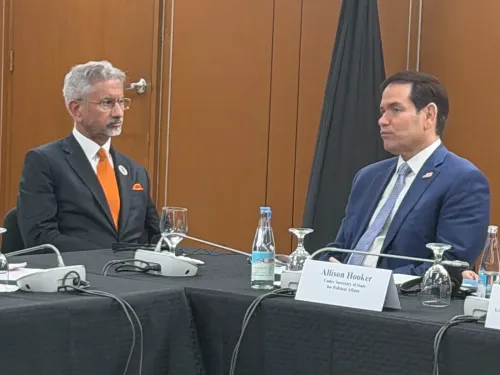
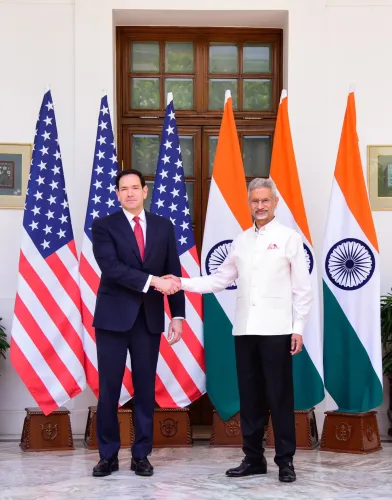
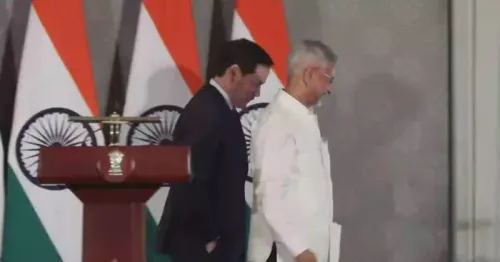
The Congressional meeting served as a prelude to a more consequential engagement: US Secretary of State Marco Rubio was scheduled to hold talks with Jaishankar in Mumbai later the same day. Rubio is also set to attend the 'Freedom 250' reception marking the 250th anniversary of US independence as a Guest of Honour.
According to Ministry of External Affairs (MEA) spokesperson Randhir Jaiswal, speaking at a media briefing in New Delhi on 16 October, the Jaishankar-Rubio discussions are expected to cover 'energy, trade, investment, defence, critical emerging technologies, and other areas of mutual interest.' The two sides are also set to exchange views on regional and global developments.
Notably, the US State Department confirmed this will be Rubio's second official visit to India this year, underscoring the elevated pace of high-level bilateral contact.
Rubio's Broader Itinerary
During his India visit, Rubio is scheduled to lay a wreath at the 26/11 memorial at the Taj Hotel in Mumbai — a gesture carrying symbolic weight given the terror attacks' enduring place in India-US counterterrorism cooperation. He is also expected to meet Maharashtra Chief Minister Devendra Fadnavis.
After Mumbai, Rubio will travel to Jamnagar, Gujarat, where talks will include 'enhanced energy cooperation', according to the State Department. He will also meet with business leaders to promote commercial investment and economic cooperation.
Why This Visit Matters
The Rubio visit arrives at a moment when India-US ties are navigating competing pressures — trade negotiations, defence procurement timelines, and the evolving geometry of the Indo-Pacific amid China's continued assertiveness. The symbolism of Jamnagar as a stop for energy talks is not incidental: it places Indian energy infrastructure and potential US investment directly in the diplomatic frame.
With the Jaishankar-Rubio meeting and the Congressional engagement occurring in parallel, New Delhi appears to be working both the executive and legislative tracks of US diplomacy simultaneously — a calibrated approach as India manages relationships across multiple global power centres.
Point of View
Implicitly, an ask. What remains to be watched is whether the trade conversation produces movement on the longstanding tariff disputes that have quietly strained the relationship, or whether the trip stays in the comfort zone of strategic platitudes that both sides are well-practised at issuing.
NationPress
20 Oct 2026
Frequently Asked Questions
What did EAM Jaishankar discuss with the US Congressional delegation in Mumbai?
Jaishankar discussed trade, energy, security, and technology aspects of the India-US relationship, as well as ease of doing business in India and Indo-Pacific cooperation. The meeting took place on 20 October in Mumbai and was attended by Foreign Secretary Vikram Misri.
Who were the members of the US Congressional delegation that met Jaishankar?
The delegation comprised Jason Smith, David Schweikert, Elise Stefanik, Andy Ogles, and Laura Friedman. Foreign Secretary Vikram Misri and other Indian officials were also present at the meeting.
Why is US Secretary of State Marco Rubio visiting India?
Rubio is visiting India to strengthen the US-India Comprehensive Global Strategic Partnership, hold bilateral talks with EAM Jaishankar, attend the 'Freedom 250' anniversary reception, and discuss enhanced energy cooperation in Jamnagar. The State Department confirmed it is his second official visit to India in 2026.
What is the significance of Rubio's stop in Jamnagar, Gujarat?
Rubio's visit to Jamnagar is specifically tied to discussions on enhanced energy cooperation, according to the US State Department. It signals that US-India energy collaboration is moving beyond policy frameworks into concrete geographic and commercial engagement.
What is the Comprehensive Global Strategic Partnership between India and the US?
It is the overarching framework governing India-US bilateral relations, covering defence, trade, energy, critical technologies, and Indo-Pacific strategy. MEA spokesperson Randhir Jaiswal described the Rubio visit as an opportunity to 'review India-US relations and discuss ways to further strengthen' this partnership.