Shivraj Singh Chouhan's Dussehra call: burn the evils, not just the effigy
Synopsis
On Vijayadashami 2026, Union Minister Shivraj Singh Chouhan posted a pointed message asking why India burns Ravana every year but not his evils — specifically calling out sexual violence against women and drug addiction — and urging a national pledge to end both.
Key Takeaways
Union Minister Shivraj Singh Chouhan posted a Vijayadashami message on 20 October 2026 connecting the festival's symbolism to real social evils.
He specifically named two issues: sexual violence against innocent girls and drug addiction , calling them living forms of Ravana.
Chouhan asked pointedly why the annual burning of Ravana's effigy has not extinguished the evils Ravana represents.
He called on all citizens to take a pledge this Dussehra to eliminate these social ills — framing it as the true defeat of Ravana.
The message reflects a broader pattern of Indian political leaders using Dussehra symbolism to highlight gender-based violence and substance abuse.
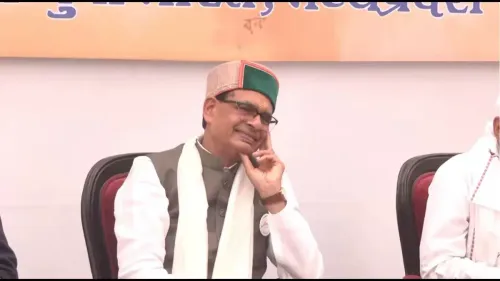
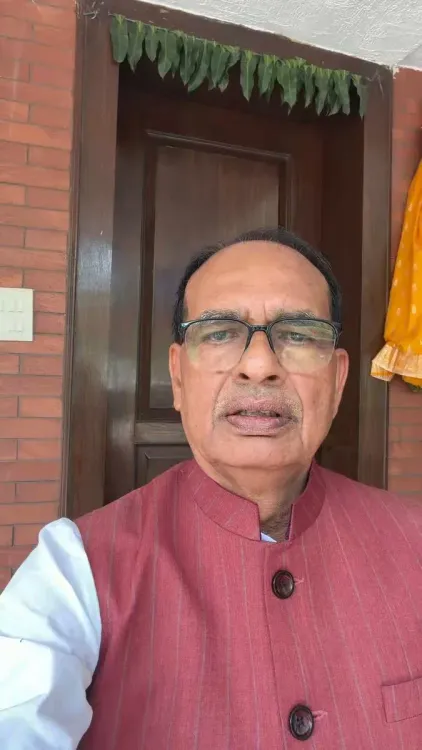
Every year, across India, the effigy of Ravana goes up in flames to a roar of firecrackers — and then, the next morning, the country wakes up the same. On Vijayadashami, Tuesday, 20 October 2026, Union Agriculture Minister Shivraj Singh Chouhan turned that familiar ritual into a pointed question that cut straight to the bone.
In a post on X, Chouhan wrote — translated from Hindi — 'Aaj Vijayadashami par mere mann mein ek sawaal baar-baar koundh raha hai' ('Today on Vijayadashami, a question keeps flashing through my mind'): 'We burn Ravana every year, but why don't his evils burn with him?' The minister said his heart aches — mann vyathit hota hai — when an innocent girl is assaulted, and again when people fall into the grip of addiction. 'Ravana is still alive somewhere,' he wrote.
The two evils Chouhan named — and why he named them now
Chouhan did not speak in abstractions. He zeroed in on two specific scourges: sexual violence against women and girls, and drug abuse. The choice is deliberate. Both have been live, urgent fault lines in Indian public life — recurring flashpoints in Parliament, in state legislatures, and on the streets. Naming them on Dussehra, the festival that celebrates the triumph of good over evil, gives the call a moral sharpness that a routine policy statement never could.
Indian political figures have long woven Dussehra symbolism into their messaging on social ills. What separates this post from ceremonial boilerplate is its candour about failure — the frank admission that the annual burning has not, so far, done the job. 'Why does this Ravana of addiction not end?' Chouhan asked, before issuing a collective challenge to fellow citizens.
A senior BJP voice connecting culture to civic resolve
As a four-term Chief Minister of Madhya Pradesh and now Union Minister heading Agriculture & Farmers Welfare and Rural Development, Chouhan commands a wide constituency — farmers, small-town families, and rural communities who live closest to the two problems he described. His messaging consistently bridges traditional cultural sentiment with a call for practical societal change, and this Dussehra post is no different.
He closed with a call to action and warm festival wishes: 'Let us take a pledge this Vijayadashami to end these evils along with Ravana. Only then will Ravana truly be defeated. Heartfelt Vijayadashami greetings to all fellow countrymen.'
The real test, as with every such pledge, is what follows the festival season — whether the sentiment translates into legislative energy on women's safety laws or anti-narcotics campaigns in the weeks ahead.
Point of View
Invoking personal anguish — 'mann vyathit hota hai' — is a deliberate tonal choice that signals empathy over authority. The subtext is significant: by acknowledging that the evils endure year after year, the message implicitly accepts that symbolic gestures alone are insufficient and frames civic society, not just government, as the agent of change. Watch whether this sentiment feeds into concrete policy discussions when Parliament reconvenes.
NationPress
20 Oct 2026
Frequently Asked Questions
What did Shivraj Singh Chouhan say on Vijayadashami 2026?
He posted a message on X asking why India burns Ravana's effigy every year but not his evils, specifically highlighting sexual violence against women and drug addiction, and called on citizens to pledge to end both this Dussehra.
What is the significance of Vijayadashami in India?
Vijayadashami, also called Dussehra, marks the victory of Lord Rama over the demon king Ravana, symbolising the triumph of good over evil. It is observed across India with the burning of Ravana effigies.
Which two social evils did Shivraj Chouhan highlight on Dussehra?
He specifically named sexual violence against women and girls, and drug abuse, calling both living manifestations of Ravana in modern society.
What pledge did Shivraj Singh Chouhan urge on Dussehra?
He urged all fellow citizens to take a pledge this Vijayadashami to end these social evils — sexual violence and addiction — alongside burning Ravana's effigy, saying only then would Ravana truly be defeated.
Why do Indian politicians often reference Ravana and Dussehra in their messages?
Dussehra's central symbolism — the defeat of evil — makes it a natural cultural vehicle for politicians to highlight social ills and call for collective moral resolve, resonating with a wide cross-section of the Indian public.