Vande Bharat transports live donor heart from Surat to Ahmedabad for third time
Synopsis
For the third time, a Vande Bharat Express served as an emergency relay for a live donor heart — this time from Surat to Ahmedabad. With a green corridor cleared at the platform and railway, police, and medical teams in lockstep, the operation signals that India's premier train network is quietly becoming a backbone for time-critical organ logistics.
Key Takeaways
A live donor heart was transported from Surat to Ahmedabad aboard Train No.
20901 , the Mumbai Central–Gandhinagar Capital Vande Bharat Express , on Sunday .
This was the third time the Vande Bharat Express has been used to transport a live heart for transplantation on this corridor.
The heart was retrieved from New Civil Hospital, Surat and loaded into coach C-12 at Surat station.
A green corridor was activated on Platform No.
1 at Ahmedabad station to minimise ground transit time to the hospital.
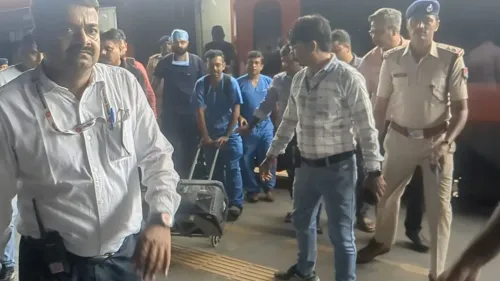
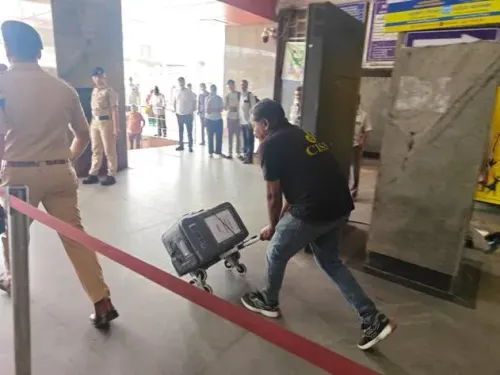
RPF , GRP , state police, and Western Railway commercial staff jointly coordinated the transfer.
The organ was handed to the specialist team at U.N.
Mehta Institute of Cardiology and Research Centre, Ahmedabad for transplantation.
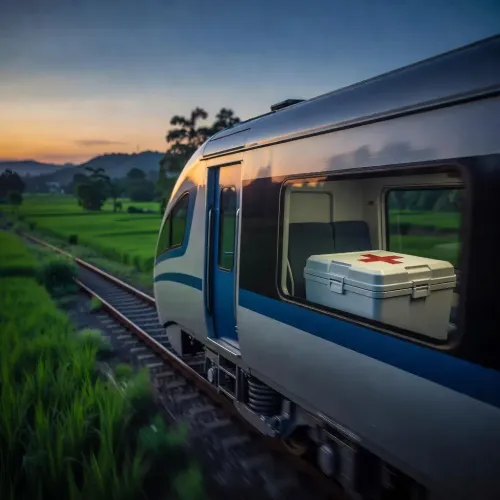
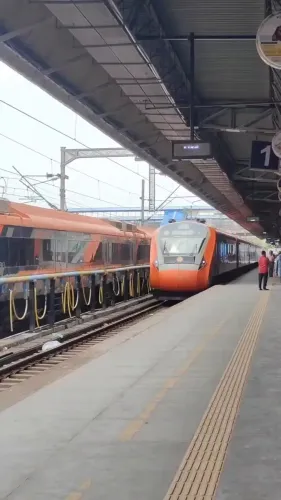
A live donor heart was transported from Surat to Ahmedabad aboard the Vande Bharat Express on Sunday, marking the third time the semi-high-speed train has been deployed to facilitate a heart transplantation in Gujarat. The organ was carried on Train No. 20901, the Mumbai Central–Gandhinagar Capital Vande Bharat Express, completing a race against time that required precise coordination across railway, police, and medical agencies.
How the Transfer Unfolded
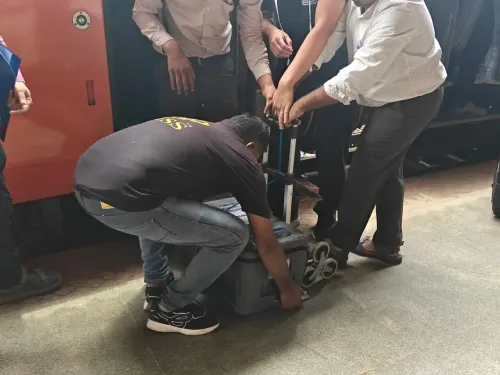
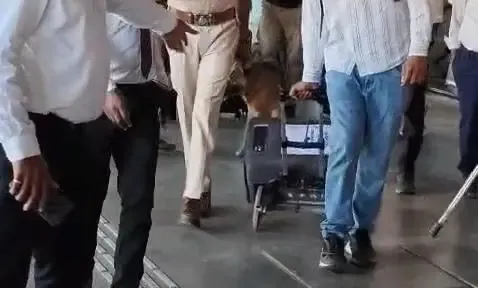
The donor heart was retrieved from New Civil Hospital, Surat and carefully loaded into coach C-12 at Surat railway station. Upon arrival at Ahmedabad railway station, a green corridor was activated on Platform No. 1, clearing a direct path to minimise ground transit time. Railway commercial department staff, personnel of the Railway Protection Force (RPF), the Government Railway Police (GRP), and state police officials coordinated the handover at every stage.
Why a Scheduled Train Service
A donor heart is among the most time-critical organs in transplant medicine — it must reach the recipient operating theatre within a tightly prescribed window after retrieval. Using a scheduled, high-speed rail service rather than road transport reduces exposure to traffic delays and route uncertainty. The Vande Bharat Express, with its relatively high average speed on the Surat–Ahmedabad corridor, offers a predictable transit time that medical teams can plan around.
The Role of Western Railway
Western Railway said it had coordinated with the hospitals concerned, state police, medical teams, and its own staff to facilitate the transfer. Ahmedabad Divisional Railway Manager Ved Prakash confirmed the milestone, saying the operation represented ‘the third occasion on which the Vande Bharat Express had been used for the swift and safe transportation of a live heart.’
Transplant and Broader Significance
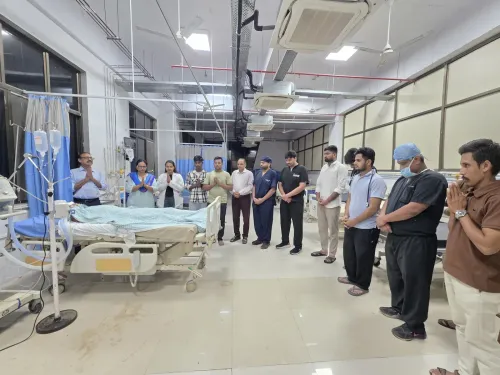
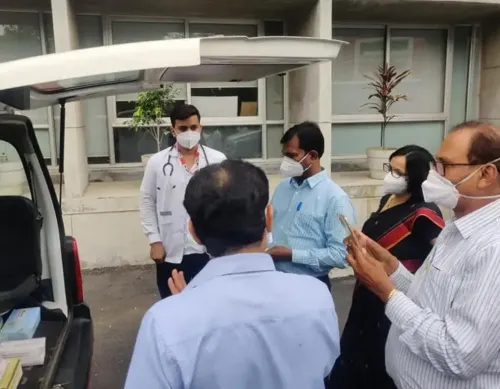
The heart was handed over to the specialist team at the U.N. Mehta Institute of Cardiology and Research Centre, Ahmedabad, where the transplant procedure was to be carried out. The repeated use of Vande Bharat for organ transport points to an emerging operational model in India — one where railway infrastructure supplements dedicated green-corridor road routes, particularly for inter-city organ transfers where time margins are narrow. This is the third such documented instance on this corridor, suggesting the protocol is maturing from a one-off arrangement into a replicable standard.
Point of View
The logical next step is to formalise the arrangement: reserved coach slots, standing green-corridor SOPs, and coordination templates shared with state health departments. India loses transplantable organs every year to logistics failure, and the health ministry has no national rail-organ transport framework. What Western Railway has demonstrated here is a proof of concept; what is missing is the policy architecture to scale it.
NationPress
2 Nov 2026
Frequently Asked Questions
Why was the Vande Bharat Express used to transport a donor heart?
The Vande Bharat Express offers a predictable, high-speed transit time between Surat and Ahmedabad that reduces the risk of delays compared to road transport. A donor heart must be transplanted within a strict time window after retrieval, making speed and reliability critical.
How was the green corridor set up at Ahmedabad railway station?
A green corridor was activated on Platform No. 1 at Ahmedabad railway station upon the train's arrival. RPF, GRP, and state police coordinated to clear a direct path, allowing the organ to be transferred from the platform to U.N. Mehta Institute of Cardiology and Research Centre in the shortest possible time.
Which hospital performed the heart transplant?
The transplant was carried out by the specialist medical team at the U.N. Mehta Institute of Cardiology and Research Centre in Ahmedabad. The heart was retrieved from New Civil Hospital in Surat before being loaded onto the train.
How many times has Vande Bharat been used to transport a live heart?
Sunday's operation was the third time the Vande Bharat Express has been used for the swift and safe transportation of a live donor heart on the Surat–Ahmedabad corridor, according to Ahmedabad Divisional Railway Manager Ved Prakash.
Which train and coach carried the donor heart?
The heart was transported aboard Train No. 20901, the Mumbai Central–Gandhinagar Capital Vande Bharat Express, specifically in coach C-12, which was boarded at Surat railway station.