Indian Railways transports first live donor heart by train to Ahmedabad
Synopsis
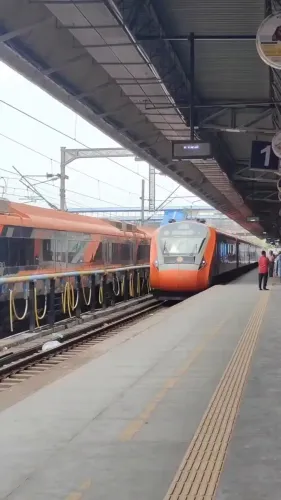
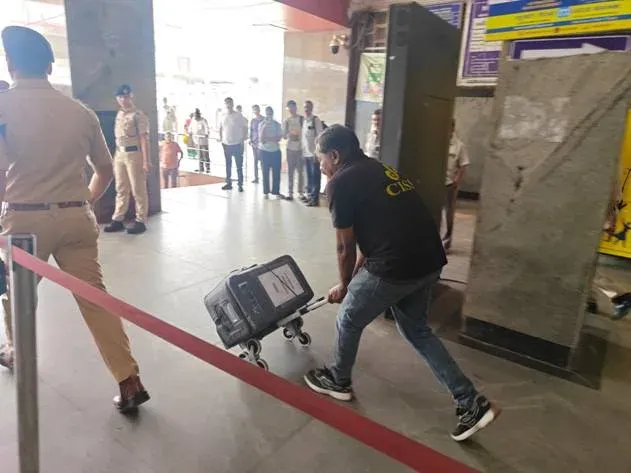
For the first time in India, a live donor heart was transported by train — aboard the Vande Bharat Express from Surat to Ahmedabad — and delivered successfully for transplantation at UN Mehta Institute on 31 July. The mission, backed by a dedicated Green Corridor and multi-agency coordination, signals a potential new chapter in India's emergency organ logistics.
Key Takeaways
Indian Railways transported a live donor heart by train for the first time on 31 July 2025 .
The organ travelled from Surat to Ahmedabad aboard Train No.
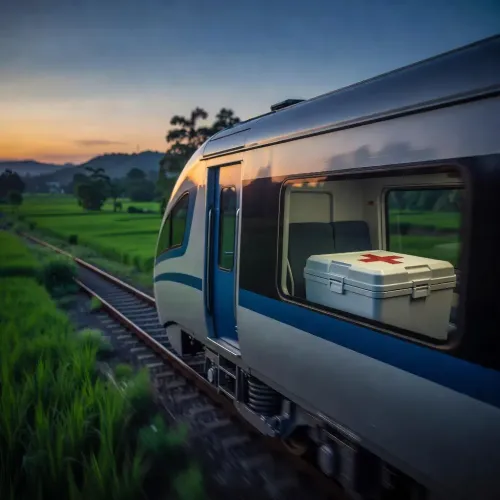
20901 , the Mumbai Central-Gandhinagar Capital Vande Bharat Express .
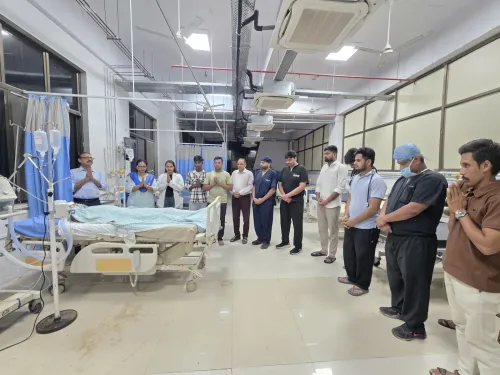
The heart was successfully delivered to the UN Mehta Institute of Cardiology & Research Centre, Ahmedabad , within the viability window.
A dedicated Green Corridor was created from Platform No.
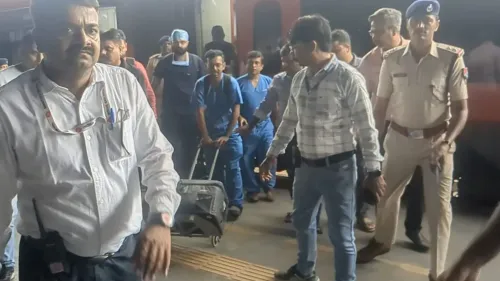
1, Ahmedabad Railway Station to the hospital by the RPF and Gujarat State Police .
The mission involved seamless coordination among Indian Railways , RPF , Gujarat State Police , and medical teams.
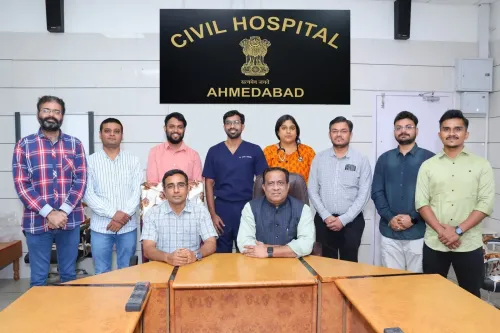
Indian Railways achieved a historic first on Friday, 31 July, successfully transporting a live donor heart by train from Surat to Ahmedabad for transplantation at the UN Mehta Institute of Cardiology & Research Centre. The life-saving organ arrived safely within the prescribed viability window, marking a landmark moment in India's emergency medical logistics.
How the Mission Was Executed
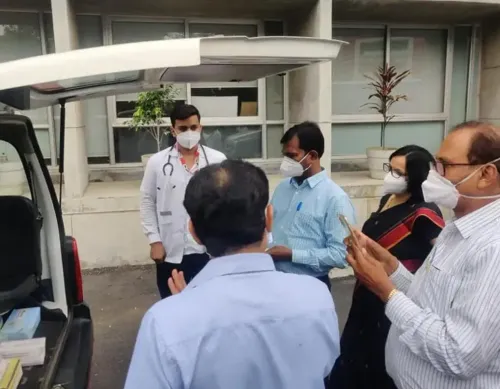
The donor heart travelled aboard Train No. 20901, the Mumbai Central-Gandhinagar Capital Vande Bharat Express. The operation demanded meticulous planning and real-time coordination across multiple agencies — Indian Railways, the Railway Protection Force (RPF), Gujarat State Police, and the medical teams involved in the transplant.
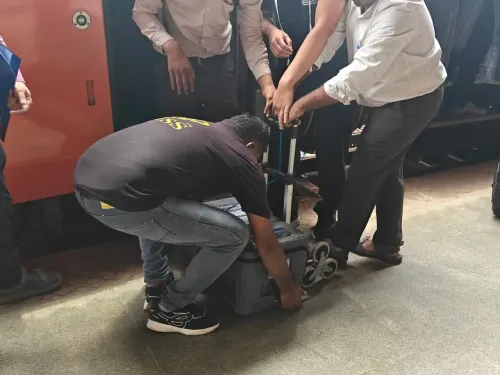
Every stage of transit was carefully synchronised to ensure the organ remained viable throughout the journey. A dedicated Green Corridor was established from Platform No. 1 of Ahmedabad Railway Station directly to the UN Mehta Institute, enabling uninterrupted movement of the heart from train to operating theatre.
What Officials Said
Ved Prakash, Divisional Railway Manager, Ahmedabad, said the mission demonstrated Indian Railways' commitment to serving society beyond conventional passenger and freight transportation. 'The excellent coordination among Indian Railways, RPF, Gujarat State Police and the medical teams ensured the success of this mission. Contributing towards saving a human life is not only our responsibility but also our highest duty towards service and humanity,' he said.
The Ministry of Railways stated that the mission 'showcased the speed, punctuality and reliability of Vande Bharat Express while highlighting the growing role of Indian Railways in supporting critical healthcare services and emergency medical transportation.'
Why This Matters for Emergency Healthcare
Donor organ transportation in India has traditionally relied on road-based Green Corridors and, in some cases, air ambulances. This mission establishes rail as a viable — and potentially faster — alternative for inter-city organ logistics, particularly on routes where Vande Bharat Express offers predictable, high-speed connectivity.
Notably, donor hearts carry one of the shortest viability windows among transplantable organs, typically 4 to 6 hours from procurement to implantation. The success of this mission suggests that rail-based organ transport could be replicated on other high-frequency Vande Bharat corridors across India.
Broader Implications for Indian Railways
The mission underlines the expanding role of modern railway infrastructure in India's emergency response ecosystem. This comes amid Indian Railways' broader push to position Vande Bharat Express as a premium, reliable service capable of supporting national priorities beyond routine travel. As the network expands, the potential for institutionalising rail-based organ transport corridors grows significantly.
Whether this remains a one-off achievement or evolves into a structured protocol will depend on coordination frameworks between the railways, state health departments, and hospital networks going forward.
Point of View
But its long-term value depends on whether it becomes a replicable protocol or remains a one-time showcase. India's organ transplant ecosystem is constrained less by surgical capacity and more by logistics — road corridors are prone to delay, and air ambulances are costly. A structured rail-based organ transport framework, anchored to Vande Bharat's expanding network, could meaningfully improve outcomes for patients outside metro centres. The harder question is institutional: who owns the coordination protocol, and how quickly can it be standardised across states?
NationPress
15 Sept 2026
Frequently Asked Questions
What did Indian Railways achieve on 31 July 2025?
Indian Railways successfully transported a live donor heart by train for the first time in India, moving it from Surat to Ahmedabad aboard the Vande Bharat Express for transplantation at the UN Mehta Institute of Cardiology & Research Centre. The organ was delivered safely within the required viability window.
Which train carried the donor heart?
The donor heart was transported aboard Train No. 20901, the Mumbai Central-Gandhinagar Capital Vande Bharat Express, from Surat to Ahmedabad.
What is a Green Corridor and how was it used here?
A Green Corridor is a dedicated, signal-free route created to enable the fastest possible movement of a life-saving organ from one point to another. In this mission, the Railway Protection Force and Gujarat State Police established a Green Corridor from Platform No. 1 of Ahmedabad Railway Station directly to the UN Mehta Institute of Cardiology & Research Centre.
Why is rail transport significant for organ logistics in India?
Donor organ transport in India has largely relied on road-based Green Corridors or air ambulances. Rail offers a faster, more predictable alternative on key inter-city routes, especially for organs like the heart that have a viability window of roughly 4 to 6 hours. This mission demonstrates that Vande Bharat's speed and punctuality make it a credible option for emergency medical logistics.
Which agencies coordinated the mission?
The mission involved Indian Railways, the Railway Protection Force (RPF), Gujarat State Police, and the medical teams at the transplant hospital. Divisional Railway Manager, Ahmedabad, Ved Prakash, credited the multi-agency coordination as central to the mission's success.