Organ donation at Ahmedabad Civil: Brain-dead woman's family saves 4 lives
Synopsis
A Gujarat family's decision to donate the organs of their 41-year-old brain-dead relative around Raksha Bandhan has saved four lives and pushed Ahmedabad Civil Hospital's cumulative donation tally to 1,083 — a quiet but powerful milestone for public-sector organ donation in India.
Key Takeaways
A 41-year-old woman declared brain-dead on 27 August following a severe brain haemorrhage at Ahmedabad Civil Hospital .
Her family donated her heart , liver , and two kidneys , benefiting four patients across two hospitals.
The heart went to a patient at U.N.
Mehta Hospital ; the liver and kidneys to patients at IKDRC Hospital .
The donation pushed the hospital's cumulative tally to 1,083 organs and tissues from 252 donors .
Of 835 organs donated, the breakdown includes 466 kidneys , 226 livers , 80 hearts , 34 lungs , and more.
The hospital had crossed the 800-organ milestone in June 2025 .
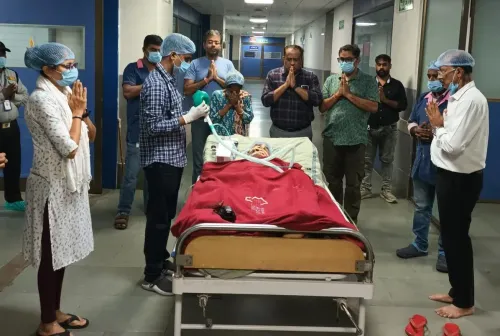
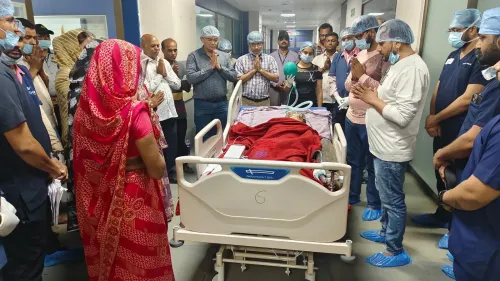
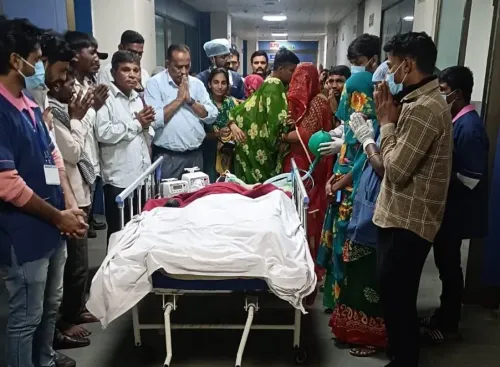
A 41-year-old woman declared brain-dead following a severe brain haemorrhage has given four patients a renewed chance at life after her family consented to donate her heart, liver, and two kidneys at Ahmedabad Civil Hospital. The donation, which took place around Raksha Bandhan, pushes the hospital's cumulative organ and tissue donation tally to 1,083.
How the Donation Unfolded
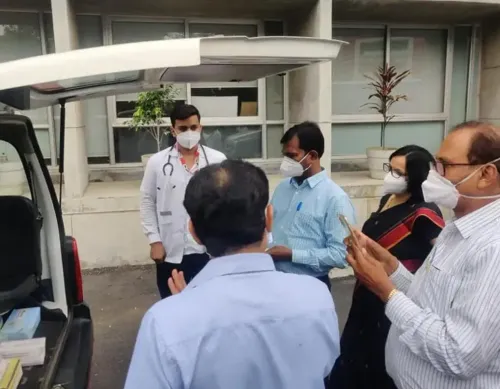
The woman had been receiving treatment in the hospital's intensive care unit when doctors declared her brain-dead on 27 August, despite sustained medical intervention. Following the declaration, Dr Nimesh Desai of the hospital's organ donation team counselled her family on the significance of organ donation. The family subsequently gave their consent, transforming personal grief into a collective act of hope.
Where the Organs Were Allocated
The woman's heart was allocated for transplantation to a patient at U.N. Mehta Hospital. Her liver and two kidneys are set to be transplanted into patients at the Institute of Kidney Diseases and Research Centre (IKDRC) Hospital. All four recipients were already undergoing treatment at their respective facilities at the time of allocation.
What Hospital Authorities Said
Dr Rakesh Joshi, Medical Superintendent of Ahmedabad Civil Hospital, said the family's decision had brought hope to four households. 'Organ donation is not just about giving organs, but about giving hope, happiness and a new chance at life to others,' Joshi said.
Ahmedabad Civil Hospital's Organ Donation Milestone
The latest donation brings the hospital's total to 1,083 organs and tissues from 252 donors. Of the 835 organs donated, the breakdown includes 466 kidneys, 226 livers, 80 hearts, 34 lungs, 21 pancreases, 6 hands, and 2 small intestines. An additional 248 tissues have been donated, comprising 200 corneas and 48 skin donations.
Notably, the hospital had crossed the 800-organ mark from brain-dead donors in June 2025, when the liver and two kidneys of a 30-year-old road accident victim were donated after his family gave consent. The latest case continues a pattern of families at the hospital choosing to turn tragedy into life-giving acts.
The Broader Context of Brain-Death Donation in India
Brain-death declarations open a critical window for multi-organ retrieval, allowing a single donor to benefit as many as eight or more recipients. India's overall deceased-donor organ donation rate remains among the lowest in the world relative to its population, making institutional efforts like those at Ahmedabad Civil Hospital especially significant. Each family that consents to donation helps normalise the practice and eases the burden on India's long transplant waiting lists.
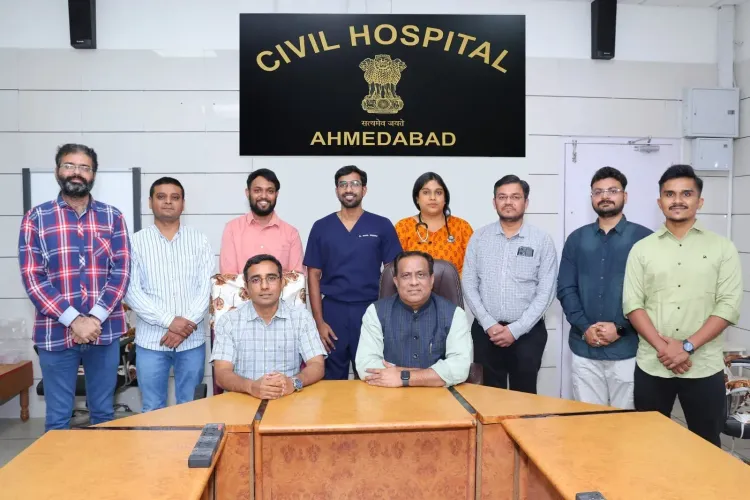
With its tally now at 1,083, Ahmedabad Civil Hospital stands as one of Gujarat's most active public-sector organ donation centres, and its counselling model — led by dedicated teams like the one headed by Dr Desai — is increasingly cited as a replicable framework for other government hospitals.
Point of View
Uneven progress on deceased-donor organ donation. Ahmedabad Civil Hospital's 1,083-donation tally, built almost entirely through in-house counselling, demonstrates that public hospitals can drive consent rates when they invest in dedicated teams. The real question is why this model has not been systematically replicated across India's 700-plus government medical colleges. India's deceased-donor rate hovers near 0.8 per million population, against Spain's 40-plus. The gap is not biological or cultural — it is institutional, and stories like this one make that gap harder to ignore.
NationPress
16 Oct 2026
Frequently Asked Questions
What organs did the Ahmedabad family donate?
The family donated the heart, liver, and two kidneys of their 41-year-old brain-dead relative. The heart was allocated to U.N. Mehta Hospital and the liver and kidneys to IKDRC Hospital, benefiting four patients in total.
When was the woman declared brain-dead?
Doctors at Ahmedabad Civil Hospital declared the woman brain-dead on 27 August, after she was admitted to the ICU following a severe brain haemorrhage and did not respond to intensive treatment.
What is Ahmedabad Civil Hospital's total organ donation count?
With this donation, the hospital's cumulative tally stands at 1,083 organs and tissues from 252 donors, including 835 organs such as 466 kidneys, 226 livers, and 80 hearts, plus 248 tissues.
Who counselled the family to consent to organ donation?
Dr Nimesh Desai of Ahmedabad Civil Hospital's organ donation team counselled the family following the brain-death declaration, explaining the importance and process of organ donation before they gave their consent.
Why does brain-death organ donation matter for India?
Brain-death cases allow multiple organs to be retrieved from a single donor, potentially saving several lives at once. India's deceased-donor donation rate remains very low relative to its population, making each consenting family and each active hospital programme critical to reducing the country's long transplant waiting lists.