Green corridor rushes brain-dead Kajal Rathod's organs from Gandhinagar to Ahmedabad
Synopsis
A 24-year-old woman declared brain dead at a Gandhinagar hospital became a beacon of hope for multiple transplant patients after her family consented to organ donation. A police green corridor cleared the route to Ahmedabad in minutes — a reminder that in organ transplants, coordination is the difference between life and death.
Key Takeaways
Kajal Rathod , 24 , was declared brain dead at GMERS General Hospital, Gandhinagar on 19 June .
Her family gave written consent for organ donation; her kidneys, pancreas, and liver were retrieved for transplantation.
A police-coordinated green corridor cleared the route between Gandhinagar and Ahmedabad Civil Hospital , allowing the ambulance to arrive within the stipulated time.
Officers from both Gandhinagar and Ahmedabad city police forces managed traffic across the entire route.
Gujarat Deputy Chief Minister Harsh Sanghavi praised the family's decision as 'noble and courageous' and commended the police and medical teams for 'exceptional coordination.'
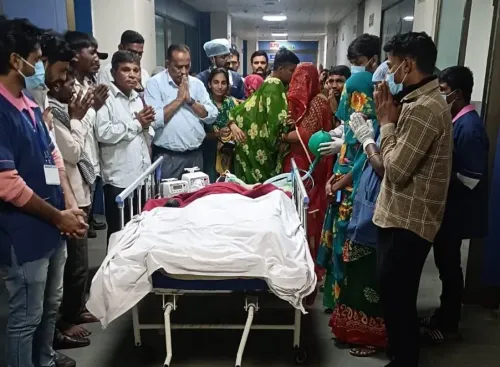
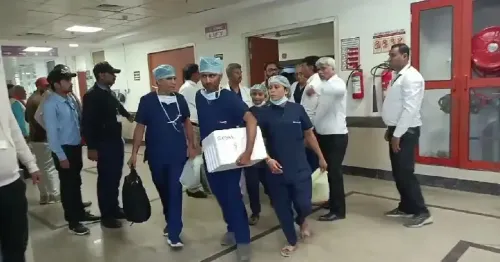
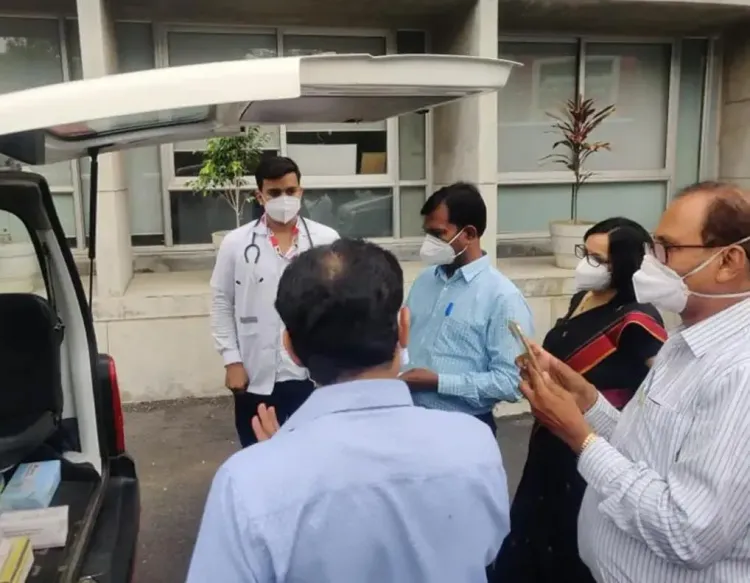
A police-coordinated green corridor on 19 June enabled the swift transfer of organs harvested from Kajal Rathod, a 24-year-old brain-dead woman, from GMERS General Hospital in Gandhinagar to Ahmedabad Civil Hospital for transplantation. The operation, made possible by her family's decision to donate her organs despite their grief, is being hailed as a model of coordination between healthcare institutions and law enforcement.
How the Green Corridor Was Set Up
Kajal Rathod had been undergoing treatment at GMERS General Hospital, Gandhinagar, where she was declared brain dead by doctors on Thursday, 19 June. Her family, in a display of extraordinary resolve, provided written consent for organ donation. Doctors identified her kidneys, pancreas, and liver as viable for transplantation — organs capable of giving multiple patients a renewed chance at life.
Given the narrow time window that governs organ viability, the GMERS hospital administration approached the Gandhinagar district police with a request to clear the route to Ahmedabad Civil Hospital. Senior officials promptly alerted police stations along the entire corridor spanning both cities.
Police and Medical Teams in Action
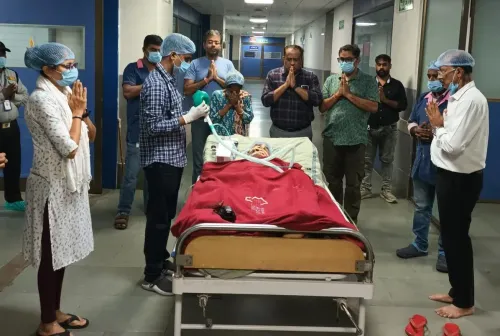
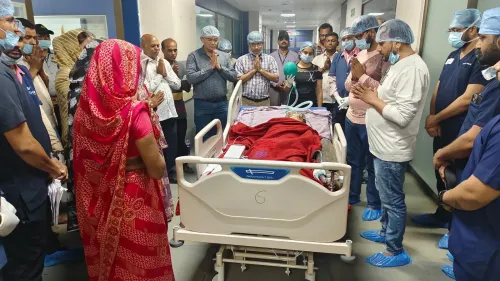
Officers from the Gandhinagar and Ahmedabad city police forces coordinated traffic management across every stretch of the route, ensuring uninterrupted passage for the ambulance. The vehicle reached Ahmedabad Civil Hospital within the stipulated time, and the organs were delivered directly to the operation theatre for further transplantation procedures.
Officials described the exercise as a demonstration of what close cooperation between healthcare institutions and law enforcement can achieve in time-critical medical emergencies. This is the kind of inter-agency coordination that organ donation advocacy groups have long called for across Indian cities.
Government Response and Tributes
Gujarat's Deputy Chief Minister Harsh Sanghavi expressed sorrow over Kajal's death and extended condolences to her family. He described her passing as an 'untimely demise' and conveyed his 'heartfelt condolences to the bereaved family.'
Sanghavi paid tribute to the family's decision, stating that 'despite facing an extremely difficult situation, they had shown humanity and taken a noble and courageous decision in the interest of society.' He also congratulated the medical staff involved in the retrieval process and commended the police teams from both cities for their 'exceptional coordination' in ensuring the organs were transported safely and on time.
Why This Matters
India faces a severe organ shortage, with demand far outstripping supply. Green corridors — temporary traffic clearances for organ transport ambulances — have emerged as a critical tool in bridging the gap between donor hospitals and transplant centres. Notably, the success of such operations depends entirely on real-time coordination between district administrations, police forces, and hospitals, a chain that can break at any point. The Gandhinagar-Ahmedabad operation on 19 June demonstrated that when the chain holds, lives can be saved. The organs retrieved from Kajal Rathod are expected to benefit multiple patients currently awaiting transplants.
Point of View
And here it did. But green corridors remain ad hoc, activated case by case through personal appeals to district police. India needs a standing protocol — pre-mapped routes, pre-alerted stations, automated traffic signal overrides — so that the outcome in Gandhinagar is the rule, not the exception. The real tribute to Kajal's family is building infrastructure worthy of their courage.
NationPress
25 Sept 2026
Frequently Asked Questions
What is a green corridor in the context of organ donation?
A green corridor is a temporarily cleared traffic route created by police to allow an ambulance carrying donor organs to travel without interruption between hospitals. It is critical because most harvested organs remain viable for only a few hours, making speed essential to successful transplantation.
Who was Kajal Rathod and what happened to her?
Kajal Rathod was a 24-year-old woman undergoing treatment at GMERS General Hospital in Gandhinagar, Gujarat. She was declared brain dead by doctors on 19 June, after which her family consented to organ donation, enabling her kidneys, pancreas, and liver to be retrieved for transplant patients.
Which organs were donated and where were they taken?
Kajal Rathod's kidneys, pancreas, and liver were identified as viable for donation and transported via a police green corridor to Ahmedabad Civil Hospital, where they were delivered to the operation theatre for transplantation procedures.
How did the Gandhinagar and Ahmedabad police coordinate the operation?
On instructions from senior officials, police stations along the entire route spanning both Gandhinagar and Ahmedabad were immediately alerted. Officers from both city police forces managed traffic across every stretch of the corridor, keeping it clear for uninterrupted ambulance movement.
What did Deputy CM Harsh Sanghavi say about the incident?
Gujarat Deputy Chief Minister Harsh Sanghavi expressed condolences to Kajal Rathod's family and praised their decision as 'noble and courageous.' He also commended the medical staff and police teams from both cities for their 'exceptional coordination' in ensuring the organs were transported safely and on time.