India's first heart-by-train: Odisha man's organ donation saves four lives in Surat
Synopsis
For the first time in India, a human heart was transported by train for transplantation — aboard the Vande Bharat Express from Surat to Ahmedabad. The 217-minute rail journey, made possible by a family's consent and a multi-agency green corridor, marks both a logistical milestone and a quiet argument for rethinking how India moves organs across its vast rail network.
Key Takeaways
Mithun Swain , 36, a native of Ganjam district, Odisha , was declared brain dead at 4:01 p.m. on 30 July at Surat New Civil Hospital .
His heart, liver, and two kidneys were donated, giving four patients a new chance at life.
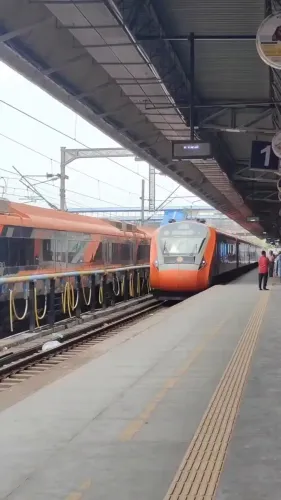
The heart was transported by the Vande Bharat Express from Surat to Ahmedabad in approximately 217 minutes — the first such rail transport of a heart for transplantation in India.
A green corridor by the Railway Protection Force and Gujarat Police ensured timely delivery to U.N.
Mehta Hospital, Ahmedabad .
This was Surat New Civil Hospital's 96th successful organ donation.
The liver and kidneys were allocated to the Institute of Kidney Diseases and Research Centre (IKDRC), Ahmedabad .
A 36-year-old brain-dead man from Odisha, Mithun Swain, became the catalyst for a medical first in India on 31 July when his heart was transported by train for transplantation — a journey aboard the Vande Bharat Express from Surat to Ahmedabad that took approximately 217 minutes. Swain's organ donation at Surat New Civil Hospital — the facility's 96th successful donation — gave four patients a renewed chance at life.
Who Was Mithun Swain
Mithun Swain, a native of Kalakhadi in Ganjam district, Odisha, had been residing at Kim in Surat and working at a weaving unit in Pipodara. On 28 July, he suffered a sudden medical emergency after returning to his room following a meal — his mouth became distorted and the left side of his body, including his arm and leg, ceased to function. He was initially taken to a private hospital before a 108 ambulance transferred him to Surat New Civil Hospital due to the severity of his condition, where he was admitted to the Intensive Care Unit.
Brain Death Declaration and Family Consent
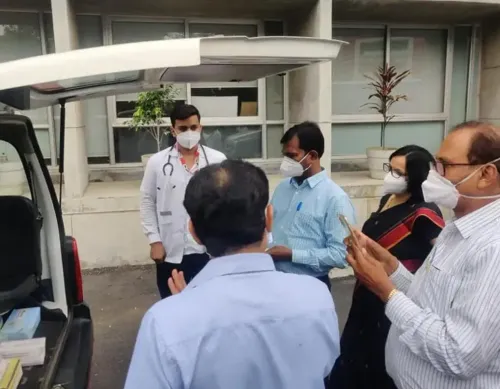
A medical board comprising RMO Ketan Nayak, plastic surgeon Nilesh Kachhadiya, neurologist Prayag Makwana, and neurosurgeon Keyur Prajapati formally declared Swain brain dead at 4:01 p.m. on 30 July. Following the declaration, Organ Donation Charitable Trust volunteer Iqbal Kadiwala and counsellor Nirmala Kathude counselled Swain's wife, brother, and other family members. The family consented to donate his organs, expressing hope that their decision would save lives and inspire greater awareness of organ donation in their home village.
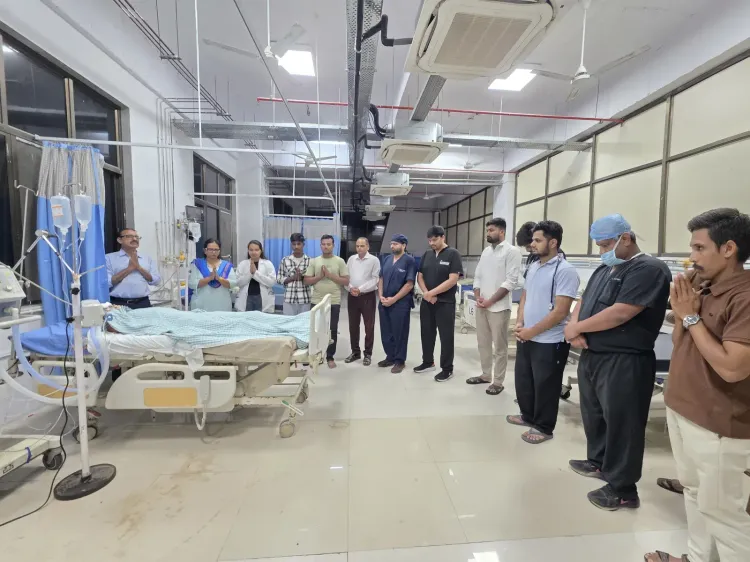
A prayer meeting was held at 5 a.m. before the retrieval procedure, attended by in-charge Medical Superintendent Parul Vadgama, Medical Officer Solanki, and hospital staff, who paid their respects to the donor.
India's First Heart Transport by Train
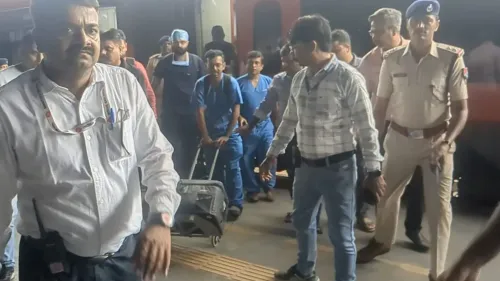
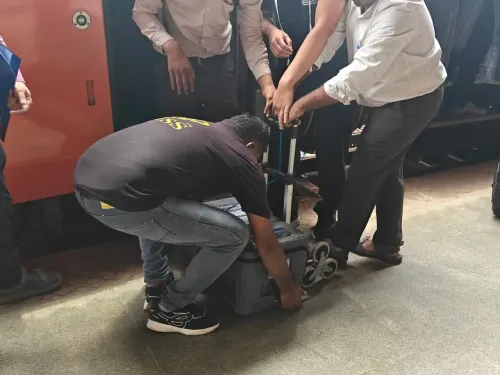
Swain donated his heart, liver, and two kidneys. His liver and both kidneys were allocated to the Institute of Kidney Diseases and Research Centre (IKDRC) in Ahmedabad. His heart, however, made history: it was transported from Surat Railway Station aboard the Mumbai Central–Gandhinagar Capital Vande Bharat Express to U.N. Mehta Hospital, Ahmedabad — the first reported instance in India of a heart being moved for transplantation by rail.
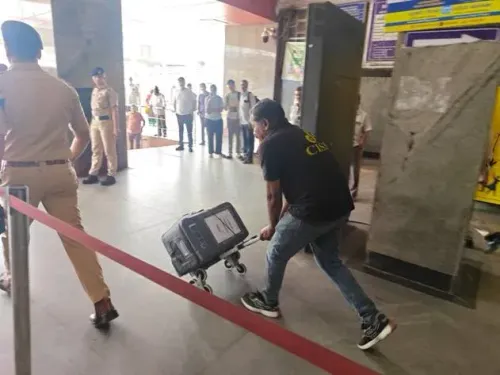
The train journey covered the distance in approximately 217 minutes (three hours and 45 minutes). Upon arrival in Ahmedabad, a green corridor created by the Railway Protection Force and Gujarat Police ensured the organ reached the hospital in time for the transplant procedure.
Coordinated Effort Behind the Milestone
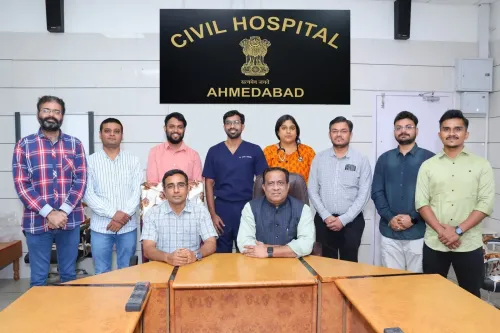
Hospital authorities credited the outcome to a multi-agency effort involving Surat New Civil Hospital, Indian Railways, the Railway Protection Force, Gujarat Police, transplant teams, the Organ Donation Charitable Trust, and volunteers. Notably, this marks the 96th organ donation facilitated by Surat New Civil Hospital, underscoring the facility's growing role in Gujarat's transplant ecosystem.
This comes amid a broader national push to increase organ donation rates in India, where the gap between donors and recipients remains critically wide. The use of rail transport for organ logistics could open new possibilities for time-sensitive deliveries across the country's extensive railway network.
Point of View
Not just a feel-good headline. India's organ donation rate remains among the lowest globally, and one persistent barrier is logistics — the tyranny of distance between donor hospitals and transplant centres. Rail corridors, if formalised, could supplement the green-corridor road model that has worked in cities but struggles across state lines. The real question is whether health authorities will treat this as a replicable protocol or a one-off milestone.
NationPress
15 Sept 2026
Frequently Asked Questions
What happened with Mithun Swain's organ donation in Surat?
Mithun Swain, a 36-year-old from Odisha's Ganjam district working in Surat, was declared brain dead on 30 July at Surat New Civil Hospital. His family consented to donate his heart, liver, and two kidneys, saving four patients.
Why is this organ donation historically significant?
It marks the first reported instance in India of a human heart being transported by train for transplantation. The heart travelled aboard the Vande Bharat Express from Surat to Ahmedabad in approximately 217 minutes.
Which hospitals were involved in the transplant?
Surat New Civil Hospital facilitated the donation. The liver and kidneys went to the Institute of Kidney Diseases and Research Centre (IKDRC) in Ahmedabad, while the heart was transplanted at U.N. Mehta Hospital, Ahmedabad.
How was the heart transported safely and on time?
The heart was carried on the Mumbai Central–Gandhinagar Capital Vande Bharat Express. Upon arrival in Ahmedabad, the Railway Protection Force and Gujarat Police created a green corridor to rush the organ to U.N. Mehta Hospital for transplantation.
What was the role of the Organ Donation Charitable Trust?
Trust volunteer Iqbal Kadiwala and counsellor Nirmala Kathude counselled Swain's family after the brain death declaration, guiding them through the consent process. The family agreed to donate, hoping to save lives and raise awareness in their home village.