White House: Trump Signs Order to Modernise US Customs Enforcement
Synopsis
The White House announced that President Donald Trump has signed an Executive Order using advanced technology to strengthen US customs enforcement, targeting contraband, illegal goods and unfair imports. The move ties border security to trade protection, extending the administration's America First industrial agenda and signalling further executive action on trade enforcement.
Key Takeaways
The White House said President Trump signed an Executive Order on customs enforcement on June 4, 2026.
The order directs use of advanced technology to intercept contraband, illegal goods and unfair imports.
US Customs and Border Protection is positioned as the lead implementing agency.
The move extends a first-term pattern that included 2018 Section 232 tariffs on steel and aluminium.
US manufacturers are framed as primary beneficiaries; importers face evolving compliance expectations.
Implementation guidance and port-level deployment details are awaited.
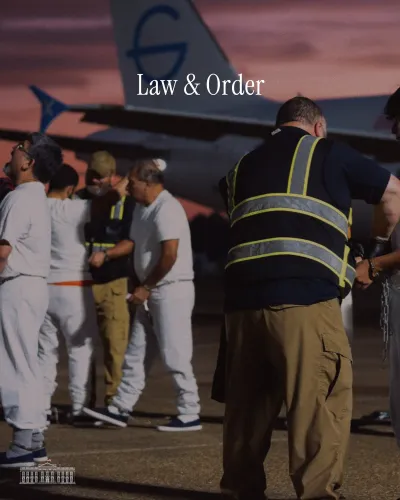
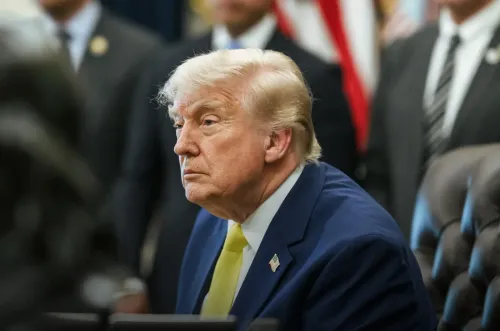
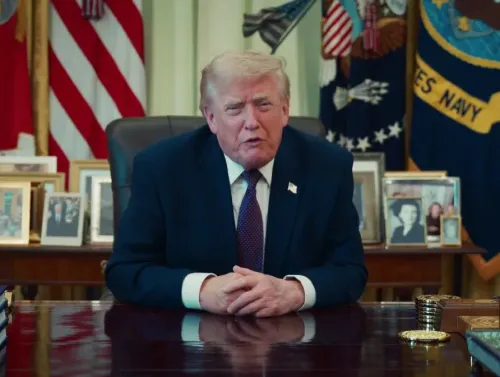
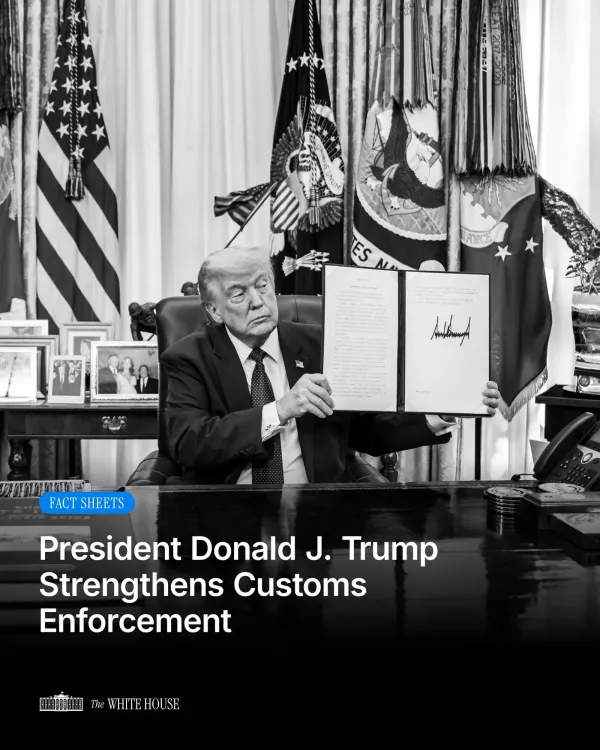
The White House on Thursday, June 4, 2026, announced that President Donald Trump has signed an Executive Order directing the use of advanced technology to bolster customs enforcement at United States ports of entry, framing the move as part of a broader push to shield American industry from contraband, illegal goods and what it described as unfair imports.
In its post, the official communications account of the Executive Office of the President said, 'From the border to trade, President Trump is protecting AMERICAN industry,' adding that the order deploys 'advanced technology to strengthen customs enforcement — stopping contraband, illegal goods, & unfair imports.' The message closed with the administration's signature slogan, 'America First, always.'
Context
The announcement links two policy strands the administration has repeatedly fused in its messaging: border security and trade enforcement. By housing both under a single executive action focused on customs technology, the White House is positioning US Customs and Border Protection as the operational hub for an expanded enforcement posture.
The post does not specify the technologies involved, the cost of deployment, or the ports prioritised for rollout. Detailed implementation guidance is typically issued by the relevant federal agencies in the days after such an order is signed.
Policy backdrop
The order extends a pattern established during President Trump's first term, when his administration leaned heavily on executive authority to reshape American trade policy. In 2018, the administration imposed Section 232 tariffs on steel and aluminium imports, citing national security to shield domestic producers from foreign competition.
That period also produced the United States-Mexico-Canada Agreement (USMCA), which entered into force in 2020 in place of NAFTA. The USMCA tightened rules of origin and added enforcement provisions designed to curb circumvention of duties across North American supply chains — a concern the latest order appears to revisit through a technology-driven lens.
Customs modernisation has been a bipartisan theme in Washington for over a decade, with successive administrations investing in non-intrusive inspection equipment, data analytics and targeting systems at seaports, airports and land crossings. The new order builds on that institutional trajectory while sharpening the political framing around an 'America First' industrial agenda.
Stakeholders and impact
The most immediate stakeholders are US manufacturers, who stand to benefit if enhanced enforcement curbs the entry of under-invoiced or mislabelled imports that undercut domestic prices. Industry groups in sectors such as steel, textiles and consumer electronics have long lobbied for stricter scrutiny of cross-border shipments.
Importers, customs brokers and logistics operators are likely to face new compliance expectations as scanning, documentation and data-sharing requirements evolve. Foreign exporters routing goods to the US market — including suppliers in Asia, Latin America and Europe — will be watching for any shift in clearance times or duty assessments.
For Indian exporters, who ship sizeable volumes of pharmaceuticals, engineering goods, gems and jewellery, and apparel to the United States, tighter customs scrutiny could translate into closer documentation checks, though the operational impact will depend on the technical details that follow.
What's next
Attention now turns to the implementing guidance expected from US Customs and Border Protection and the Department of Homeland Security, which will determine how quickly the new tools are deployed and which trade lanes are prioritised. Early indicators of effect will include movements in import volumes, duty collections and seizure statistics at major ports such as Los Angeles-Long Beach, New York-New Jersey and Laredo.
The order also sets the stage for further executive action on trade in the months ahead, reinforcing the administration's signal that customs enforcement will be a central instrument of its industrial policy.
Point of View
The administration signals it can tighten the screws on imports without immediately triggering retaliation from trading partners. The framing also pre-empts criticism that enforcement gaps, not just tariff levels, allow circumvention. Expect customs modernisation to become a recurring policy lever, complementing rather than replacing the tariff-led approach.
NationPress
18 Oct 2026
Frequently Asked Questions
What did President Trump's new customs executive order do?
It directs the use of advanced technology to strengthen US customs enforcement, with the stated aim of stopping contraband, illegal goods and unfair imports entering the country.
When was the customs enforcement executive order signed?
The White House announced the signing on June 4, 2026, framing it as part of the administration's America First industrial agenda.
Which agency will implement the new customs order?
US Customs and Border Protection, which regulates international trade and intercepts contraband at US ports of entry, is the principal implementing agency.
How could the order affect Indian exporters to the US?
Indian exporters of pharmaceuticals, engineering goods, gems and jewellery, and apparel may face closer documentation checks, though the operational impact depends on technical guidance still to be released.
How does this order relate to Trump's earlier trade policies?
It builds on first-term actions such as the 2018 Section 232 tariffs on steel and aluminium and the USMCA's stricter enforcement provisions, extending the protectionist approach through customs technology.