Kishan Reddy backs tribal museum honouring Komaram Bheem
Synopsis
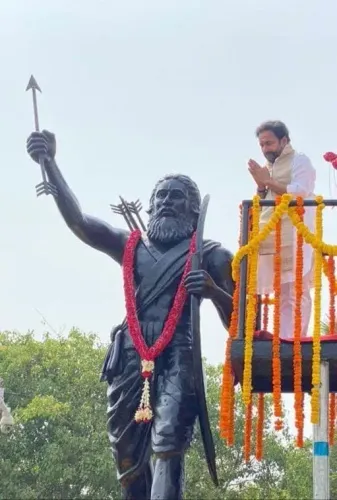
Union Minister G. Kishan Reddy has highlighted the Central government's plan to establish 11 tribal museums across India, spotlighting the Ramji Gond Tribal Museum in Hyderabad as a tribute to Gond warriors Komaram Bheem and Ramji Gond, who resisted Nizam rule under the banner of 'Jal, Jangal, Jameen'.
Key Takeaways
The Central government is establishing 11 tribal freedom fighter museums across India to preserve indigenous contributions to the independence movement.
The Ramji Gond Tribal Museum in Hyderabad is described as a key milestone within this nationwide initiative.
Tribal leaders Komaram Bheem and Ramji Gond fought against the Nizam of Hyderabad's autocratic rule in the 1930s and 1940s .
Komaram Bheem 's slogan 'Jal, Jangal, Jameen' (Water, Forest, Land) remains a touchstone for tribal rights and environmental conservation in India.
Kishan Reddy , also BJP's Telangana state president, made the remarks on 19 July 2026 .
Completion timelines for the museums have not yet been officially confirmed.
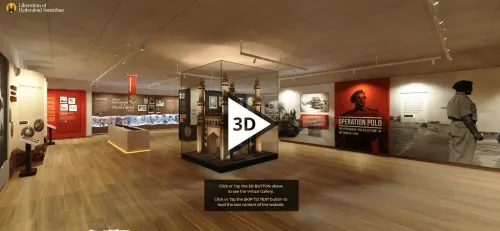
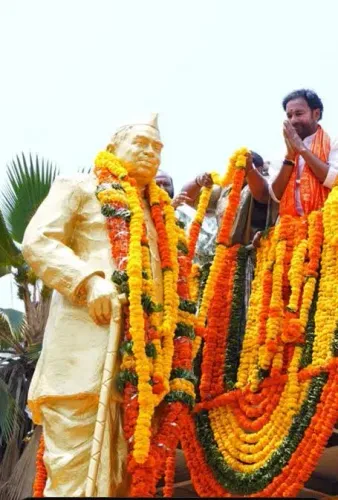
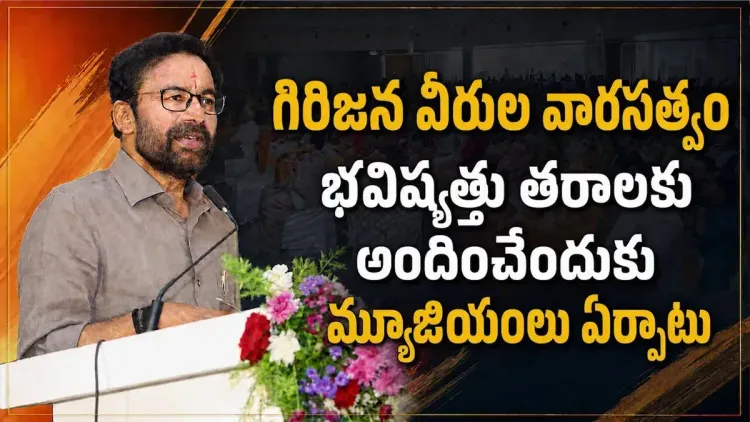
Union Coal and Mines Minister G. Kishan Reddy on Sunday, 19 July 2026, highlighted the Central government's initiative to establish 11 tribal freedom fighter museums across India, drawing attention to the prestigious Ramji Gond Tribal Museum being constructed in Hyderabad as a key milestone in that effort.
Context
Posting in Telugu, the Minister paid tribute to tribal warriors Komaram Bheem and Ramji Gond, who fought against the autocratic rule of the Nizam of Hyderabad with extraordinary courage. He described their sacrifices as having given a new direction not only to the tribal community but to the broader national independence struggle.
Reddy specifically invoked Komaram Bheem's celebrated slogan 'Jal, Jangal, Jameen' (Water, Forest, Land), calling it an enduring inspiration for the protection of tribal rights, self-respect, and conservation of nature. The slogan, rooted in the Gond tribal movement of the 1930s and 1940s, continues to resonate in contemporary Adivasi rights discourse across India.
Policy Backdrop
The Central government's plan to build tribal museums across the country is part of a broader effort to integrate Adivasi histories into the mainstream national freedom narrative. Tribal resistance movements — particularly those against princely states such as the Hyderabad Nizam's dominion — have historically received limited recognition alongside the Congress-led independence campaigns.
The Ramji Gond Tribal Museum in Hyderabad is among the sites earmarked under this initiative. The project aims to document and preserve the valour of tribal freedom fighters so that, as Reddy put it, their stories can be passed on to future generations ('bhavishyat taralataku andincheduku' — to deliver to coming generations).
Stakeholders and Impact
The primary beneficiaries of these museums are tribal communities, particularly the Gond tribes of Telangana and central India, whose contributions to the independence movement have long been underrepresented in official historical accounts. The museums are expected to serve as both cultural heritage centres and educational institutions for younger generations.
For Telangana specifically, the Hyderabad museum carries symbolic weight: Komaram Bheem is one of the state's most celebrated folk heroes, and his legacy has seen renewed political and cultural attention in recent years. The initiative also reinforces the BJP's outreach to tribal constituencies ahead of future electoral cycles in the state, where G. Kishan Reddy also serves as the party's state president.
What's Next
Attention will now turn to the completion and inauguration of the Ramji Gond Tribal Museum in Hyderabad, along with the rollout of the remaining tribal museums planned at sites across multiple states. The timelines for these projects are yet to be publicly confirmed by the government.
The broader initiative signals a continuing policy direction under which the Central government seeks to document and memorialise tribal participation in India's freedom struggle — a narrative that is likely to feature prominently in the lead-up to the country's centenary of independence in 2047.
Point of View
Jangal, Jameen' slogan, which retains live political currency in tribal rights debates, the BJP is simultaneously reclaiming a cultural symbol with deep grassroots resonance. For G. Kishan Reddy, who wears both a ministerial and a state party president's hat in Telangana, championing this project serves a dual purpose: advancing a national heritage agenda while consolidating the party's appeal among tribal voters in a state where it remains a challenger. The initiative fits a broader pattern of the ruling dispensation positioning itself as the custodian of previously overlooked chapters of Indian history.
NationPress
19 Oct 2026
Frequently Asked Questions
What is the Ramji Gond Tribal Museum in Hyderabad?
The Ramji Gond Tribal Museum is a prestigious heritage project being constructed in Hyderabad as part of the Central government's plan to build 11 tribal museums across India. It is dedicated to tribal freedom fighters, particularly Ramji Gond and Komaram Bheem, who resisted the Nizam of Hyderabad's rule.
Who was Komaram Bheem and what is his significance?
Komaram Bheem was a Gond tribal leader from the Telangana region who fought against the autocratic rule of the Nizam of Hyderabad in the 1930s and 1940s. He is celebrated for the slogan 'Jal, Jangal, Jameen' (Water, Forest, Land), which championed tribal rights over natural resources and continues to inspire Adivasi movements today.
How many tribal museums is the Central government building?
The Central government has announced plans to establish 11 tribal museums across India to document and preserve the contributions of indigenous freedom fighters to the national independence struggle. The Hyderabad museum is one of the key sites in this network.
What does 'Jal, Jangal, Jameen' mean?
'Jal, Jangal, Jameen' is a Hindi phrase meaning 'Water, Forest, Land.' It was the rallying slogan of tribal leader Komaram Bheem and represents the demand for tribal communities' rights over their traditional natural resources. The phrase remains widely used in Adivasi rights discourse across India.
Why is G. Kishan Reddy talking about tribal museums?
G. Kishan Reddy is the Union Minister of Coal and Mines and the BJP's Telangana state president. He highlighted the tribal museum initiative on 19 July 2026 to draw attention to the Central government's efforts to honour indigenous freedom fighters and preserve their legacy for future generations, particularly in Telangana where Komaram Bheem is a revered folk hero.