CM Fadnavis Visits Nagpur Garba Fest, Prays for Maharashtra
Synopsis
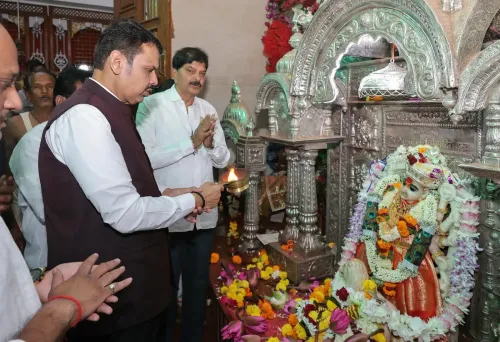
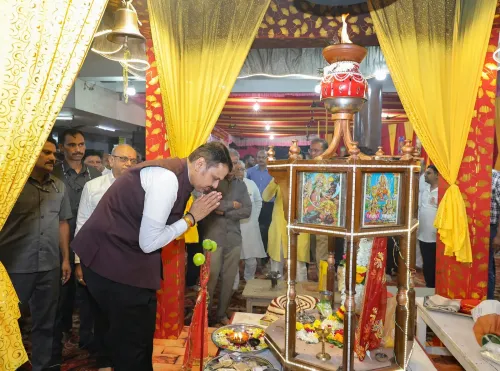
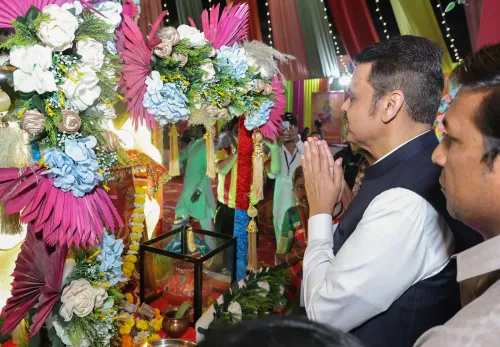
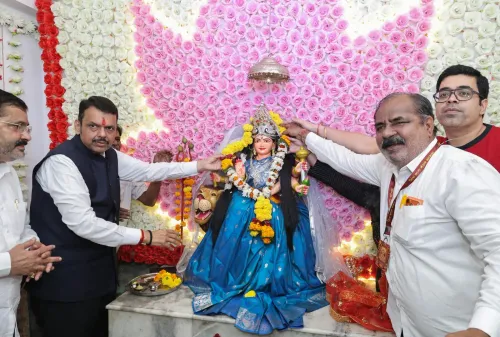
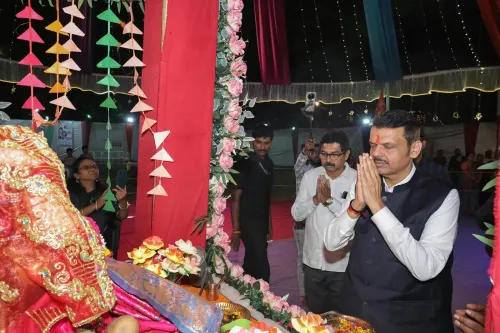
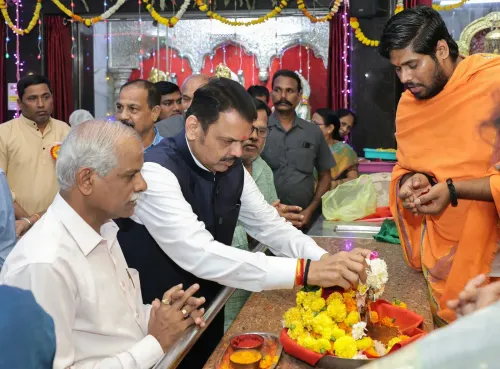
Maharashtra Chief Minister Devendra Fadnavis attended the Sindhu Maharas Garba Mahotsav in Nagpur on 18 October 2026 during Navratri, offering prayers to Goddess Jagdamba for the happiness, peace, and welfare of all citizens of Maharashtra.
Key Takeaways
CM Devendra Fadnavis visited the Sindhu Maharas Garba Mahotsav in Nagpur on 18 October 2026 .
The visit was part of Navratri 2026 , the nine-night Hindu festival dedicated to Goddess Durga.
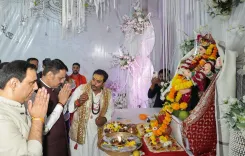
Fadnavis sought the blessings of Goddess Jagdamba and offered a heartfelt darshan at the festival.
He prayed for the happiness, peace, and welfare of all citizens of Maharashtra.
Nagpur is both Fadnavis's home city and Maharashtra's winter capital, making his presence at local festivals a recurring tradition.
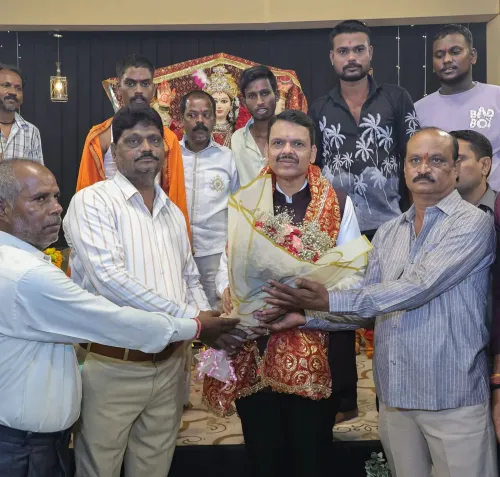
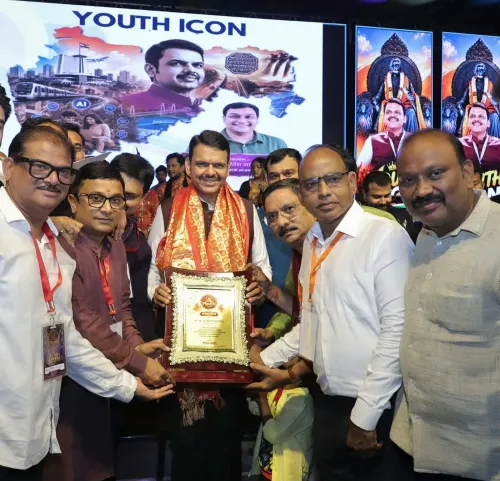
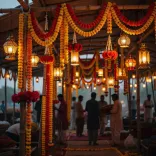
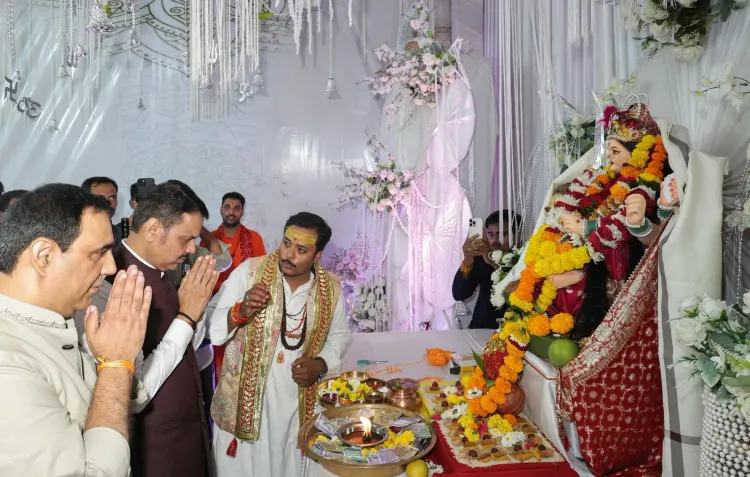
With the beat of dandiya and the scent of incense filling Nagpur's air, Maharashtra Chief Minister Devendra Fadnavis stepped into the Sindhu Maharas Garba Mahotsav on 18 October 2026 — seeking the blessings of Goddess Jagdamba and offering prayers for the peace and well-being of every citizen of the state.
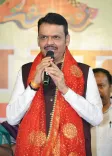
Sharing the moment on X, CM Fadnavis opened with a devotional couplet: 'जय दुर्गे, जय दुर्गे, जगदंबा महाकाळा। तू सदा रक्षण करणारी, देवा! साक्षात दयाळा।' ('Victory to Durga, victory to Durga, Jagdamba Mahakala — You are the eternal protector, O merciful one!'). He described the visit as a heartfelt darshan — a sacred glimpse of the goddess — and said he prayed to Jagdamba for the happiness, peace, and welfare of all.
Nagpur's Navratri stage and what the CM's presence signals
Nagpur, the winter capital of Maharashtra and the CM's home city, has long been a significant site for large-scale Navratri celebrations. The nine-night festival dedicated to the worship of Goddess Durga draws tens of thousands of devotees across Maharashtra, with Garba — the swirling, colourful folk dance originating in Gujarat — now a fixture at major urban festivals across the state.
State leaders attending such events is a well-established tradition in Maharashtra politics, blending public participation in cultural life with visible expressions of personal faith. For Fadnavis, whose political base is rooted in Nagpur, the appearance carries both devotional and community significance — a reminder that the state's highest office holder remains personally connected to the city's festive heartbeat.
A prayer for 'sukh, shanti aur kalyan'
The CM's message centred on a single, unambiguous wish: sukh, shanti aur kalyan — happiness, peace, and welfare — for all. In the charged final stretch of the nine-night festival, that public prayer, offered at one of Nagpur's marquee Garba events, lands as both personal piety and a symbol of collective aspiration heading into the festival's culminating days.
As Navratri 2026 draws toward its close, the streets of Maharashtra's cities remain alive with colour, devotion, and the sound of the dhol. The goddess, it seems, still has the last word.
Point of View
The visit reinforces his grassroots connect at a time when the BJP government is keen to maintain its cultural and community outreach. The devotional framing — praying for collective welfare rather than any political message — keeps the communication squarely in the register of public piety rather than electioneering.
NationPress
19 Oct 2026
Frequently Asked Questions
Which Navratri event did CM Devendra Fadnavis attend in Nagpur?
CM Devendra Fadnavis attended the Sindhu Maharas Garba Mahotsav in Nagpur on 18 October 2026 as part of Navratri celebrations.
What did Fadnavis pray for at the Navratri event?
Fadnavis prayed to Goddess Jagdamba for the happiness, peace, and welfare of all citizens during his visit to the Garba festival.
Why is Nagpur significant for CM Fadnavis?
Nagpur is both the home city of CM Devendra Fadnavis and the winter capital of Maharashtra, making it a politically and personally important base for him.
What is Navratri and when is it celebrated?
Navratri is a nine-night Hindu festival dedicated to the worship of Goddess Durga. In 2026, it falls in October, with major celebrations including Garba dance events held across Maharashtra.
Do Maharashtra politicians regularly attend Navratri events?
Yes, attending Navratri and Garba festivals is a common tradition among Maharashtra's political leaders, combining public participation in cultural life with expressions of personal faith.