Pralhad Joshi Marks World Wind Day, Hails India's Renewable Rise
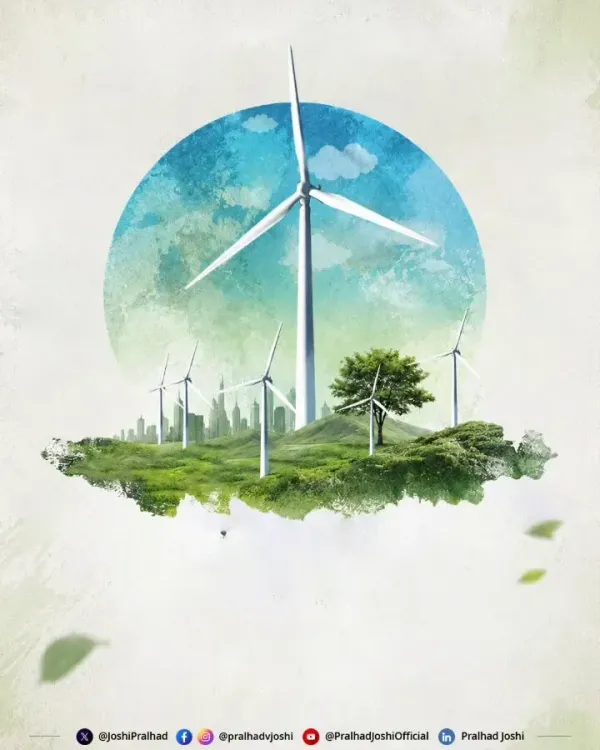
Synopsis
Union Minister Pralhad Joshi marked World Wind Day on 15 June 2026 by celebrating India's wind energy progress under PM Modi's leadership, linking it to the country's 500 GW renewable target by 2030 and the Viksit Bharat vision for 2047.
Key Takeaways
World Wind Day is observed on 15 June each year to highlight wind energy's role in sustainable power generation.
Minister Pralhad Joshi credited PM Narendra Modi's leadership for India's emergence as a global leader in renewable energy.
India has pledged 500 GW of non-fossil fuel capacity by 2030 and net-zero emissions by 2070 , commitments made at COP26 in 2021.
The original 2015 renewable energy target included 60 GW of wind power as part of a 175 GW total capacity goal by 2022.
Wind power is positioned as a key enabler of Viksit Bharat , the government's vision for India to become a developed economy by 2047 .
Policy has evolved from feed-in tariffs to competitive bidding, attracting private investment and enabling wind-solar hybrid projects.
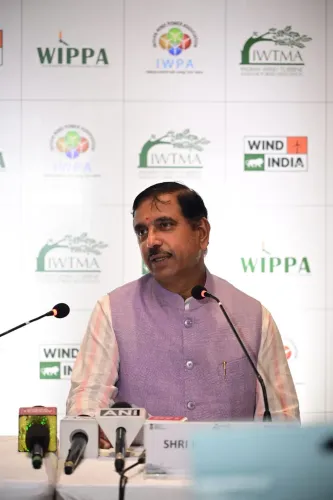
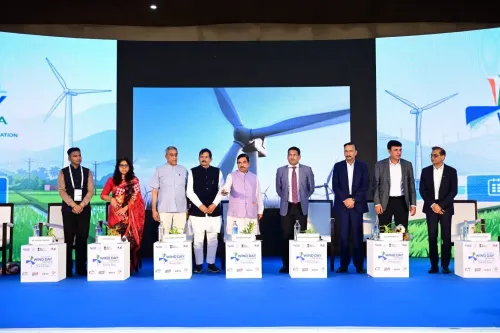
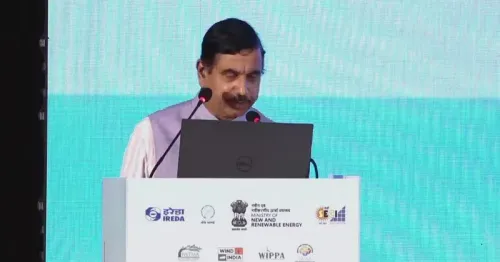
Union Consumer Affairs and New and Renewable Energy Minister Pralhad Joshi on Monday, 15 June 2026 marked World Wind Day by highlighting wind power's central role in India's clean energy transition and its contribution to the country's long-term development vision.
Context
World Wind Day, observed globally on 15 June each year, is dedicated to raising awareness about wind energy's potential as a sustainable power source. Minister Joshi used the occasion to underline how wind power is 'strengthening energy security, reducing carbon emissions and accelerating the journey towards Viksit Bharat' — the government's vision for India to emerge as a developed economy by 2047.
In his post, Joshi credited the 'visionary leadership of Prime Minister Shri Narendra Modi' for India's emergence as a global leader in renewable energy, describing the country's clean energy push as 'harnessing the strength of nature to power the aspirations of a nation.'
Policy Backdrop
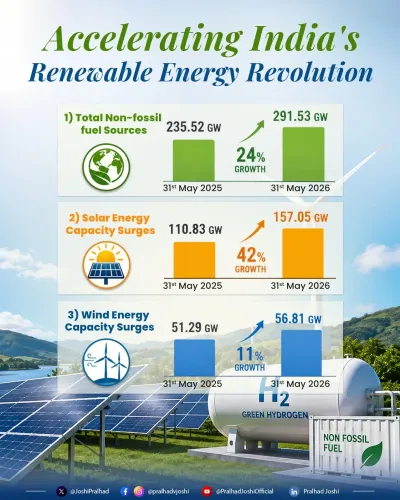
India's wind energy ambitions are anchored in two landmark policy commitments. In 2015, the government set a target of 175 GW of renewable energy capacity by 2022, with 60 GW earmarked specifically for wind power. At the COP26 climate summit in 2021, India raised its ambition significantly, pledging to achieve 500 GW of non-fossil fuel capacity by 2030 and reach net-zero emissions by 2070.
Wind power has been a cornerstone of this strategy since the early 2010s, with successive policy frameworks shifting from feed-in tariff regimes to competitive bidding, drawing in private investment and enabling wind-solar hybrid and storage projects. India has grown into one of the top-five wind energy markets globally over this period.
Stakeholders and Impact
Renewable energy developers and state power utilities are the primary actors shaping the pace of wind capacity addition. Competitive bidding rounds administered under the Ministry of New and Renewable Energy have been the principal mechanism for awarding new wind projects, keeping tariffs competitive while expanding the installed base.
For households and industries, a larger wind fleet contributes to a more diversified generation mix, reducing dependence on imported fossil fuels and offering greater price stability over the long term. The clean energy push also aligns with India's obligations under the Paris Agreement, where domestic wind expansion is a visible signal of climate commitment on the global stage.
What's Next
Attention will turn to progress reports on the 500 GW non-fossil fuel target as the 2030 deadline draws closer. Fresh wind-specific bidding rounds and potential repowering guidelines for older turbines are among the policy measures being tracked in the 2026-27 Union Budget cycle. Minister Joshi's World Wind Day message reinforces that wind energy will remain a political as well as a policy priority for the current government as India works to balance growth with decarbonisation.
Point of View
Not just a technocratic target. With the 2030 deadline for the 500 GW goal now firmly in view, such statements also function as accountability markers — the government is publicly restating its ambitions at a moment when delivery will increasingly face scrutiny. The broader pattern suggests New Delhi is using global observance days strategically to keep India's climate commitments visible ahead of future multilateral forums.
NationPress
14 Sept 2026
Frequently Asked Questions
What is World Wind Day and when is it celebrated?
World Wind Day is a global observance held every year on 15 June to raise awareness about the potential of wind energy as a clean and sustainable power source.
What is India's renewable energy target by 2030?
India has committed to achieving 500 GW of non-fossil fuel electricity capacity by 2030 , a pledge made at the COP26 climate summit in Glasgow in 2021.
What is Viksit Bharat and how does clean energy relate to it?
Viksit Bharat is Prime Minister Narendra Modi's vision for India to become a fully developed economy by 2047 . Clean energy, including wind power, is cited as a core enabler of this long-term national goal.
What is Pralhad Joshi's role in India's wind energy sector?
Pralhad Joshi is the Union Minister for New and Renewable Energy, making him the cabinet minister directly responsible for wind power policy, project bidding, and capacity addition targets.
How has India's wind energy policy evolved over the years?
India moved from feed-in tariff mechanisms to competitive bidding for wind projects, which brought down tariffs and attracted greater private investment. The government also set a specific target of 60 GW of wind capacity as part of its 2015 renewable energy plan.