Pralhad Joshi Chairs Global Wind Day, Launches WT-MARUT Portal
Synopsis
Union Minister Pralhad Joshi chaired Global Wind Day 2026, launching the WT-MARUT supply-chain portal, releasing three sector reports, felicitating top states and industry leaders, and calling on the industry to assess repowering potential for ageing wind projects.
Key Takeaways
WT-MARUT portal launched on 15 June 2026 to improve traceability, quality assurance and transparency in India's wind energy supply chain.
Minister Joshi felicitated outstanding states and industry stakeholders for contributions to India's wind sector growth.
Three reports released covering wind manufacturing, project development and long-term power system planning.
Industry called upon to submit detailed assessments on the potential for repowering ageing wind turbines.
Rising demand from data centres and export-oriented industries cited as a key growth driver for wind energy.
India is the fourth-largest wind power market globally , with a national target of 500 GW non-fossil capacity by 2030 .
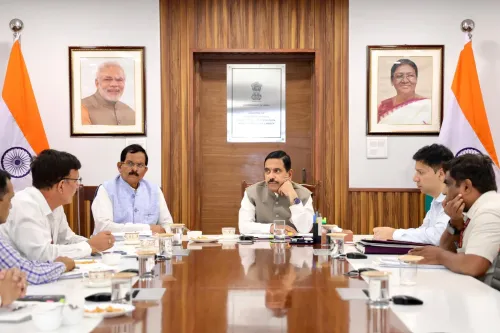
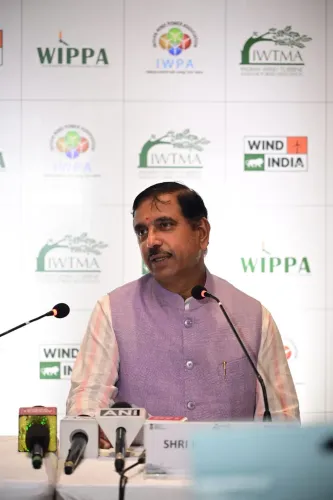
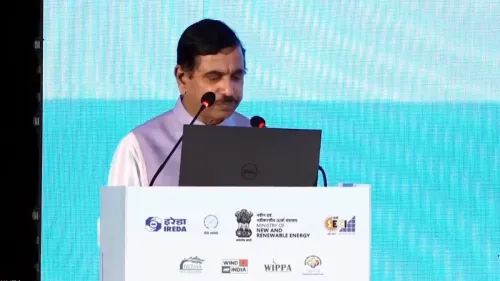
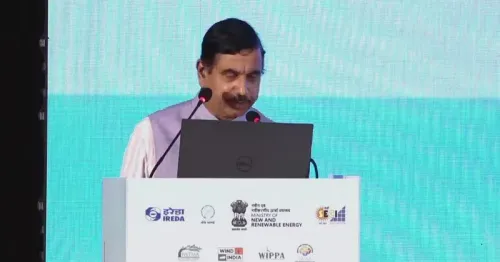
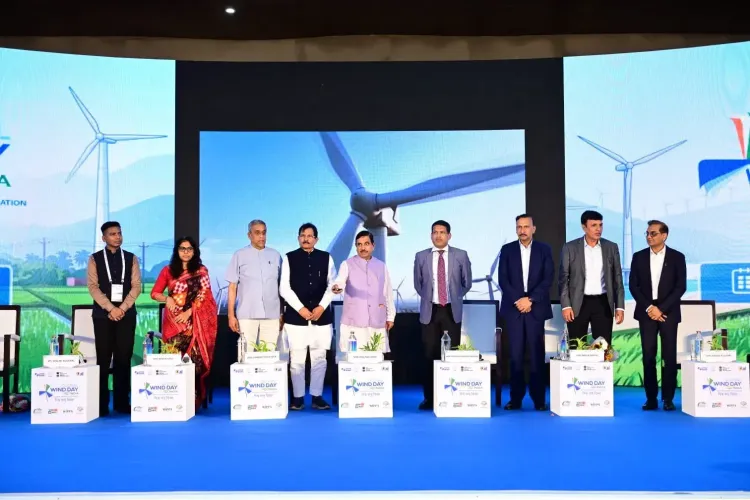
Union Minister of New and Renewable Energy Pralhad Joshi on Monday, 15 June 2026, chaired the Global Wind Day celebrations in New Delhi, launching the WT-MARUT portal to strengthen traceability, quality assurance and transparency across India's wind energy supply chain. The event was attended by Minister of State Shripad Naik, Goa's New and Renewable Energy Minister Ramkrishna, senior ministry officials and industry leaders.
Context
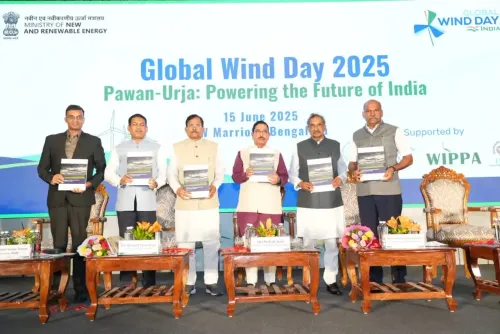
Global Wind Day, observed annually on 15 June, is an international occasion that spotlights wind power's role in the clean energy transition. India's edition this year was anchored by a ministerial-level programme that combined policy announcements with recognition of high-performing states and industry stakeholders. Joshi used the occasion to felicitate outstanding contributors to India's wind sector growth and to release a publication along with three reports covering manufacturing, project development, and long-term power system planning.
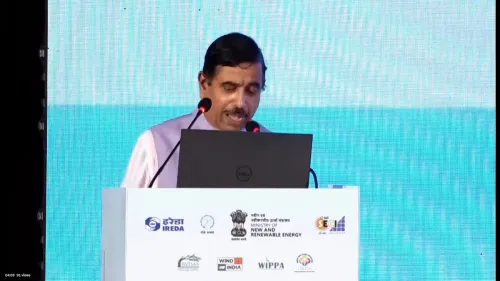
In his address, the minister highlighted India's record wind capacity addition and the country's growing manufacturing strength in the sector. He also drew attention to rising electricity demand from data centres and export-oriented industries as a key driver for accelerating wind deployment.
Policy Backdrop
India is the fourth-largest wind power market globally, with capacity additions driven by central and state-level policies built over decades. The government committed to 175 GW of renewable energy by 2022 at the 2015 Paris climate summit, and later raised its ambition to 500 GW of non-fossil capacity by 2030 at COP26 in 2021.
The Ministry of New and Renewable Energy has run wind resource assessment and generation-based incentive programmes since the 1990s. More recently, the focus has shifted toward domestic manufacturing quality standards and the repowering of ageing wind turbines to sustain growth momentum. The newly launched WT-MARUT portal fits directly into this push for supply-chain discipline and accountability.
Joshi also called upon the industry to submit a 'detailed assessment on the potential for repowering ageing wind projects' — a signal that the ministry intends to formalise a repowering policy framework in the near term.
Stakeholders and Impact
Wind turbine manufacturers, state energy departments and renewable project developers are the primary stakeholders affected by the day's announcements. The WT-MARUT portal is expected to impose new compliance and documentation requirements on the supply chain, with the goal of improving quality benchmarks across the sector.
The minister's emphasis on wind energy's role in meeting demand from data centres and export-oriented industries reflects a broader recognition that India's industrial electricity consumers are increasingly seeking clean power under corporate sustainability commitments. States that adopt the portal early are likely to gain a competitive edge in attracting wind project investments.
Joshi also highlighted Prime Minister Narendra Modi's 'commitment to clean energy and for providing the vision and leadership that has made India one of the world's leading renewable energy nations,' reinforcing the political backing behind the sector's expansion agenda.
What's Next
The immediate focus will be on industry uptake of the WT-MARUT portal and the quality of repowering assessments that manufacturers and developers submit to the ministry. State-level adoption of the portal's compliance framework will be a key indicator of how quickly the traceability mandate translates into on-ground change.
With India's 2030 target of 500 GW non-fossil capacity requiring significant wind contributions alongside solar, the ministry's coordinated push on manufacturing quality, repowering and long-term planning signals that wind energy is being repositioned as a central — not supplementary — pillar of India's energy transition strategy.
Point of View
Paired with the call for repowering assessments, suggests the ministry is laying regulatory groundwork for a second-generation wind policy that addresses ageing infrastructure rather than only new installations. Joshi's explicit reference to data-centre and export-industry demand also positions wind energy within the broader industrial competitiveness agenda, not just climate commitments. Together, these moves indicate that wind energy is being elevated from a peripheral clean-energy target to a strategic pillar of India's industrial and energy security framework.
NationPress
15 Sept 2026
Frequently Asked Questions
What is the WT-MARUT portal launched by Pralhad Joshi?
The WT-MARUT portal is a government platform launched on 15 June 2026 to strengthen traceability, quality assurance and transparency across India's wind energy supply chain, covering manufacturers, developers and other sector stakeholders.
What is Global Wind Day and how did India mark it in 2026?
Global Wind Day is an annual international observance on 15 June that highlights wind power's role in clean energy. India marked it with a ministerial event chaired by Union Minister Pralhad Joshi, featuring the WT-MARUT portal launch, felicitation of top states and industry leaders, and the release of three sector reports.
What is India's renewable energy target for 2030?
India has set a target of 500 GW of non-fossil fuel-based electricity capacity by 2030, a commitment made at COP26 in 2021, building on an earlier pledge of 175 GW by 2022 announced at the 2015 Paris climate summit.
What did Pralhad Joshi say about repowering wind projects?
Joshi called upon the wind industry to submit a detailed assessment on the potential for repowering ageing wind projects, signalling that the ministry may formalise a policy framework for replacing or upgrading older turbines to sustain capacity growth.
What is India's rank in global wind power capacity?
India is the fourth-largest wind power market globally, with sustained capacity additions driven by central government policies, state renewable purchase obligations and growing private sector investment.