Pralhad Joshi Launches WT-MARUT Portal for Wind Energy Tracking
Synopsis
Union Minister Pralhad Joshi on June 15, 2026 launched the WT-MARUT Portal, a digital platform to track wind energy components from manufacturing to project sites, aiming to strengthen traceability, accountability and compliance across India's wind energy value chain.
Key Takeaways
Union Minister Pralhad Joshi announced the launch of the WT-MARUT Portal on June 15, 2026 .
The portal enables end-to-end tracking of wind energy components from manufacturing facilities to project sites.
Key objectives include traceability, accountability and compliance across the wind energy value chain.
India set a wind energy target of 60 GW as part of its 175 GW renewable capacity goal announced in 2015 .
The initiative aligns with the broader Digital India push to digitise regulatory processes in infrastructure sectors.
Primary stakeholders include wind turbine manufacturers and renewable energy project developers .
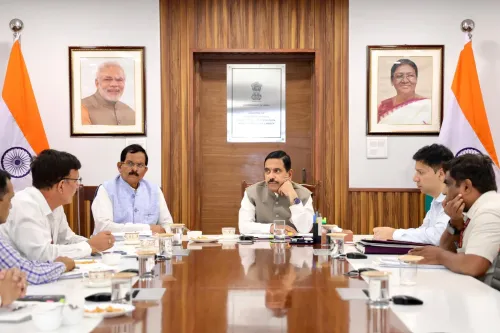
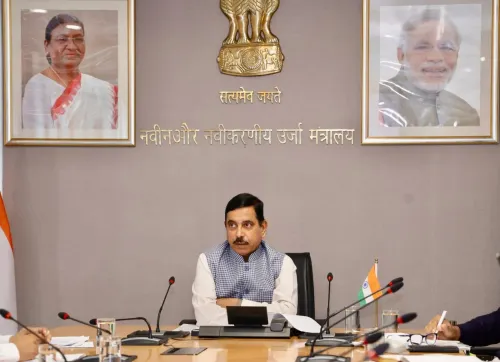
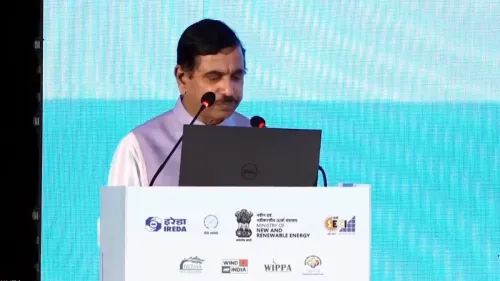
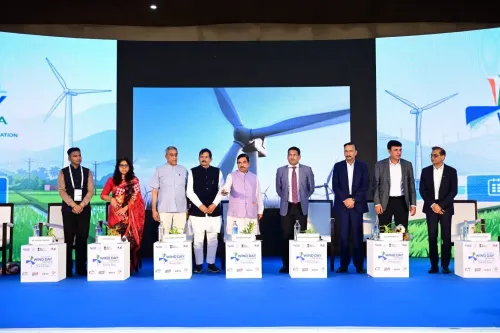
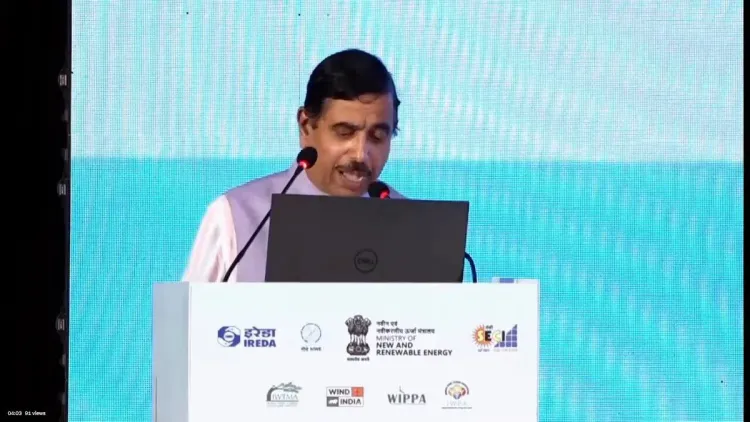
Union Consumer Affairs and New and Renewable Energy Minister Pralhad Joshi on Monday, June 15, 2026, announced the launch of the WT-MARUT Portal, a digital platform designed to bring end-to-end traceability and compliance tracking to India's wind energy supply chain.
Context
Joshi described the portal as 'a major step towards greater transparency, efficiency and digital integration' in India's wind energy sector. The platform is designed to track wind energy components from manufacturing facilities all the way to project sites, creating an auditable trail across the entire value chain. The minister's post highlighted the portal's role in ensuring 'robust traceability, accountability and compliance.'
The announcement comes as India's installed wind capacity has grown steadily over the past decade, making the country one of the world's largest wind power markets. Digital governance tools of this kind address a longstanding gap in supply-chain visibility for renewable energy infrastructure.
Policy Backdrop
India's renewable energy ambitions have been anchored by successive national targets. In 2015, the government set a goal of 175 GW of renewable power capacity by 2022, with 60 GW earmarked for wind energy alone. The National Wind-Solar Hybrid Policy, notified in 2018, further encouraged co-location of wind and solar projects to optimise land and grid use.
The WT-MARUT Portal fits into a broader pattern of digitising regulatory processes across India's infrastructure and energy sectors under the Digital India programme. Comparable traceability mechanisms have been introduced or proposed in solar manufacturing and green-hydrogen value chains, reflecting a whole-of-sector push for data-driven oversight.
The Ministry of New and Renewable Energy (MNRE), which Joshi heads, is the nodal body responsible for policy and deployment across wind, solar and other clean-energy segments. The ministry has also been actively shaping frameworks for offshore wind and wind repowering, areas where component-level traceability carries particular regulatory significance.
Stakeholders and Impact
Wind turbine manufacturers and renewable project developers are the primary stakeholders who will interact with the portal. For manufacturers, the system introduces a formal digital record of component movement, which could streamline compliance filings and reduce disputes over quality or origin. For project developers, real-time tracking of components from factory floor to site can improve procurement planning and reduce delays.
The portal also has implications for regulators and grid operators who require verified data on installed equipment for safety certification and performance benchmarking. Linking component traceability to the National Institute of Wind Energy's existing monitoring infrastructure could further deepen the platform's utility.
What's Next
Industry observers will watch closely for details on the portal's rollout timeline, mandatory versus voluntary adoption for developers, and integration with existing regulatory databases. Parliamentary and regulatory updates on offshore wind and wind repowering policies are expected to follow, and the WT-MARUT Portal could become a foundational data layer for those frameworks. If adoption metrics prove strong, the model may be replicated across other renewable sub-sectors, reinforcing India's ambition to pair clean-energy scale with digital accountability.
Point of View
The government is pre-empting supply-chain integrity concerns that have dogged solar manufacturing and could similarly affect wind at scale. For Pralhad Joshi, the launch reinforces his ministry's digital-governance credentials ahead of anticipated policy announcements on offshore wind and repowering. The portal could also serve as a template for green-hydrogen and battery storage supply chains, making it a strategically significant institutional precedent.
NationPress
14 Sept 2026
Frequently Asked Questions
What is the WT-MARUT Portal?
The WT-MARUT Portal is a digital platform launched by the Ministry of New and Renewable Energy to track wind energy components end-to-end, from manufacturing facilities to project sites, ensuring traceability and compliance across the supply chain.
Who launched the WT-MARUT Portal?
Union Minister for New and Renewable Energy Pralhad Joshi announced the launch of the WT-MARUT Portal on June 15, 2026 .
What is India's wind energy capacity target?
In 2015, India set a target of 60 GW of wind energy capacity as part of an overall 175 GW renewable energy goal that was to be achieved by 2022.
How does the WT-MARUT Portal help wind energy developers?
The portal provides real-time digital tracking of wind turbine components, helping project developers improve procurement planning, reduce delays and meet regulatory compliance requirements more efficiently.
What is the Ministry of New and Renewable Energy's role in wind power?
The Ministry of New and Renewable Energy (MNRE) is the nodal central ministry responsible for wind energy policy, targets, and project deployment across India, including frameworks for offshore wind and repowering.