Pralhad Joshi Flags India's Wind Energy Manufacturing Rise
Synopsis
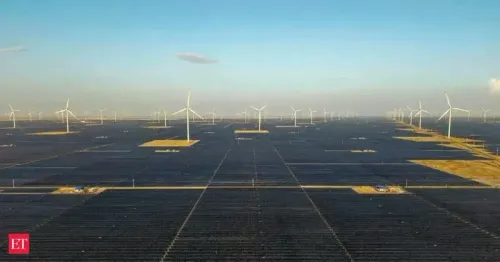
Union Minister Pralhad Joshi on June 15 underscored India's advancing wind energy manufacturing capabilities — spanning nacelles, blades, towers and gearboxes — and said Indian industry is well-placed to compete in global clean-energy markets, reinforcing the country's push toward its 500 GW non-fossil fuel target by 2030.
Key Takeaways
Minister Pralhad Joshi on June 15, 2026 highlighted India's wind energy value-chain strength, covering nacelles, blades, towers and gearboxes.
India has a revised renewable energy target of 500 GW non-fossil fuel capacity by 2030 , announced at COP26 in 2021 .
The Make in India initiative has been extended to wind turbine components, reducing import dependence.
The National Offshore Wind Energy Policy (2015) and National Wind-Solar Hybrid Policy (2018) form the legislative backbone of the sector.
India is positioning itself as a potential exporter of wind energy components to markets in Southeast Asia, Africa and Europe.
India's wind energy push aligns with its long-term net-zero pledge by 2070 .
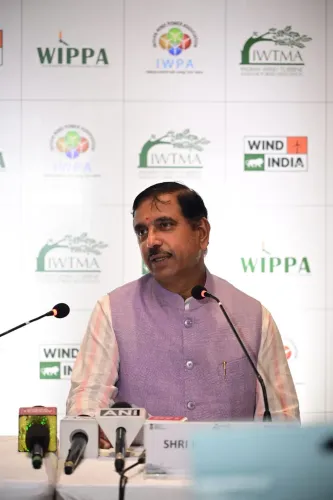
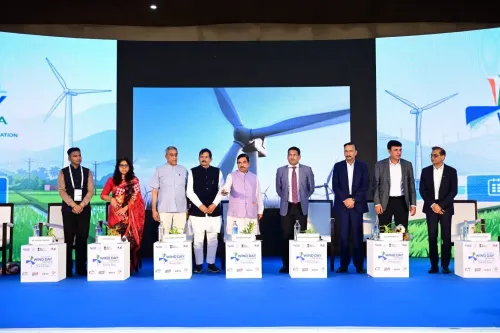
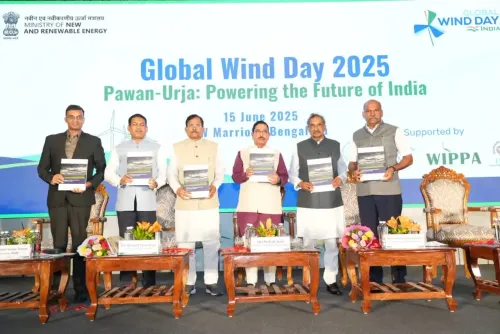
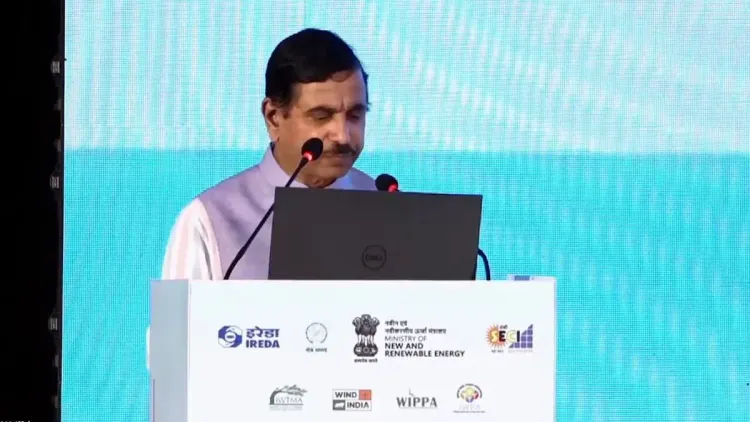
Union Consumer Affairs and New and Renewable Energy Minister Pralhad Joshi on Monday, June 15, 2026, highlighted India's growing strength in wind energy manufacturing, pointing to advances across the full value chain — from nacelles and blades to towers and gearboxes — and the sector's expanding potential in global markets.
Context
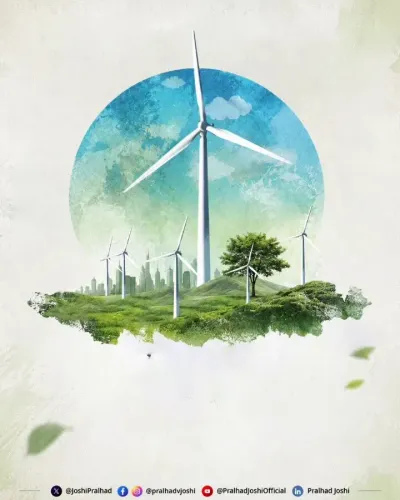
In his post, Joshi stated that 'India's wind energy journey is gaining momentum with strong localisation, advanced manufacturing capabilities and growing global competitiveness.' He specifically called out Indian industry's capacity across components including nacelles, blades, towers and sophisticated gearboxes, asserting that the country is 'well-positioned to expand its footprint in global markets.'
The remarks come as India continues to pursue an ambitious renewable energy buildout, with a revised national target of 500 GW of non-fossil fuel capacity by 2030 — a commitment made at COP26 in 2021, upgrading the earlier 175 GW goal announced during the 2015 Paris climate negotiations.
Policy Backdrop
The Ministry of New and Renewable Energy (MNRE), which Joshi heads, has been the nodal body driving wind sector policy for over a decade. Key milestones include the National Offshore Wind Energy Policy of 2015, which opened India's coastline to offshore wind development, and the National Wind-Solar Hybrid Policy of 2018, designed to co-locate projects and improve grid stability.
The broader Make in India initiative — launched in 2014 — has been extended to renewable energy equipment, encouraging domestic production of turbine components to reduce reliance on imports. Wind energy manufacturing has been a direct beneficiary, with Indian firms scaling up capacity in gearboxes and blades that were previously sourced from overseas suppliers.
India has simultaneously pursued capacity expansion and supply-chain localisation, positioning itself not just as a consumer of clean energy technology but as a potential exporter — a strategic shift that aligns with the country's net-zero pledge by 2070.
Stakeholders and Impact
Domestic wind turbine manufacturers stand to gain most directly from the policy environment Joshi described. Stronger localisation reduces input costs, while government backing provides the demand visibility needed for long-term capital investment in manufacturing facilities.
Renewable energy exporters and component suppliers are also watching closely, as India's improved manufacturing credentials open the door to supply agreements with wind project developers in markets across Southeast Asia, Africa and Europe, where demand for cost-competitive, quality-certified components is rising.
For consumers and grid operators, a more robust domestic supply chain translates to shorter project timelines and reduced foreign-exchange exposure on equipment imports — factors that have historically delayed wind capacity additions.
What's Next
Observers will track progress on wind capacity additions against the 2030 targets, as well as any new disbursements under Production Linked Incentive schemes for wind equipment manufacturers. Upcoming review meetings on renewable energy targets are expected to provide clearer signals on how the government plans to accelerate the pace of installations.
With Joshi's statement signalling strong political backing for the sector, the focus will now shift to whether manufacturing momentum translates into measurable capacity additions and, eventually, a meaningful Indian presence in global clean-energy supply chains.
Point of View
Ahead of expected reviews of the 2030 renewable targets, suggests the ministry is laying political groundwork for accelerated policy support, possibly including fresh Production Linked Incentive tranches. If manufacturing momentum is sustained, India could shift from being a large captive market for wind equipment to a meaningful swing supplier in the global clean-energy trade.
NationPress
15 Sept 2026
Frequently Asked Questions
What did Pralhad Joshi say about India's wind energy sector?
Minister Pralhad Joshi said India's wind energy journey is gaining momentum through strong localisation and advanced manufacturing, with Indian industry proving its strength across the full value chain — nacelles, blades, towers and gearboxes — and being well-positioned to expand in global markets.
What is India's renewable energy target for 2030?
India has a target of 500 GW of non-fossil fuel capacity by 2030 , a commitment announced at COP26 in 2021 , revised upward from the earlier 175 GW goal set during the 2015 Paris climate negotiations.
How does Make in India support wind energy manufacturing?
The Make in India initiative, launched in 2014, has been extended to renewable energy equipment including wind turbines, encouraging domestic production of components such as gearboxes and blades to reduce dependence on imports.
Which ministry oversees wind energy policy in India?
The Ministry of New and Renewable Energy (MNRE) , currently headed by Pralhad Joshi , is the nodal ministry responsible for wind energy policy, targets and programmes in India.
Can India export wind energy components to other countries?
Yes, India is increasingly positioning itself as an exporter of wind turbine components. Improved domestic manufacturing capabilities in nacelles, blades, towers and gearboxes make Indian suppliers competitive in markets across Southeast Asia, Africa and Europe.