Pralhad Joshi Addresses Global Wind Day 2026
Synopsis
Union Minister Pralhad Joshi addressed Global Wind Day 2026 on 15 June, spotlighting India's wind energy ambitions as the country works toward 500 GW of non-fossil fuel capacity by 2030 and a net-zero goal of 2070.
Key Takeaways
Union Minister Pralhad Joshi addressed the Global Wind Day 2026 event on 15 June 2026 .
India targets 500 GW of non-fossil fuel capacity by 2030 , a commitment made at COP26 in 2021 .
The National Offshore Wind Energy Policy was notified in 2015 to develop India's offshore wind potential.
India ranks among the top five wind energy producers globally by installed capacity.
India has set a long-term net-zero emissions target of 2070 .
Key wind-energy states include Tamil Nadu, Gujarat, Rajasthan, Andhra Pradesh, and Karnataka .
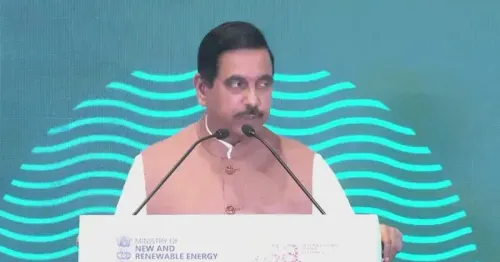
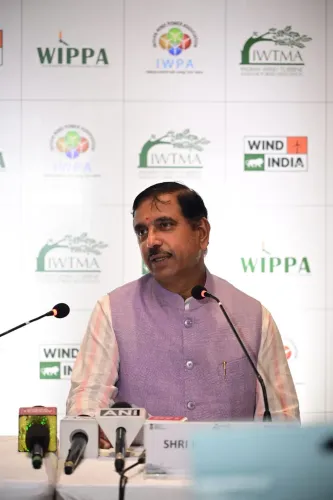
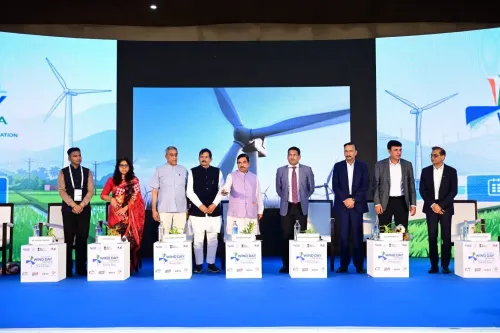
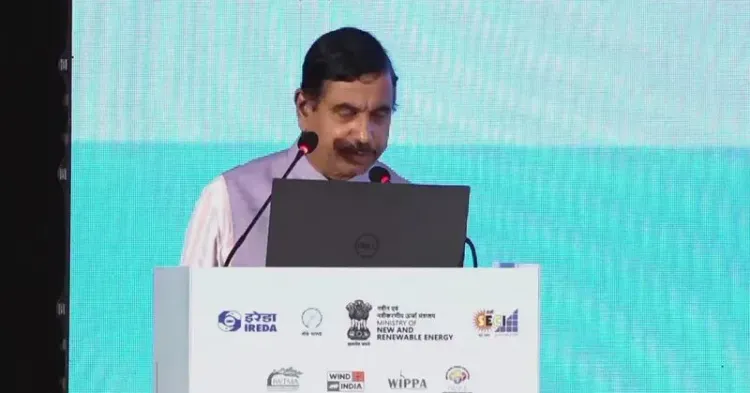
Union Consumer Affairs and New and Renewable Energy Minister Pralhad Joshi addressed the Global Wind Day 2026 event on Monday, 15 June 2026, using the annual international observance to signal the government's continued commitment to expanding India's wind energy capacity.
Context
Global Wind Day, observed every year on 15 June, is an international platform dedicated to raising awareness about wind power as a clean, renewable energy source. For India, the occasion carries particular weight: the country consistently ranks among the top five wind energy producers globally and has staked ambitious capacity targets as part of its climate commitments.
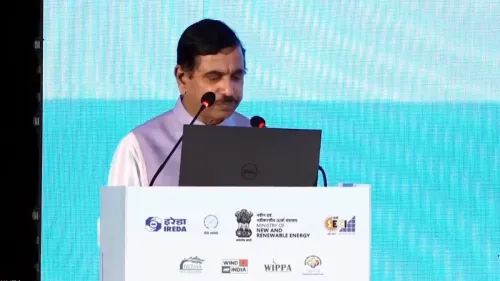
Minister Joshi, who holds charge of the Ministry of New and Renewable Energy (MNRE) alongside his consumer affairs portfolio, addressed the event live, underscoring the political priority the ruling dispensation places on the renewables sector.
Policy Backdrop
India's wind energy ambitions are anchored in a series of escalating commitments. At the 2015 Paris climate summit, India announced a target of 175 GW of renewable energy capacity by 2022. That same year, the government notified the National Offshore Wind Energy Policy to open up India's vast coastline to offshore wind development.
By COP26 in 2021, India raised the bar significantly, committing to 500 GW of non-fossil fuel capacity by 2030 as part of its updated Nationally Determined Contributions. Wind energy — both onshore and offshore — is expected to contribute a substantial share of that target alongside solar. The MNRE has been the nodal agency driving policy, auctions, and regulatory frameworks to attract investment into the sector.
Successive ministerial addresses at sector-specific observances like Global Wind Day have served as important signals to developers, equipment manufacturers, and international partners about the continuity of policy support, even as India continues to rely on coal for baseload power.
Stakeholders and Impact
Wind energy developers and renewable equipment manufacturers are the most directly affected stakeholders. Policy signals from the minister at high-visibility events like Global Wind Day can influence investment decisions, procurement timelines, and equipment manufacturing pipelines — particularly for the nascent offshore wind segment, which requires significant upfront capital.
India's installed wind capacity has grown steadily over the past decade, placing it among the world's leading wind markets. However, the pace of new capacity addition has at times lagged behind solar, making ministerial-level reaffirmations of wind-specific policy support significant for the industry.
State governments in wind-rich states such as Tamil Nadu, Gujarat, Rajasthan, Andhra Pradesh, and Karnataka are also key stakeholders, as land acquisition, grid connectivity, and state-level power purchase agreements remain critical enablers — and bottlenecks — for project execution.
What's Next
The wind sector will watch closely for any follow-up announcements on capacity auctions or offshore wind policy updates in the coming months. Parliamentary questions on renewable energy targets are expected during the monsoon session, which could provide further clarity on the government's progress toward its 500 GW by 2030 goal.
India's net-zero target of 2070, reaffirmed at successive climate summits, means the trajectory of wind energy policy will remain under sustained scrutiny from domestic industry, state governments, and international climate partners alike.
Point of View
Such ministerial-level visibility serves as a signal to developers and financiers that wind remains a policy priority alongside the more dominant solar segment. The address also fits a broader pattern of the BJP-led government deploying senior ministers at global climate platforms to reinforce India's image as a responsible climate actor, even as coal continues to anchor the country's energy mix. Any concrete policy announcements or auction timelines that follow will determine whether this address translates into on-ground momentum.
NationPress
15 Sept 2026
Frequently Asked Questions
What is Global Wind Day and why is it observed on 15 June?
Global Wind Day is an annual international observance on 15 June dedicated to promoting wind power as a clean energy source. It is used by governments, industry, and civil society worldwide to highlight the potential of wind energy in addressing climate change.
What is India's renewable energy target for 2030?
India has committed to achieving 500 GW of non-fossil fuel electricity capacity by 2030 , a pledge made at the COP26 climate summit in 2021 . Wind energy is expected to contribute significantly to this target alongside solar power.
Who is Pralhad Joshi and what ministry does he head?
Pralhad Joshi is a senior BJP leader from Karnataka who serves as Union Minister of Consumer Affairs, Food and Public Distribution, and Minister of New and Renewable Energy. He is the political head of the Ministry of New and Renewable Energy (MNRE) .
What is India's offshore wind energy policy?
India notified the National Offshore Wind Energy Policy in 2015 to facilitate the development of offshore wind projects along the country's coastline. The policy aims to tap India's significant offshore wind potential as part of broader renewable energy expansion.
What is India's net-zero emissions target?
India has committed to achieving net-zero carbon emissions by 2070 , a target announced at international climate forums. Expanding renewable energy capacity, including wind and solar, is central to this long-term goal.