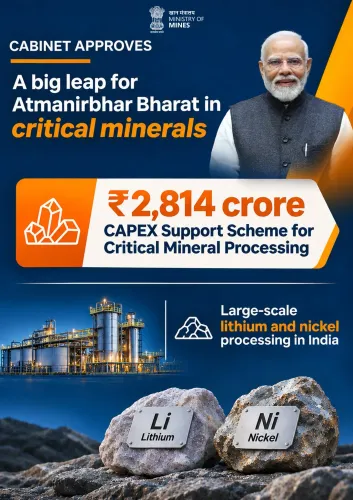
Cabinet Clears ₹2,814 Cr Scheme for Critical Mineral Processing
Synopsis
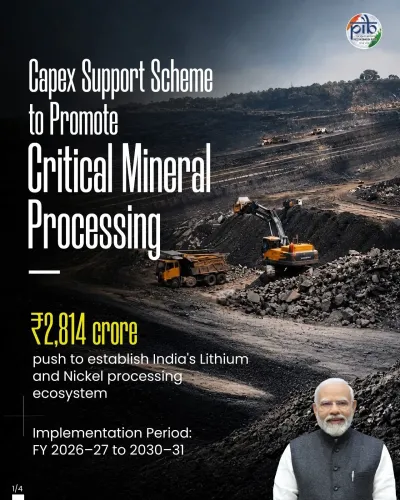
India's Union Cabinet approved a ₹2,814 crore capex support scheme for critical mineral processing spanning FY 2026-27 to 2030-31, extending the National Critical Mineral Mission into mid-stream refining and targeting reduced dependence on Chinese supply chains.
Key Takeaways
The Union Cabinet chaired by PM Narendra Modi approved a capex support scheme for critical mineral processing on 4 November 2026 .
The financial outlay is ₹2,814 crore over five years from FY 2026-27 to FY 2030-31 .
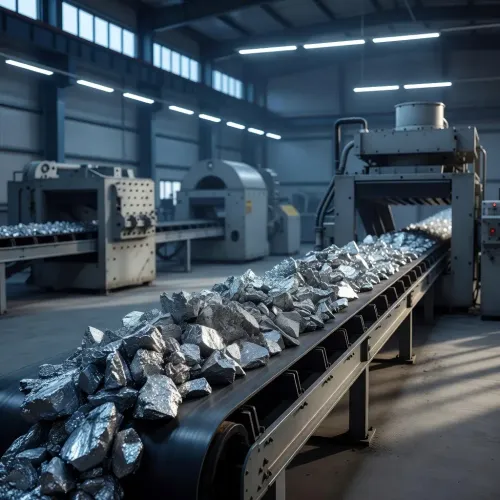
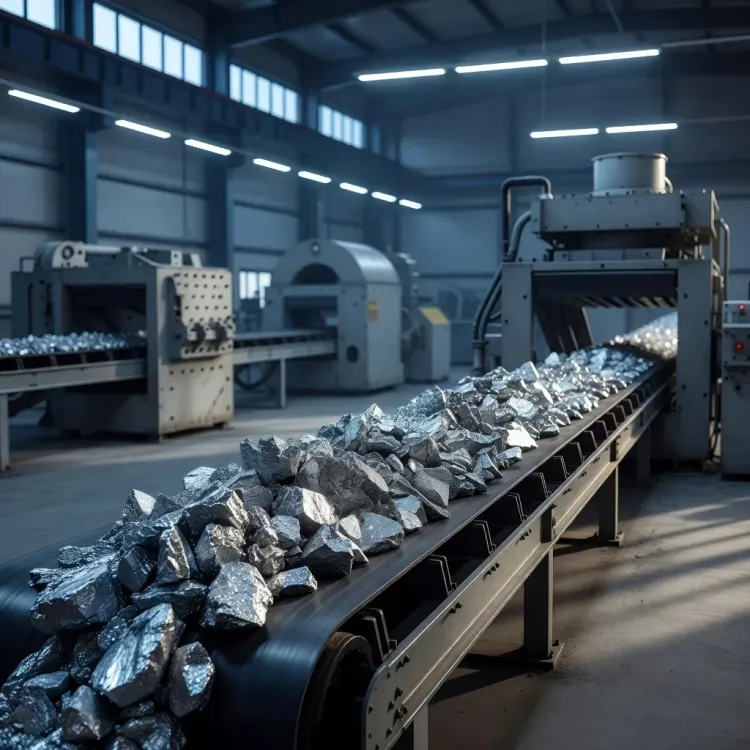
The scheme targets the mid-stream processing and refining gap — the step between mining and manufacturing inputs.
It builds on the Ministry of Mines' 2023 list of 30 critical minerals and the National Critical Mineral Mission launched in Budget 2024-25.
Key beneficiaries include EV battery makers, electronics firms, and the defence supply chain .
Detailed scheme guidelines and first project approvals are expected before the FY 2026-27 rollout .
India just placed a serious bet on owning the mid-stream. The Union Cabinet, chaired by Prime Minister Narendra Modi, on Wednesday, 4 November 2026, approved a capital expenditure support scheme for critical mineral processing worth ₹2,814 crore — spread over five years from FY 2026-27 to FY 2030-31. Union Minister Sarbananda Sonowal announced the decision on X, flagging it as a move toward 'strengthening India's critical mineral ecosystem.'
What ₹2,814 crore buys India in the minerals race
Critical minerals — think lithium, graphite, cobalt, and rare earth elements — are the hidden hardware of the energy transition. Every EV battery, every semiconductor, every precision defence system runs on them. For years, India mined some, imported more, and refined almost none domestically. That last gap is the one this scheme targets.
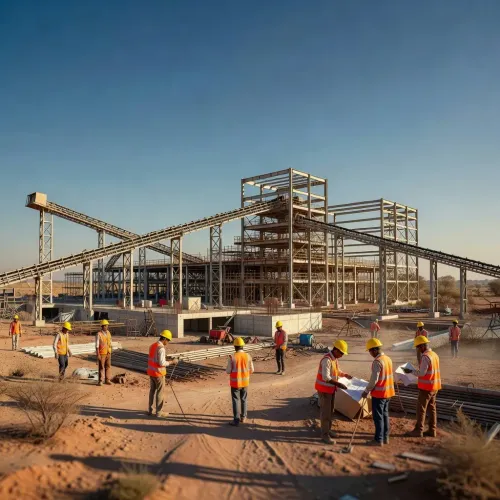
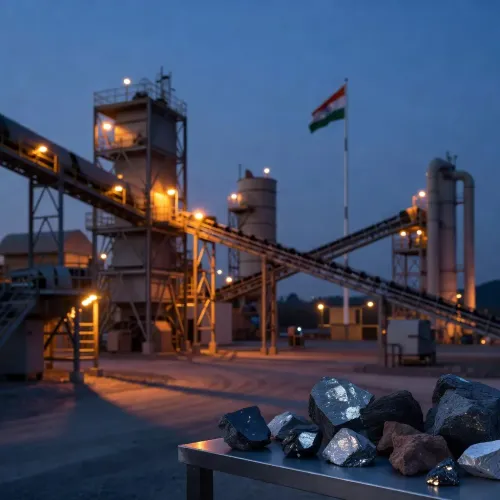
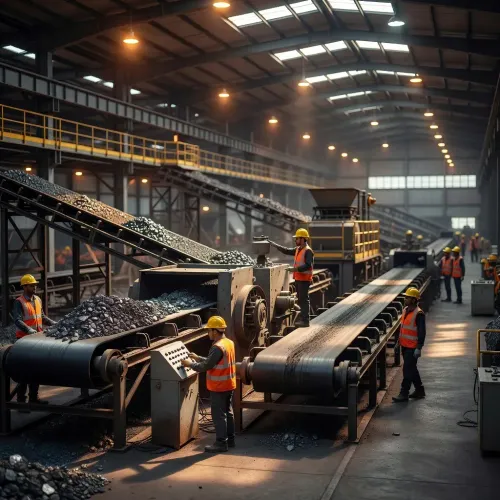
The capex support structure is designed to draw private investment into processing and refining facilities — the unglamorous but strategically decisive step between pulling ore from the ground and feeding it into a battery factory. Without domestic refining capacity, India stays dependent on external supply chains no matter how many mineral blocks it auctions at home or acquires abroad.
From the 2023 minerals list to a full processing push
This approval does not arrive in a vacuum. In 2023, the Ministry of Mines notified a list of 30 critical minerals — lithium, graphite, and rare earths prominent among them — to anchor policy and direct auction activity. The Union Budget 2024-25 then launched the National Critical Mineral Mission, placing domestic exploration, mining, and processing on a single strategic track. The new capex scheme is the latest, most concrete piece of that architecture: funding follows ambition.
Parallel moves have included amendments to the Mines and Minerals (Development and Regulation) Act, mineral block auctions targeting critical deposits, and the creation of Khanij Bidesh India Ltd (KABIL) to secure overseas assets in lithium-rich nations. The processing scheme now extends the logic downstream — from digging to refining, from raw material to value-added product.
Who stands to gain — and what comes next
Mining companies, EV battery manufacturers, electronics firms, and the defence supply chain are all watching the scheme's fine print closely. The strategic logic is explicit: cut import dependence — especially on China, which currently dominates global critical mineral refining — as part of the broader Atmanirbhar Bharat and energy-transition agenda.
The immediate milestones to track: detailed scheme guidelines, project selection criteria, and the first tranche of approvals ahead of the FY 2026-27 rollout. How fast India can commission domestic refining capacity will determine whether this ₹2,814 crore commitment translates into genuine supply-chain sovereignty — or remains a headline.
The geology is there. The policy scaffolding is building. The clock is running.
Point of View
The government is attempting vertical integration across the entire mineral value chain, not just headline mining targets. The five-year window aligns deliberately with India's EV adoption curve and the global push to diversify supply chains away from Chinese refiners. Whether the scheme's project selection criteria prioritise speed or domestic content requirements will signal how seriously New Delhi intends to close the refining gap.
NationPress
4 Nov 2026
Frequently Asked Questions
What is the critical mineral processing capex scheme approved by India's Cabinet?
It is a central government scheme providing capital expenditure support of ₹2,814 crore over five years (FY 2026-27 to 2030-31) to build domestic processing and refining capacity for critical minerals such as lithium, graphite, and rare earths.
Which minerals are covered under India's critical minerals policy?
The Ministry of Mines notified a list of 30 critical minerals in 2023, including lithium, graphite, cobalt, and various rare earth elements, to guide exploration, mining, and processing policy.
Why is critical mineral processing important for India?
India currently depends heavily on imports — especially from China — for refined critical minerals needed in EV batteries, electronics, and defence systems. Domestic processing capacity reduces this vulnerability and supports the Atmanirbhar Bharat agenda.
What is the National Critical Mineral Mission?
Launched in Union Budget 2024-25, the National Critical Mineral Mission is a government initiative to build end-to-end domestic capacity in critical mineral exploration, mining, and processing as part of India's energy-transition and supply-chain security strategy.
What comes next after the Cabinet approval of the critical mineral scheme?
Detailed scheme guidelines, project eligibility and selection criteria, and the first tranche of project approvals are expected to be released ahead of the FY 2026-27 rollout date.