Dr. Jitendra Singh flags Kishtwar under MoES focus
Synopsis
Union Minister Dr. Jitendra Singh has flagged Kishtwar, Jammu and Kashmir, in connection with the Ministry of Earth Sciences, pointing to likely new infrastructure or outreach activity in one of the Himalayas' most hazard-prone districts.
Key Takeaways
Jitendra Singh , Union Minister (Independent Charge) for Earth Sciences, posted on 3 November 2026 linking Kishtwar with the Ministry of Earth Sciences (MoES) .
Kishtwar is a high-risk district in Jammu and Kashmir , exposed to earthquakes, cloudbursts and glacial lake outburst floods.
The MoES , established in 2006 , is India's nodal body for meteorology, seismology, and atmospheric and polar sciences.
Ministerial social media activity of this kind typically accompanies facility inaugurations, scheme launches or regional outreach programmes in remote districts.
Strengthening earth observation and early-warning networks in Himalayan states is a stated national priority across successive governments.
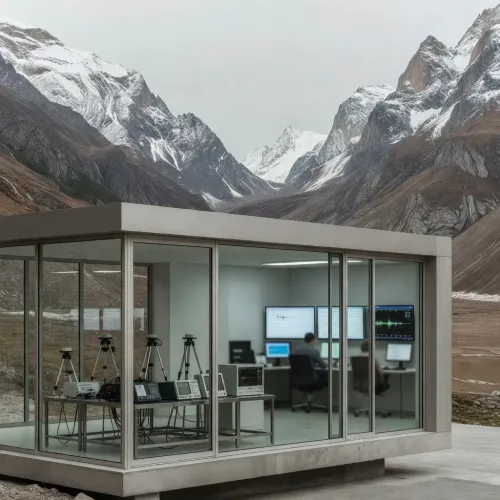
Follow-up announcements on new seismic observatories, automatic weather stations or research collaborations in Kishtwar are expected.
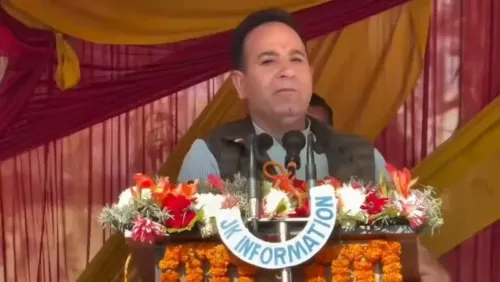
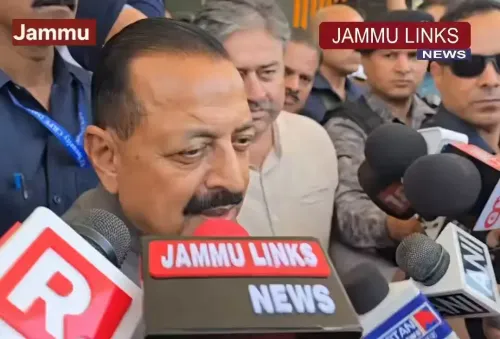
In the western Himalayan district of Kishtwar, Jammu and Kashmir, the Ministry of Earth Sciences (MoES) is drawing fresh ministerial attention — with Union Minister Dr. Jitendra Singh posting on Tuesday, 3 November 2026, linking the seismically sensitive district to the ministry's ongoing mandate.
Why Kishtwar sits at the centre of earth science concerns
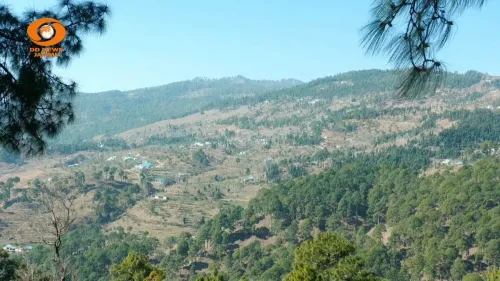
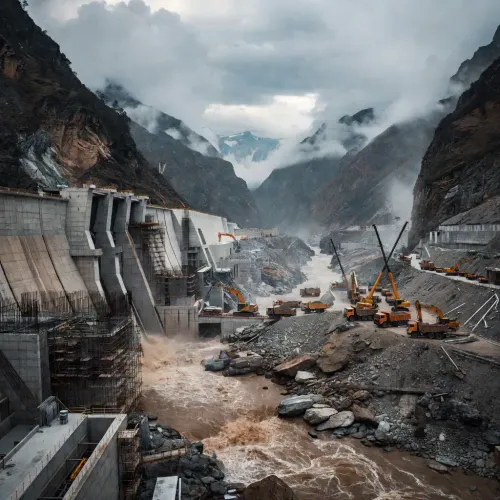
Kishtwar is no ordinary district. Nestled deep in the western Himalayas, it sits at the intersection of tectonic stress zones, making it vulnerable to earthquakes, cloudbursts, and glacial lake outburst floods — precisely the threats the Ministry of Earth Sciences was built to monitor and mitigate. The ministry, formed in 2006 by consolidating India's meteorological, seismological, and atmospheric science agencies, has increasingly extended its footprint into high-risk Himalayan districts as climate volatility intensifies.
MoES and the Himalayan early-warning push
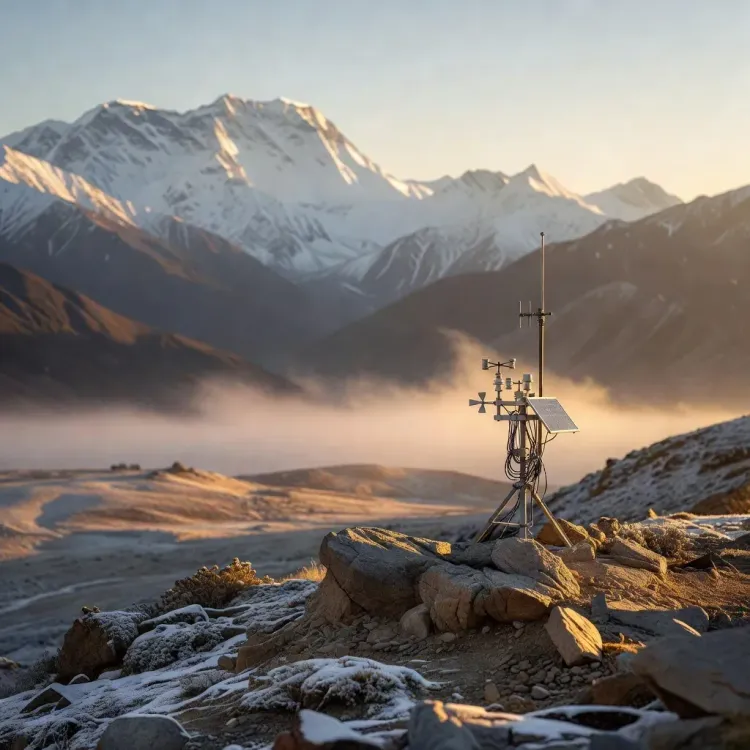
Successive governments have poured resources into strengthening earth observation networks across Jammu and Kashmir — automatic weather stations, seismic observatories, and real-time flood forecasting nodes among them. Kishtwar, remote and rugged, has historically been underserved by such infrastructure relative to its exposure to natural hazards. Ministerial engagement of this kind typically precedes or accompanies facility inaugurations, scheme launches, or regional outreach programmes designed to close that gap.
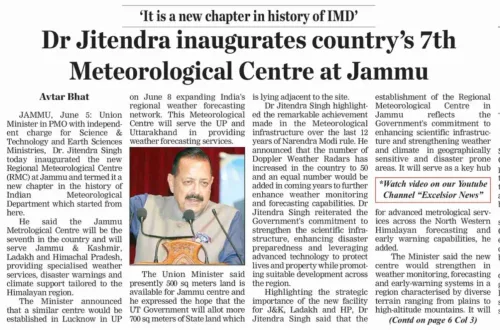
Dr. Singh holds independent charge of both the Science and Technology and Earth Sciences portfolios, alongside responsibilities in the Prime Minister's Office — a concentration of mandates that gives him direct authority over any new MoES installations or research collaborations in the region. His post, pairing Kishtwar with the MoES hashtag, signals a deliberate focus on the district within the ministry's operational calendar.
What the region's communities stand to gain
For local communities in Kishtwar, improved earth science infrastructure translates directly into lives protected — earlier warnings before a cloudburst, faster seismic alerts, and better data for disaster management authorities. The broader national pattern is clear: the more granular the observation network in the Himalayas, the sharper the forecast models that feed emergency responses across the entire northern belt.
Watch for follow-up announcements on specific installations — whether a new seismic node, an automatic weather station cluster, or a climate-resilience collaboration tied to this ministerial spotlight on Kishtwar.
Point of View
As climate-linked disasters have grown more frequent in the western Himalayas, gives the post a strategic as well as administrative logic. For the ministry, visibility in Kishtwar also reinforces its post-2019 expanded mandate in the newly reorganised union territory. Whether this translates into a hardware announcement or a policy programme, the signalling itself marks Kishtwar as a named priority within the MoES operational calendar.
NationPress
3 Nov 2026
Frequently Asked Questions
Why is Kishtwar important for the Ministry of Earth Sciences?
Kishtwar lies in a seismically active, climatically volatile zone of the western Himalayas, making it a priority location for earthquake monitoring, weather observation, and disaster early-warning systems managed by the MoES.
What does the Ministry of Earth Sciences do in Jammu and Kashmir?
The MoES operates automatic weather stations, seismic sensors and flood forecasting nodes across J&K, and runs regional outreach programmes to improve climate resilience in high-risk Himalayan communities.
Who is Dr. Jitendra Singh and what ministries does he handle?
Dr. Jitendra Singh is Union Minister of State (Independent Charge) for Science and Technology and Earth Sciences, and also holds responsibilities in the Prime Minister's Office and the Ministry of Personnel.
When was the Ministry of Earth Sciences created?
The Ministry of Earth Sciences was established in 2006 by consolidating the India Meteorological Department, the National Centre for Medium Range Weather Forecasting and allied agencies into a single integrated body.
What kind of projects can Kishtwar expect under MoES?
Likely interventions include new automatic weather stations, seismic observatories, real-time flood forecasting infrastructure, and climate-resilience research collaborations — the standard toolkit MoES deploys in high-risk Himalayan districts.