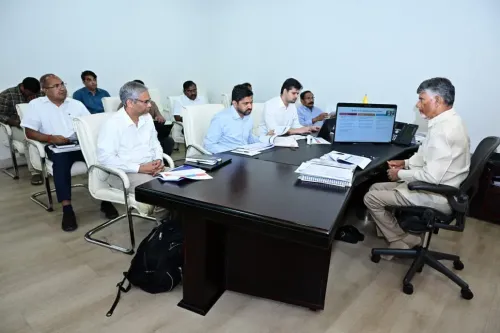
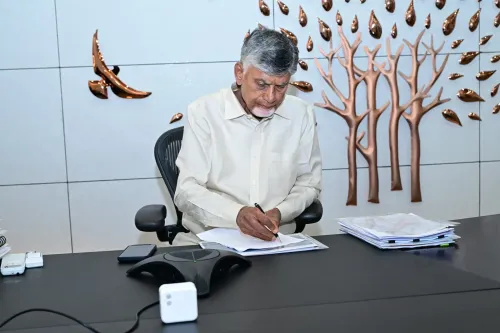
CM Chandrababu Reviews Cyclone Murasu Impact Across AP Districts
Synopsis
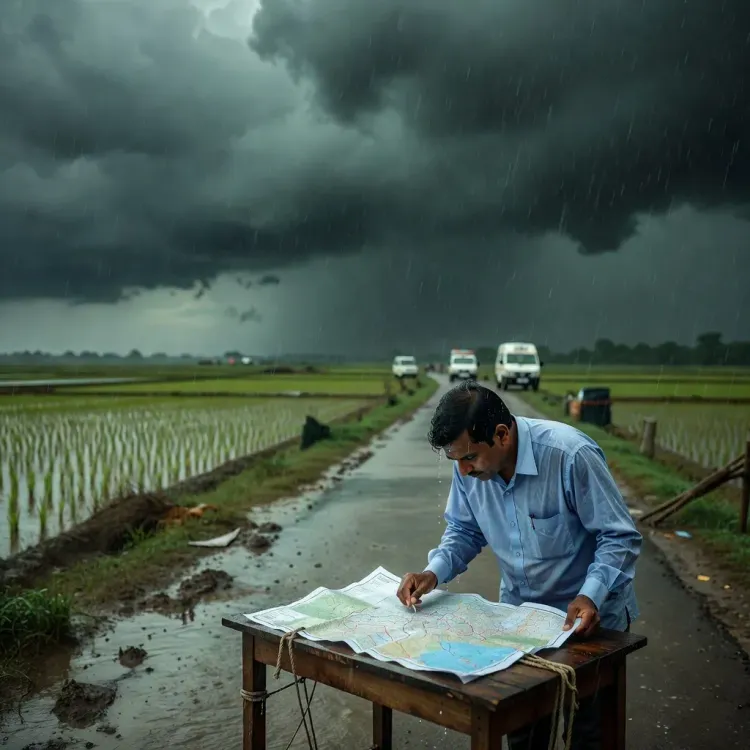
Chief Minister Nara Chandrababu Naidu is holding continuous review meetings as Cyclone Murasu drives heavy rainfall across Andhra Pradesh districts. Officials have been placed on high alert with forecasters warning of at least two more days of significant rain.
Key Takeaways
Cyclone Murasu is triggering widespread heavy rainfall across multiple districts of Andhra Pradesh as of 3 November 2026 .
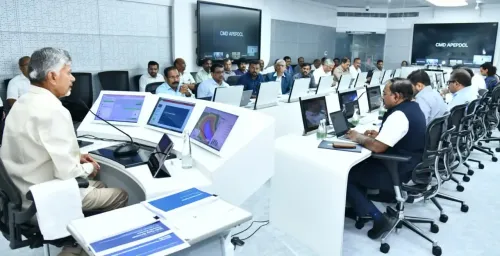
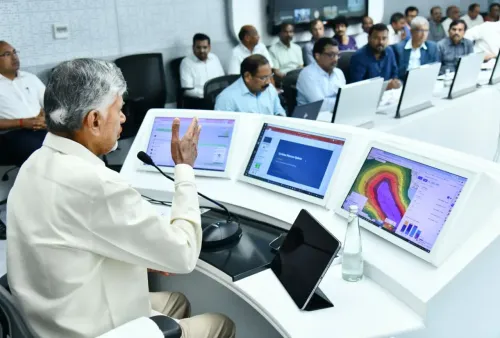
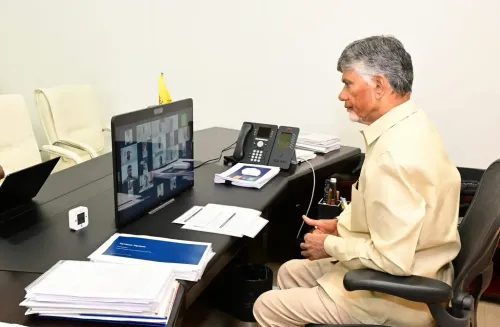
Chief Minister Nara Chandrababu Naidu is personally conducting continuous review meetings to monitor the situation.
Forecasters have indicated at least two more days of significant rainfall associated with the system.
District officials and administrative machinery have been placed on high alert by the Chief Minister.
Andhra Pradesh's long Bay of Bengal coastline makes it one of India's most cyclone-exposed states, with established disaster response protocols.
With Cyclone Murasu lashing several districts of Andhra Pradesh with heavy to very heavy rainfall, Chief Minister Nara Chandrababu Naidu has been conducting continuous review meetings and has placed officials on high alert — a signal the state is treating this as a live emergency, not a routine watch. The Chief Minister's Office of Andhra Pradesh announced the developments on Tuesday, 3 November 2026.
Nonstop Reviews as Murasu Bears Down
The CMO post, in Telugu, states that 'నిరంతరం సమీక్షలు నిర్వహిస్తున్నారు' — 'continuous reviews are being conducted' — by CM Naidu as the cyclone system pushes widespread rain across multiple districts. With forecasters indicating at least two more days of significant rainfall, the Chief Minister has directed district and revenue officials to remain on full alert throughout the period.
The language of the official communication is deliberate: it emphasises that the Chief Minister himself is anchoring the oversight, a framing that centralises administrative accountability at the top when ground-level response capacity is most stretched.
Andhra Pradesh's Long Reckoning With Cyclones
Andhra Pradesh carries one of India's longest and most cyclone-exposed coastlines, stretching along the Bay of Bengal. The state has faced repeated severe weather events — Cyclone Hudhud in 2014 remains a landmark moment in the state's disaster management history, causing devastating damage to Visakhapatnam and forcing a wholesale upgrade of pre-positioning and relief protocols under successive administrations.
That institutional memory matters here. The state's disaster management machinery — from the State Disaster Management Authority to district-level revenue and police forces — is designed to operate on standing orders the moment a cyclone warning is issued. High-level review meetings by the Chief Minister serve both an operational purpose and a communication function: they signal to district collectors and field teams that the command chain is watching.
What the Next 48 Hours Will Reveal
The two-day rainfall window flagged by the CMO is the critical near-term horizon. The questions that will define the response: which districts log the highest accumulations, whether any low-lying or coastal stretches require evacuations, and whether infrastructure — roads, drainage systems, and power supply — holds under sustained rainfall pressure.
Damage assessments, relief deployment orders, and any evacuation directives from district authorities are the immediate outputs to watch from the Naidu administration in the hours ahead.
Andhra Pradesh has faced this test before — the state's institutional playbook is established. Now comes the harder part: executing it district by district, hour by hour.
Point of View
And the CMO's real-time communication on X is part of that modern accountability architecture. The two-day rain window is the immediate pressure test; how the state manages district-level response, particularly in the most rainfall-exposed coastal and delta zones, will shape the post-event narrative for the Naidu administration.
NationPress
3 Nov 2026
Frequently Asked Questions
What is Cyclone Murasu and which areas of Andhra Pradesh are affected?
Cyclone Murasu is an active weather system impacting Andhra Pradesh as of early November 2026, bringing heavy to widespread rainfall across several districts of the state. Specific district names were not listed in the official CMO post.
What is CM Chandrababu Naidu doing about Cyclone Murasu?
Chief Minister Nara Chandrababu Naidu is conducting continuous review meetings to monitor the cyclone's impact and has directed officials across affected districts to remain on high alert for at least the next two days.
How many more days will it rain in Andhra Pradesh due to Cyclone Murasu?
The Chief Minister's Office has indicated that heavy rainfall is likely to continue for at least two more days from the time of the announcement on 3 November 2026.
Has Andhra Pradesh faced major cyclones before?
Yes. Andhra Pradesh has a history of severe cyclonic events due to its long Bay of Bengal coastline. Cyclone Hudhud in 2014 was among the most damaging in recent memory, causing widespread destruction in Visakhapatnam and prompting upgrades to state disaster management protocols.
What should residents in Andhra Pradesh do during Cyclone Murasu?
The state government has placed officials on high alert. Residents in low-lying and coastal areas should follow directions from local district authorities, avoid flooded roads, and monitor official government advisories for any evacuation orders.