Iran blocks US nuclear talks until MoU terms met, says Qalibaf
Synopsis
Iran's chief negotiator has drawn a hard line: no final nuclear deal with the US until five specific MoU provisions — including lifting a naval blockade and releasing frozen assets — are fulfilled. Even as Trump expresses optimism ahead of Doha talks, Tehran is making clear the diplomatic road has conditions attached.
Key Takeaways
Mohammad Baqer Qalibaf , head of Iran's negotiating team, said on 1 July 2025 that Iran will not advance to a final agreement unless five MoU provisions are implemented first.
Iran's five preconditions include ending the war in Lebanon , lifting the US naval blockade , reopening the Strait of Hormuz , issuing oil export waivers, and releasing frozen Iranian assets .
Iran , the US , and Lebanon have agreed to form a joint ceasefire enforcement committee; Iran and the US have already named their representatives.
US President Donald Trump confirmed talks in Doha were scheduled for Tuesday , saying Iran had agreed not to acquire a nuclear weapon.
The peace MoU was signed on 18 June ; technical negotiations in Switzerland began on 22 June , mediated by Pakistan and Qatar .
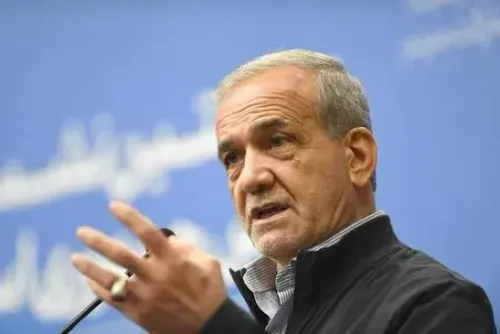
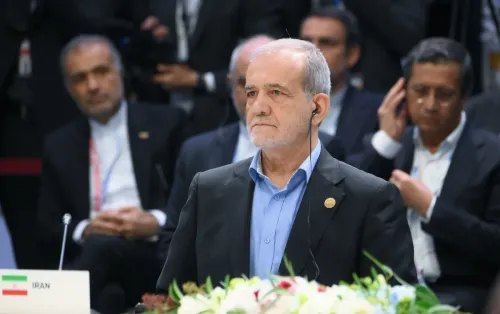
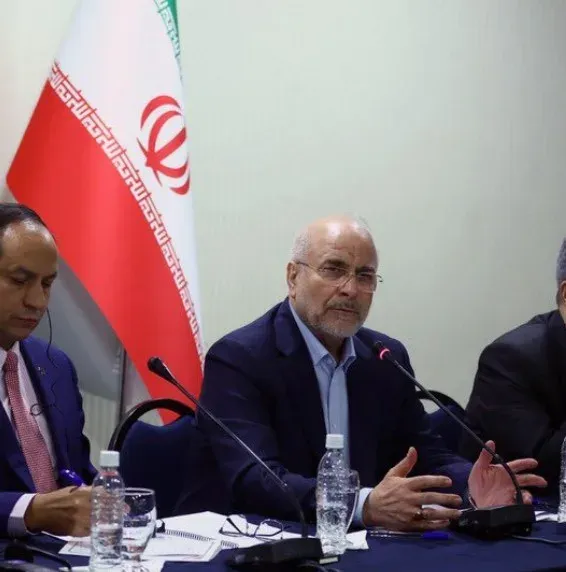
Iranian Parliament Speaker Mohammad Baqer Qalibaf, who also heads Iran's negotiating team, stated on 1 July 2025 that Tehran will not proceed to a final agreement with Washington unless five specific provisions of a recently signed peace memorandum of understanding (MoU) are first implemented. The declaration marks a firm precondition from Iran as diplomatic activity between the two countries intensifies.
Iran's Five Preconditions
Speaking in an interview with state-run IRIB TV, Qalibaf outlined the conditions Iran expects to see fulfilled before substantive negotiations can advance. These include ending the war on all fronts — including in Lebanon — lifting the US naval blockade, reopening the Strait of Hormuz, issuing US waivers for Iranian crude oil exports, and releasing frozen Iranian assets.
'Unless these five preliminary paragraphs are fulfilled, the other paragraphs' implementation will not begin,' Qalibaf said. He added that Iran's recent visit to Switzerland was specifically aimed at advancing the MoU's implementation on these fronts.
Lebanon Ceasefire Committee Takes Shape
Qalibaf also disclosed that Iran, the United States, and Lebanon have agreed to form a joint committee to enforce the ceasefire, bring the conflict in Lebanon to a close, and uphold Lebanese sovereignty. He noted that two of the three parties — Iran and the United States — have already named their respective representatives to the committee.
He underscored Tehran's dual-track posture, saying Iran 'both pursues the path of dialogue and responds with force wherever necessary.'
Trump Expresses Cautious Optimism Ahead of Doha Talks
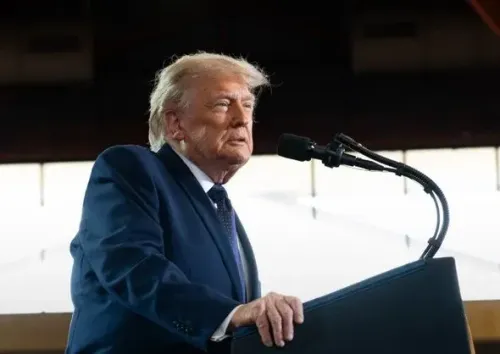
Meanwhile, US President Donald Trump said Iran had agreed not to acquire a nuclear weapon, expressing confidence that Washington was making progress both diplomatically and militarily. Speaking from the Oval Office before signing a presidential memorandum on vehicle repairs, Trump confirmed that US officials were already travelling to Qatar for talks scheduled for Tuesday.
'There'll be a meeting on that tomorrow, in Doha... we'll see how that goes,' Trump said. 'The meeting in Doha is going to be perhaps important, perhaps not. We're going to find out.'
Trump struck an optimistic tone, saying the US had gained the upper hand following recent military action against Iran's nuclear programme — though he stopped short of detailing the nature of that action.
Timeline of the Diplomatic Process
The current diplomatic track has moved quickly. On 18 June, Iran and the United States signed the peace MoU on ending regional hostilities. By 21 June, high-level consultations took place between Iranian and US delegations in Switzerland, mediated by Pakistan and Qatar. Technical negotiations between the two sides commenced the following day, on 22 June.
The Doha meeting, if productive, could determine whether the diplomatic window remains open or whether Iran's preconditions become a hard barrier to any final deal.
Point of View
Tehran is structurally slowing a process that Washington appears eager to accelerate. Trump's Oval Office optimism and Iran's precondition list are not yet in the same conversation. The inclusion of the Strait of Hormuz and frozen assets alongside the Lebanon ceasefire suggests Iran is bundling regional leverage into what the US may have hoped would be a narrower nuclear file. Whether Doha produces a bridging formula or exposes that gap will be the real story.
NationPress
29 Sept 2026
Frequently Asked Questions
Why is Iran refusing to enter final nuclear talks with the US?
Iran has stated it will not proceed to a final agreement until five specific provisions of a peace MoU — signed on 18 June — are implemented. These include ending the war in Lebanon, lifting the US naval blockade, reopening the Strait of Hormuz, issuing oil export waivers, and releasing frozen Iranian assets.
Who is Mohammad Baqer Qalibaf and what is his role?
Mohammad Baqer Qalibaf is the Speaker of the Iranian Parliament and also heads Iran's negotiating team in talks with the United States. He made the precondition statement in an interview with state-run IRIB TV on 1 July 2025.
What did President Trump say about the Iran nuclear talks?
Speaking from the Oval Office, Trump said Iran had agreed not to acquire a nuclear weapon and expressed cautious optimism about progress both diplomatically and militarily. He confirmed US officials were travelling to Doha for talks scheduled on Tuesday.
What is the Iran-US peace MoU and when was it signed?
The peace MoU is a memorandum of understanding between Iran and the United States aimed at ending regional hostilities. It was signed on 18 June, with technical negotiations beginning in Switzerland on 22 June, mediated by Pakistan and Qatar.
What is the significance of the Doha talks?
The Doha meeting is the next scheduled diplomatic engagement between Iran and the United States following the Switzerland technical talks. It is seen as a potential inflection point — either bridging the gap on Iran's preconditions or confirming the two sides remain far apart on sequencing.