Iran-US MoU talks: 14-clause deal could end war in 60 days, says Tehran
Synopsis
Iran has confirmed it is finalising a 14-clause MoU with the United States that could produce a final war-ending agreement within 60 days of signing — with Pakistan serving as the key go-between. The nuclear issue is being kept off the table for now, and Tehran says the next three to four days will be decisive.
Key Takeaways
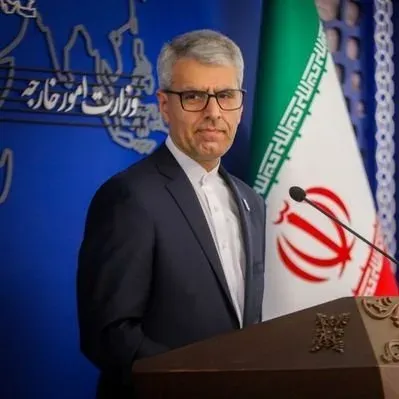
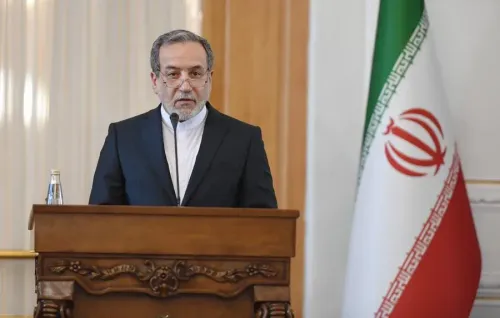
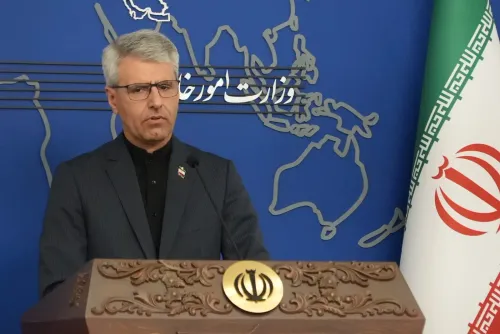
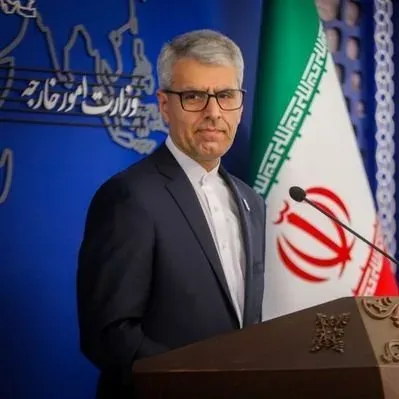
Iranian Foreign Ministry spokesman Esmaeil Baghaei confirmed on 24 May that Iran and the US are finalising a 14-clause MoU to end the war.
A final agreement could follow within 30 to 60 days of the MoU being formally signed.
Key MoU issues include the cessation of US maritime attacks and the release of Iranian frozen assets .
Pakistan — represented by Army Chief Asim Munir and Interior Minister Mohsin Naqvi during a 23 May Tehran visit — is named as the principal mediator.
Iran's nuclear programme is not part of the current peace talks.
The ceasefire between Iran, the US, and Israel took effect on 8 April after 40 days of conflict; one prior round of talks in Islamabad on 11–12 April failed to yield a deal.
Iranian Foreign Ministry spokesman Esmaeil Baghaei confirmed on Saturday, 24 May that Tehran and Washington are actively working to finalise a memorandum of understanding (MoU) aimed at formally ending the ongoing conflict — a document he described as comprising 14 clauses that could lead to a final agreement within 30 to 60 days of the MoU being signed.
What the MoU Covers
'At this stage, our focus is on ending the imposed war,' Baghaei said, speaking to state-run IRIB news agency. He outlined that the MoU addresses the cessation of US maritime attacks — referred to by Washington as a naval blockade — as well as the release of Iranian frozen assets. Crucially, Baghaei clarified that the 30-to-60-day window for reaching a final agreement will only begin once the MoU itself is formally agreed upon.
'The issues that are being discussed are focused on ending the war on all fronts, including Lebanon,' he said, signalling that the scope of the proposed deal extends beyond a bilateral ceasefire.
Pakistan's Role as Mediator
Baghaei's remarks came a day after a high-level Pakistani delegation visited Tehran on Friday, 23 May, comprising Army Chief Asim Munir and Interior Minister Mohsin Naqvi. The Iranian spokesman explicitly named Pakistan as the principal mediator, crediting it with an 'important role' in sustaining the channel of communication between the two sides. Over recent weeks, both nations have reportedly exchanged several proposed frameworks for ending the conflict through Pakistani mediation.
Background: From Ceasefire to Negotiations
Iran, the United States, and Israel reached a ceasefire on 8 April after 40 days of fighting that began with US and Israeli strikes on Iran on 28 February. Following the truce, Iranian and US delegations held one round of direct peace talks in Islamabad on 11 and 12 April, which failed to produce an agreement. The current MoU process represents the next structured attempt to translate the ceasefire into a durable settlement.
Nuclear Issue Kept Separate
Notably, Baghaei stated that Iran's nuclear programme is not a focus of the current peace talks. This is a significant carve-out — separating the war-termination track from the longer-standing dispute over Tehran's nuclear ambitions, which has its own diplomatic timeline. 'We should wait and see what will happen within the next three to four days,' he added, suggesting a near-term decision point on the MoU's status.
What Comes Next
If the MoU is formally agreed, the subsequent 30-to-60-day negotiation period would address the remaining conditions for a comprehensive end to hostilities. The coming days — described by Baghaei as critical — will determine whether both sides can bridge outstanding differences and formally activate that timeline.
Point of View
Effectively splitting a problem that the US and Israel have long insisted must be resolved together. Pakistan's elevation as principal mediator is also worth scrutinising: Islamabad gains significant regional leverage from this role at a moment when it faces its own domestic pressures, and its interests do not perfectly align with either Washington's or Tehran's. The 30-to-60-day clock, which has not yet started, gives both sides room to manoeuvre — or to stall.
NationPress
19 Sept 2026
Frequently Asked Questions
What is the Iran-US MoU to end the war?
It is a proposed 14-clause memorandum of understanding being negotiated between Iran and the United States, aimed at formally ending the conflict that followed US and Israeli strikes on Iran in February 2025. Once signed, it would trigger a 30-to-60-day period to reach a comprehensive final agreement.
What are the key issues covered in the MoU?
According to Iranian Foreign Ministry spokesman Esmaeil Baghaei, the MoU addresses the cessation of US maritime attacks (described by Washington as a naval blockade), the release of Iranian frozen assets, and ending hostilities on all fronts including Lebanon. Iran's nuclear programme is not part of these talks.
What role is Pakistan playing in Iran-US peace talks?
Pakistan has been named by Iran as the principal mediator, facilitating the exchange of messages and proposals between Tehran and Washington. A Pakistani delegation including Army Chief Asim Munir and Interior Minister Mohsin Naqvi visited Tehran on 23 May as part of this mediation effort.
When did the Iran-US-Israel ceasefire begin?
A ceasefire between Iran, the United States, and Israel came into effect on 8 April, ending 40 days of fighting that began with US and Israeli strikes on Iran on 28 February. One subsequent round of direct peace talks in Islamabad on 11–12 April failed to produce an agreement.
How soon could a final deal be reached?
Iranian spokesman Baghaei said a final agreement could be reached within 30 to 60 days — but that window only begins once the MoU itself is formally agreed upon. He indicated the next three to four days would be critical in determining the MoU's fate.