US-Iran peace MoU stalls over frozen assets, naval blockade clauses
Synopsis
A fragile post-war peace process between the US and Iran is hitting a wall. Despite a ceasefire brokered in April, Washington is reportedly blocking key clauses of a draft MoU — including Iran's frozen assets and the naval blockade — raising the real possibility that the agreement could collapse before it is ever signed.
Key Takeaways
The US is reportedly blocking specific clauses of a draft 14-clause MoU with Iran , according to Tasnim news agency on 25 May .
Disputed provisions include the release of Iran's frozen assets and the cessation of US maritime operations .
Iran has warned it will not retreat from its red lines; cancellation of the MoU remains a stated possibility.
Iranian spokesman Esmaeil Baghaei said a final agreement could come within 30 to 60 days .
A prior round of peace talks in Islamabad on 11–12 April also failed to yield a deal.
The ceasefire between Iran , the US , and Israel was reached on 8 April after 40 days of conflict.
The United States is still refusing to accept certain clauses of a potential memorandum of understanding (MoU) with Iran aimed at formally ending the war between the two nations, according to Tasnim, Iran's semi-official news agency. The reported deadlock, disclosed on 25 May, centres on contentious issues including the release of Iran's frozen assets and the cessation of US maritime operations.
Key Sticking Points
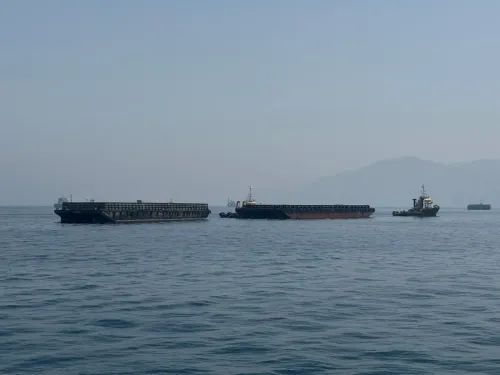
Tasnim, citing information obtained by its reporter, said that despite talks held between the two sides on Sunday, Washington continues to obstruct specific clauses of the draft MoU. Among the most disputed provisions are the release of Iran's frozen assets and what Iranian officials describe as a US naval blockade. The agency also cautioned that there remains a possibility the MoU could be cancelled altogether.
Iranian officials have been unequivocal about their position. Iran has stressed it will not retreat from its 'red lines' in protecting the rights of its people, according to the report.
What Iran Has Proposed
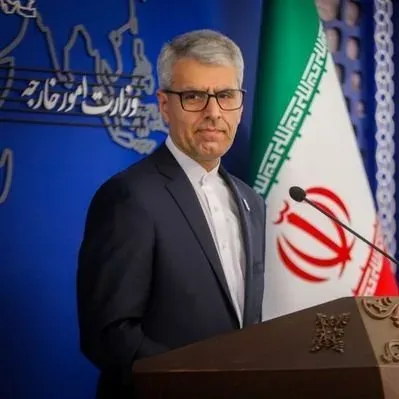
On Saturday, Iranian Foreign Ministry spokesman Esmaeil Baghaei told state-run IRIB TV that both sides are working to finalise a framework agreement. 'At this stage, our focus is on ending the imposed war,' Baghaei said, adding, 'Our intention has been to firstly agree on an MoU consisting of 14 clauses.'
Baghaei indicated that Tehran and Washington could reach a final agreement 'within a period of 30 to 60 days.' He specified that the major topics under negotiation include 'the cessation of US maritime attacks, or naval blockade as they themselves call it, and other issues pertaining to the release of Iranian frozen assets.'
Background: Ceasefire and Stalled Talks
Iran, the United States, and Israel reached a ceasefire on 8 April after 40 days of fighting that began with US and Israeli strikes on Iran on 28 February. Following the truce, delegations from both sides convened for one round of peace negotiations in Islamabad, Pakistan on 11 and 12 April — talks that ultimately failed to produce an agreement.
This is the second known impasse in the post-ceasefire diplomatic process, and it signals that bridging the gap between the two sides' positions remains significantly more complex than the initial truce suggested.
What Comes Next
The fate of the 14-clause MoU now hinges on whether Washington and Tehran can narrow their differences before the 30-to-60-day window cited by Baghaei closes. Analysts note that the frozen assets question — a perennial flashpoint in US-Iran relations — has historically been among the hardest issues to resolve. Any further delay risks unravelling the fragile ceasefire architecture put in place in April.
Point of View
And its reappearance at the centre of these MoU talks suggests the ceasefire was easier to achieve than the peace it was meant to enable. The 14-clause framework sounds procedurally tidy, but each clause is a political landmine: maritime operations touch US military posture in the region, while frozen assets intersect with sanctions architecture that Washington cannot dismantle unilaterally. The 30-to-60-day window Baghaei cited is optimistic given that one round of talks in Islamabad already collapsed. The real risk is that the ceasefire holds in name while the underlying conflict — economic, naval, diplomatic — continues by other means.
NationPress
9 Oct 2026
Frequently Asked Questions
Why are US-Iran peace MoU talks stalled?
The talks are stalled because the US is reportedly refusing to accept certain clauses of the draft MoU, particularly those related to the release of Iran's frozen assets and the cessation of US maritime operations. Iran has said it will not abandon its red lines on these issues.
What is the 14-clause MoU between the US and Iran?
It is a proposed memorandum of understanding aimed at formally ending the war between the two countries following the April 2025 ceasefire. Iranian Foreign Ministry spokesman Esmaeil Baghaei described it as a framework covering 14 clauses, including the lifting of the naval blockade and the release of Iranian frozen assets.
When did the US-Iran-Israel ceasefire take effect?
The ceasefire among Iran, the United States, and Israel came into effect on 8 April, ending 40 days of fighting that began with US and Israeli strikes on Iran on 28 February.
What happened at the Islamabad peace talks?
Iranian and US delegations held one round of peace negotiations in Islamabad, Pakistan on 11 and 12 April, following the ceasefire. Those talks failed to produce an agreement, making the current MoU negotiations the second attempt at a formal settlement.
What is Iran's position on the MoU deadline?
Iranian Foreign Ministry spokesman Esmaeil Baghaei said Tehran and Washington could reach a final agreement within 30 to 60 days. However, Iran has simultaneously warned that it will not back down from its red lines, and Tasnim has reported that cancellation of the MoU remains a possibility.