Iran's Palestine rhetoric vs reality: The gap four decades reveal
Synopsis
Four decades of Quds Day speeches, proxy funding, and 'resistance' slogans — yet when Ismail Haniyeh was killed inside Tehran in 2024, Iran's retaliation was carefully managed to avoid war. The gap between Iran's Palestine rhetoric and its actual strategic conduct has never been more visible, raising a pointed question: is Palestine Iran's cause, or its cover?
Key Takeaways
Iran has championed the Palestinian cause rhetorically for over four decades , marking annual Quds Day rallies and funding groups like Hamas and Palestinian Islamic Jihad .
Gaza has repeatedly been absent from Iran's own diplomatic negotiations, which focus instead on sanctions, nuclear issues, and regional deterrence.
The 2024 assassination of Hamas chief Ismail Haniyeh in Tehran drew vows of retaliation that were ultimately calibrated to avoid direct conflict with Israel and the United States .
Iran's strongest regional partner remains Hezbollah in Lebanon , which is tied directly to Iranian national security — unlike Palestinian groups, which serve broader influence goals.
Critics across the Middle East argue that Palestinian suffering has often been invoked rhetorically while remaining secondary to Iranian strategic priorities.
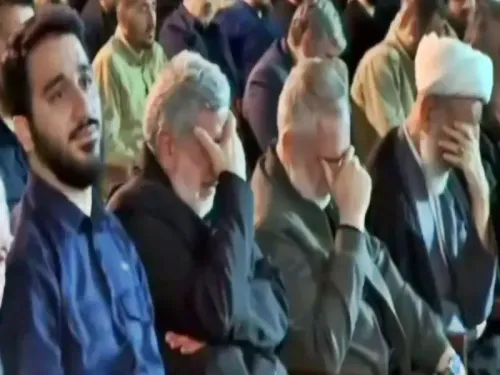
For more than four decades, the Islamic Republic of Iran has positioned itself as the foremost champion of the Palestinian cause. Tehran annually marks Quds Day with speeches denouncing Israel, senior Iranian officials routinely describe Palestine as the 'central issue' of the Muslim world, and backing for Palestinian armed groups has been a foundational pillar of Iran's revolutionary identity. Yet a widening gap between that rhetoric and Iran's actual strategic conduct has become increasingly difficult to ignore.
Rhetoric and Restraint: A Visible Contradiction
The months following the Israel-Hamas war have laid bare a striking inconsistency. While Iran has remained willing to arm proxies, issue forceful statements, and champion the language of 'resistance,' it has exercised notable restraint whenever its own national interests faced direct threat. Tehran continues to provide political backing and has long been associated with military and financial support for organisations such as Hamas and Palestinian Islamic Jihad. However, critics argue there is a growing chasm between symbolic leadership of the Palestinian cause and any readiness to bear real military costs in its defence.
A useful lens for understanding Iran's posture comes from an old Middle Eastern proverb: 'Raise your voice, but keep your sword sheathed until your own house is threatened.' Whether or not Iranian policymakers would frame it this way, recent conduct closely mirrors this logic.
Gaza's Absence from Iran's Diplomatic Calculus
Whenever de-escalation efforts involving Iran emerge, the conversation typically expands to encompass Lebanon and Hezbollah — Tehran's most powerful regional deterrent. Yet one question remains conspicuously absent from those discussions: Gaza.
If Iran genuinely regards Palestine as its foremost regional priority, one would expect Tehran to insist that any broader regional understanding include meaningful pressure to curtail Israeli military operations in Gaza, humanitarian guarantees, or political concessions for Palestinians. Instead, Gaza has repeatedly remained peripheral to negotiations concerning Iran's own strategic interests. Countries negotiate hardest over what they consider vital to national security. Iran has consistently bargained over sanctions, nuclear issues, and regional influence. Palestine, despite its prominent place in official speeches, has rarely appeared as an indispensable condition for Iranian diplomatic engagement.
The Haniyeh Assassination: A Symbolic Rupture
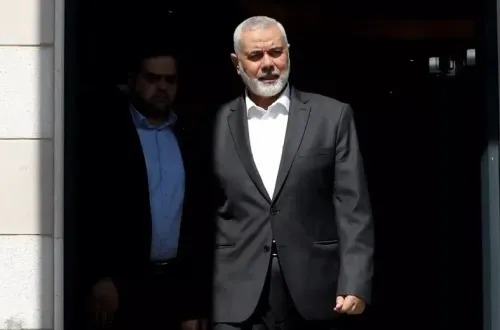
Perhaps no episode illustrates this contradiction more starkly than the killing of Hamas political chief Ismail Haniyeh in Tehran in 2024. The assassination of one of Iran's closest Palestinian partners inside the Iranian capital represented not merely an intelligence failure but a symbolic blow to Iran's self-proclaimed role as protector of the 'Axis of Resistance.'
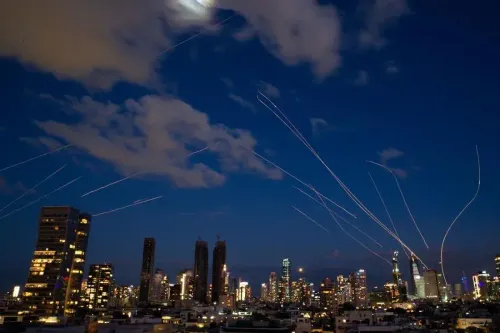
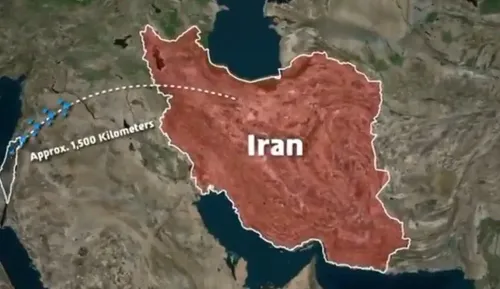
Iran vowed retaliation. The rhetoric was unambiguous. The eventual response, however, was carefully calibrated to avoid triggering an uncontrollable regional war. Tehran sought to preserve deterrence while simultaneously demonstrating a strong desire to prevent direct military escalation with Israel and the United States. For Palestinians watching from Gaza, the contrast was difficult to overlook: the capital of their self-declared guardian had been penetrated, yet Iran's broader strategic calculus remained centred on its own security rather than Palestinian objectives.
Hezbollah vs Hamas: Iran's Hierarchy of Priorities
Iran's regional strategy has never rested solely on Palestinian groups. Its strongest and most sophisticated partner has consistently been Hezbollah in Lebanon. Unlike Hamas, Hezbollah provides Iran with strategic depth directly on Israel's northern border, possesses far greater military capabilities, and serves as a central element of Iran's deterrence architecture. That explains why developments involving Hezbollah routinely receive greater strategic attention in Tehran than those unfolding in Gaza.
For Iran, Hezbollah is an asset tied directly to national security. Palestinian groups, by contrast, have often functioned as instruments of broader regional influence rather than ends in themselves — a distinction that reveals much about where Palestine actually sits in Iran's order of priorities.
Ideology vs Survival: A Pattern Across History
History repeatedly demonstrates that states ultimately prioritise survival over ideology. The Soviet Union supported revolutionary movements across continents but abandoned numerous allies once geopolitical priorities shifted. The United States has similarly restructured alliances when strategic interests demanded it. Iran is no exception. Despite revolutionary slogans, Iranian policymakers operate according to familiar principles of statecraft — calculating costs, assessing risks, and avoiding actions that could threaten regime survival.
That calculus explains why Iran has generally stopped short of entering a full-scale conventional war with Israel over Gaza, despite enormous civilian suffering and repeated declarations of solidarity with Palestinians. The leadership appears to have concluded that preserving the Islamic Republic outweighs military intervention on behalf of Palestinians. From a realist perspective, that is an unsurprising calculation. From the standpoint of Iran's own revolutionary narrative, however, it exposes an uncomfortable inconsistency.
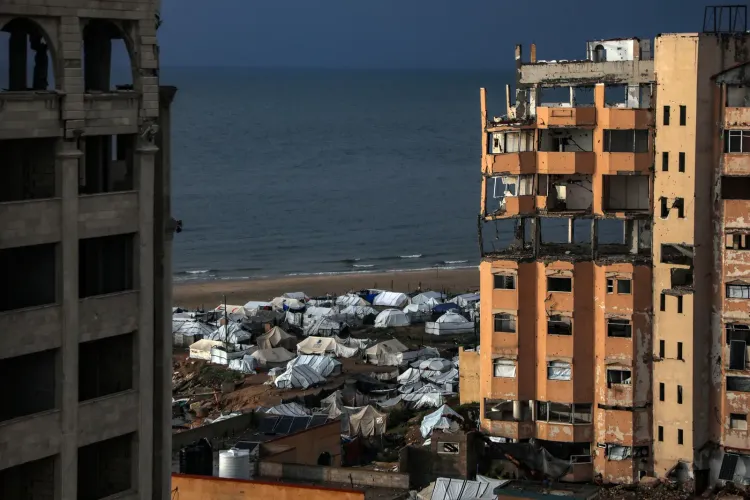
Many across the Middle East increasingly distinguish between supporting the Palestinian cause and advancing Iranian regional ambitions. Arab public opinion remains deeply sympathetic toward Palestinians while simultaneously questioning whether Tehran's policies primarily serve Palestinian interests or Iranian geopolitical influence. According to analysts, Palestinian suffering has often been invoked rhetorically while remaining secondary whenever Iranian national priorities collide with Palestinian needs.
The evidence suggests Iran is prepared to support Palestinians up to the point where doing so does not fundamentally endanger its own strategic position. Beyond that threshold, caution replaces confrontation. The disappointment, observers note, stems from the gap between expectations built by decades of revolutionary rhetoric and the more restrained conduct visible during moments of greatest crisis. For Palestine, the lesson is a sobering one: powerful narratives rarely outlast even more powerful national interests.
The views expressed in this article are those of Dr Shujaat Ali Quadri, National Convener of the Muslim Youth Organisation of India, and are personal.
Point of View
The 'guardian of Palestine' framing is difficult to sustain. What mainstream coverage often misses is that this is not hypocrisy in the conventional sense — it is rational statecraft dressed in ideological clothing. The more consequential question is whether Palestinian factions, having watched Tehran prioritise regime survival over Gaza repeatedly, will recalibrate their own reliance on Iranian patronage. The answer to that question will shape the next phase of Palestinian political strategy far more than any ceasefire deal.
NationPress
9 Jul 2026
Frequently Asked Questions
What is the gap between Iran's Palestine rhetoric and its actual strategy?
Iran publicly champions the Palestinian cause through annual Quds Day rallies and support for groups like Hamas, but has consistently avoided military escalation with Israel whenever its own national security is at stake. The gap between these declarations and Iran's calibrated conduct — especially after the 2024 killing of Hamas chief Ismail Haniyeh in Tehran — has drawn widespread criticism.
Why was the killing of Ismail Haniyeh in Tehran significant?
Ismail Haniyeh, the Hamas political chief, was assassinated in Tehran in 2024, representing both an intelligence failure and a symbolic blow to Iran's image as protector of the 'Axis of Resistance.' Despite vowing retaliation, Iran's eventual response was carefully managed to avoid triggering a full-scale war with Israel or the United States.
Why does Iran prioritise Hezbollah over Palestinian groups?
Hezbollah in Lebanon provides Iran with strategic depth directly on Israel's northern border and possesses far greater military capabilities than Hamas or Palestinian Islamic Jihad. For Tehran, Hezbollah is an asset tied to national security, whereas Palestinian groups have functioned more as instruments of regional influence.
Has Gaza featured in Iran's diplomatic negotiations?
According to analysts, Gaza has rarely appeared as an indispensable condition in Iran's own diplomatic engagements, which have centred on sanctions relief, nuclear issues, and deterrence. This absence is seen as evidence that Palestine, despite official rhetoric, is not Iran's top strategic priority.
How do Arab publics view Iran's role in the Palestinian cause?
Arab public opinion remains deeply sympathetic toward Palestinians, but many across the Middle East increasingly distinguish between supporting the Palestinian cause and advancing Iranian regional ambitions. Critics argue Tehran invokes Palestinian suffering rhetorically while subordinating Palestinian needs to Iranian geopolitical interests whenever the two collide.