Gadkari addresses Prawaas 5.0 in Gandhinagar, pitches safe mobility
Synopsis
Union Minister Nitin Gadkari addressed the Prawaas 5.0 conference and Bharat Prawaas Awards in Gandhinagar on 9 July 2026, calling safe, smart and sustainable mobility the cornerstone of a developed India and highlighting innovation, clean mobility and integrated transport as the path forward.
Key Takeaways
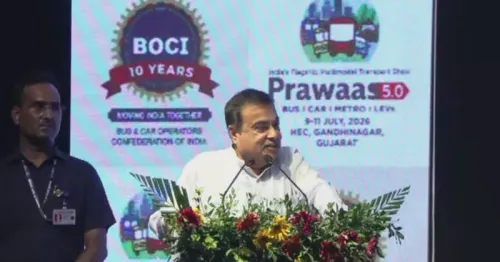
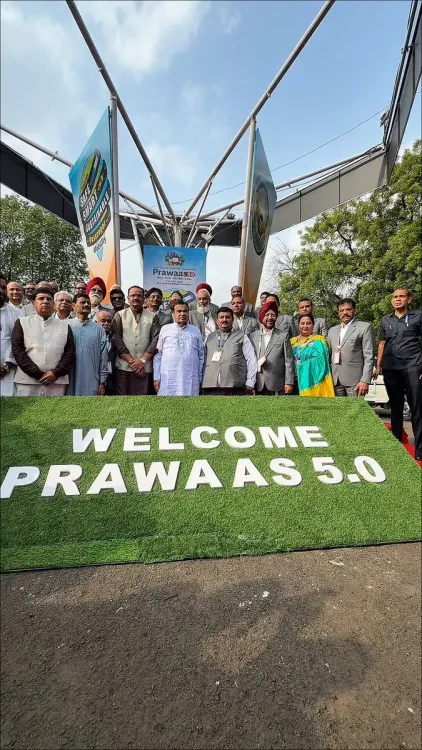
Nitin Gadkari addressed Prawaas 5.0 and the Bharat Prawaas Awards organised by BOCI in Gandhinagar, Gujarat on 9 July 2026 .
The minister described safe, smart and sustainable mobility as 'the foundation of a developed India.' He cited innovation, clean mobility, policy reforms and integrated transport systems as the pillars of a future-ready ecosystem.
The address connects to three Central policy frameworks: Bharatmala Pariyojana (2015), PM Gati Shakti (2021) and the National Logistics Policy (2022).
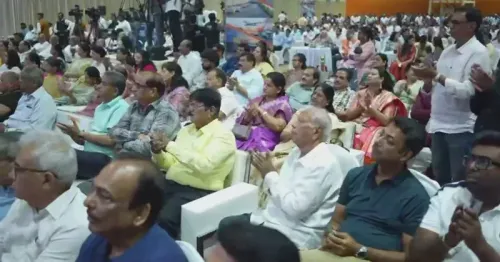
Key stakeholders in the audience included bus operators, logistics firms and highway developers.
Rollout of state-level PM Gati Shakti projects and potential EV or logistics incentives in the next Union Budget are the immediate policy markers to watch.
Union Road Transport and Highways Minister Nitin Gadkari addressed the Prawaas 5.0 conference and the Bharat Prawaas Awards, organised by BOCI, in Gandhinagar, Gujarat, on Thursday, 9 July 2026. Speaking at the event, the minister underlined that safe, smart and sustainable mobility is the foundation of a developed India.
Context
Addressing the gathering, Gadkari stated that 'through innovation, clean mobility, policy reforms and integrated transport systems, we are building a future-ready ecosystem that enhances connectivity, improves logistics efficiency and drives inclusive economic growth.' The remarks came at a national-level transport and mobility conclave held in Gandhinagar, the Gujarat capital that has emerged as a regular venue for infrastructure and mobility conferences.
The Bharat Prawaas Awards, presented at the event, recognised stakeholders across the mobility and transport sector. The minister's presence signalled the Centre's continued emphasis on elevating the policy conversation around passenger and freight movement.
Policy Backdrop
The minister's address fits within a broader Central government push that spans three major policy pillars. The Bharatmala Pariyojana, launched in 2015, has been the backbone of national highway expansion, targeting economic corridors across the country. The PM Gati Shakti National Master Plan, announced in 2021, introduced multimodal integrated transport planning to break siloes between road, rail, ports and aviation.
The National Logistics Policy, released in 2022, set explicit targets for reducing India's logistics costs as a share of GDP and improving supply-chain efficiency. Together, these frameworks form the architecture Gadkari referenced when speaking of an 'integrated transport system' and 'logistics efficiency.'
Clean mobility has also become a central thread in the ministry's agenda, with incentives for electric vehicles and alternative fuels woven into successive policy announcements. Gadkari has consistently championed green fuels — including ethanol, methanol and hydrogen — as part of the transport sector's decarbonisation pathway.
Stakeholders and Impact
The audience at Prawaas 5.0 included bus operators, logistics companies and highway developers — segments directly affected by the ministry's regulatory and investment decisions. For the logistics industry, policy clarity on multimodal hubs and dedicated freight corridors translates into measurable reductions in transit time and cost.
Bus operators and public transport agencies stand to benefit from any forthcoming push on clean mobility incentives, particularly as state transport undertakings across India grapple with fleet electrification timelines. Highway developers, meanwhile, watch closely for signals on project pipelines and tolling policy under Bharatmala's subsequent phases.
What's Next
Attention will now turn to the rollout of state-level integrated transport projects under the PM Gati Shakti framework, where convergence between Central ministries and state governments remains a work in progress. Any new electric-vehicle or logistics incentives in the next Union Budget will be read against the vision Gadkari articulated in Gandhinagar.
The minister's framing of mobility as 'the foundation of a developed India' aligns with the government's broader Viksit Bharat narrative, suggesting that transport infrastructure will remain a headline priority in policy communication through the remainder of the current term.
Point of View
He is threading together two narratives the BJP government is keen to project simultaneously: development and sustainability. The Gandhinagar setting is also deliberate; Gujarat's infrastructure track record lends political credibility to the ministry's ambitions. With the next Union Budget on the horizon, speeches of this kind typically serve as trial balloons for the incentive structures that follow.
NationPress
9 Jul 2026
Frequently Asked Questions
What is Prawaas 5.0?
Prawaas 5.0 is a national-level transport and mobility conference organised by BOCI, held in Gandhinagar, Gujarat. The fifth edition on 9 July 2026 was addressed by Union Minister Nitin Gadkari and included the Bharat Prawaas Awards recognising excellence in the mobility sector.
What did Nitin Gadkari say at Prawaas 5.0?
Gadkari said that safe, smart and sustainable mobility is the foundation of a developed India, and that through innovation, clean mobility, policy reforms and integrated transport systems, the government is building a future-ready ecosystem to enhance connectivity and drive inclusive economic growth.
What is the Bharat Prawaas Awards?
The Bharat Prawaas Awards were presented at the Prawaas 5.0 conference in Gandhinagar on 9 July 2026 to recognise stakeholders in India's transport and mobility sector for their contributions to the industry.
What are India's key transport policy frameworks?
India's key transport frameworks include the Bharatmala Pariyojana (2015) for highway expansion, the PM Gati Shakti National Master Plan (2021) for multimodal integrated planning, and the National Logistics Policy (2022) aimed at reducing logistics costs and improving supply-chain efficiency.
What is PM Gati Shakti?
PM Gati Shakti is a National Master Plan announced in 2021 to bring multimodal integrated transport planning across road, rail, ports and aviation. It aims to eliminate inter-ministerial silos and improve project execution for economic corridors across India.