CM Nitish Orders PDS Overhaul: Power, Data, Monitoring
Synopsis
The Chief Minister's Office of Bihar on 9 July 2026 directed officials to guarantee uninterrupted electricity at all food grain godowns, build an accurate beneficiary database, and ensure effective PDS monitoring — reinforcing the state's commitment to leak-proof welfare delivery.
Key Takeaways
The Chief Minister's Office of Bihar issued operational directives on 9 July 2026 covering food grain storage, beneficiary data, and PDS oversight.
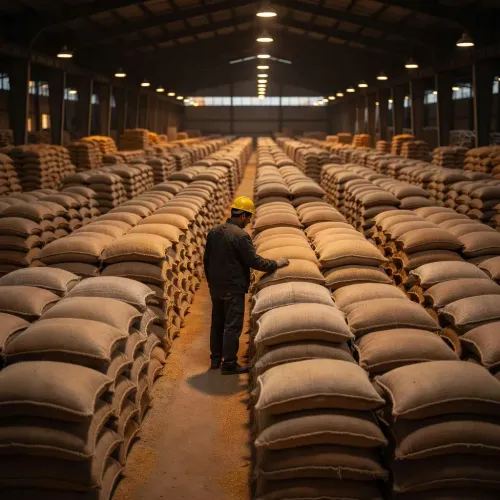
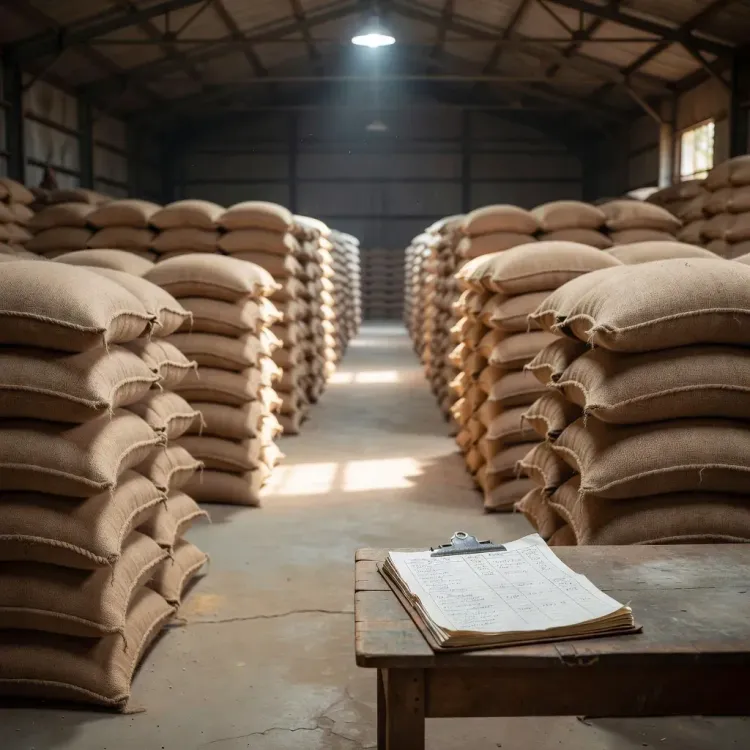
Officials were instructed to ensure uninterrupted power supply and essential infrastructure at all food grain godowns across the state.
A current and accurate beneficiary database for all departmental welfare scheme recipients must be prepared and maintained.
Regular and effective monitoring of the Public Distribution System has been made mandatory under the new instructions.
The directive aligns with the National Food Security Act, 2013 and Bihar's ongoing efforts to computerise PDS operations and reduce leakages.
Compliance reports on godown electrification and potential beneficiary data-cleansing drives will be the key indicators to watch.
The Chief Minister's Office of Bihar on Thursday, 9 July 2026 directed state officials to ensure uninterrupted power supply at all food grain godowns, maintain accurate and updated beneficiary databases, and strengthen regular monitoring of the Public Distribution System (PDS) across the state.
Context
The directive, shared by the official CMO account, instructs officers to provide निर्बाध विद्युत आपूर्ति (uninterrupted power supply) and essential infrastructure at all food grain storage facilities. Officials have also been asked to prepare a current and precise database of beneficiaries under departmental welfare schemes and to ensure regular, effective monitoring of PDS operations.
The post is a reply thread from @officecmbihar, indicating it is part of a broader official communication on the subject. The instructions are directed at the Bihar Food and Consumer Protection Department, the nodal state body overseeing food grain godowns, ration card management, and PDS logistics.
Policy Backdrop
The National Food Security Act, 2013 established legal entitlements for subsidised food grains and mandated that states maintain updated, accurate beneficiary records to minimise targeting errors and leakages. Bihar has undertaken multiple rounds of PDS computerisation and godown modernisation — particularly between 2015 and 2020 — aimed at reducing storage losses and improving last-mile delivery.
The latest directive aligns with a recurring national push for digitised, real-time beneficiary data under food security programmes. Uninterrupted electricity at storage facilities is critical to preserving grain quality, especially during Bihar's hot and humid summers, when spoilage risk is highest.
Stakeholders and Impact
The primary beneficiaries of these instructions are ration card holders across Bihar — millions of households dependent on subsidised food grains for nutritional security. Depot operators and godown managers will face heightened compliance expectations around infrastructure upkeep and data accuracy.
An updated and precise beneficiary database directly reduces 'ghost' entries and exclusion errors, ensuring that eligible families receive their entitled allocations without disruption. Effective PDS monitoring also reduces scope for diversion of food grains to the open market — a persistent concern in large-scale welfare delivery.
What's Next
Attention will now turn to state-level compliance reports on godown electrification and any subsequent beneficiary data-cleansing drives or third-party audits that the department initiates. If the directives are backed by a formal review mechanism, field-level accountability across Bihar's extensive PDS network could see a measurable tightening. The broader implication is that Bihar is signalling administrative seriousness about welfare delivery ahead of what could be a period of heightened scrutiny of food security outcomes.
Point of View
Data hygiene, and oversight simultaneously signals both intent and awareness of systemic gaps. For Bihar, where PDS reach is vast and leakage has historically been a political liability, such directives serve a dual purpose: genuine administrative correction and visible governance optics. The emphasis on 'updated and accurate' databases is particularly telling, pointing to persistent concerns about ghost beneficiaries and exclusion errors that have dogged the system for years. Whether this round of instructions translates into measurable outcomes will depend on the compliance architecture that follows.
NationPress
10 Jul 2026
Frequently Asked Questions
What did the Bihar CMO direct officials to do regarding the PDS?
The Bihar CMO directed officials to ensure uninterrupted power supply at all food grain godowns, prepare an updated and accurate beneficiary database, and carry out regular and effective monitoring of the Public Distribution System.
Why is uninterrupted power supply important at food grain godowns in Bihar?
Continuous electricity is essential for preserving grain quality in storage, particularly in Bihar's hot and humid climate, where power outages can accelerate spoilage and lead to significant food losses.
What is the Public Distribution System (PDS) in Bihar?
The PDS is a government-run scheme that provides subsidised food grains to eligible households under the National Food Security Act, 2013. In Bihar, it is managed by the Food and Consumer Protection Department.
Why does Bihar need an updated PDS beneficiary database?
An accurate and current database eliminates ghost entries and reduces exclusion errors, ensuring that only genuinely eligible families receive subsidised food grains and reducing scope for diversion.
What law governs food grain entitlements in Bihar?
The National Food Security Act, 2013 governs subsidised food grain entitlements across India, including Bihar, and mandates that states maintain updated beneficiary records for effective implementation.