Iran threatens 'firm and decisive' military response to US violations
Synopsis
Iran's Consul General in Mumbai has put Washington on notice: Tehran has already struck US interests in the region and will do so again, 'firmly and decisively,' if violations continue. With maritime restrictions in the Persian Gulf and pointed criticism of President Trump's credibility, Iran is simultaneously escalating its military posture and keeping a diplomatic door ajar — a calculated dual-track that raises the stakes for regional stability.
Key Takeaways
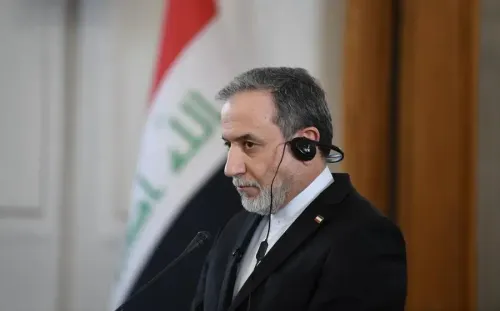
Iran's Consul General Saeid Reza Mosayeb Motlagh warned of a 'firm and decisive' military response to continued US violations on 10 July .
Tehran confirmed it has already taken action against US interests and bases in the region.
Iran said it 'had to restrict passage' in parts of the Persian Gulf and Strait of Hormuz over security concerns.
US President Donald Trump's remarks were called 'not reliable' and 'contradictory' by the Consul General.
Despite the escalation, Iran said it remains open to negotiations and dialogue .
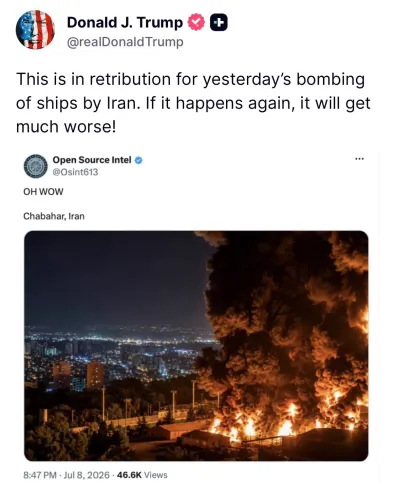
Iran has issued a stark warning to the United States, threatening a 'firm and decisive' military response to what it described as repeated American violations of commitments, with its Consul General in Mumbai stating on Thursday, 10 July that Tehran has already taken action against US interests and bases in the region.
What Iran's Consul General Said
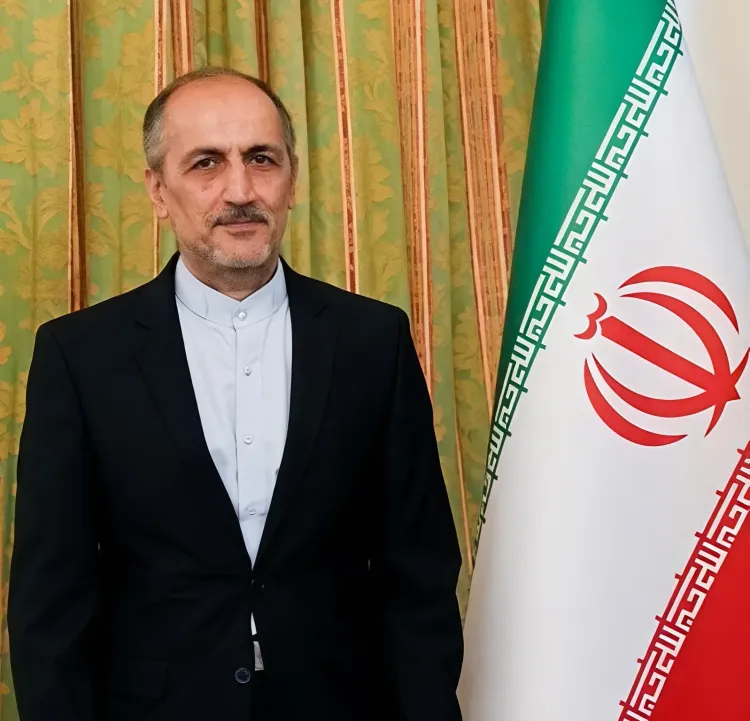
Speaking in an interview, Iran's Consul General Saeid Reza Mosayeb Motlagh said Tehran had initially exercised restraint in the face of what he called US 'breaches of commitments' but was now compelled to act. 'This time, as before, we have responded accordingly, and we will deliver a firm and decisive response that, God willing, will once again make the aggressor regret its actions,' he said.
Motlagh also stated that Iran has 'consistently demonstrated its commitment to negotiations and dialogue at all times before, during, and after both periods of attacks', while accusing Washington of repeatedly undermining dialogue through a lack of commitment.
Military Escalation and Maritime Restrictions
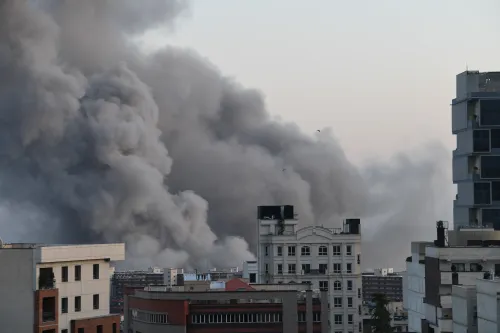
The Consul General warned that if the US does not cease its violations, Iran 'will be compelled to respond on the battlefield and through military means.' Tehran confirmed it has placed the matter on its agenda and has already taken action against American interests in the region.
On maritime security, Iran said it 'had to restrict passage' in certain areas to ensure the safety of vessels and crews amid what it described as insecure conditions. This is a significant signal given the strategic importance of the Persian Gulf and the Strait of Hormuz — a chokepoint through which roughly 20% of global oil trade passes.
Iran's Criticism of US President Trump
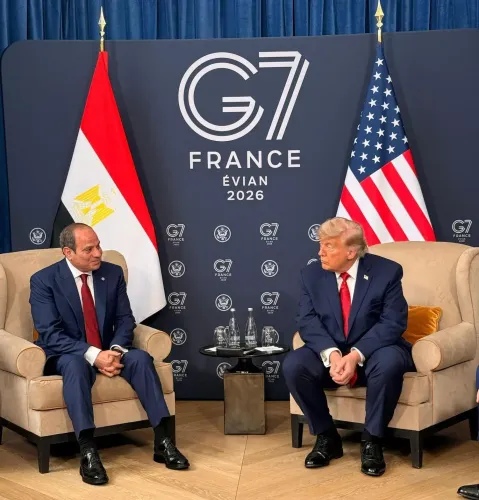
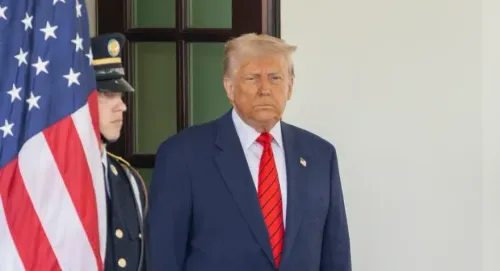
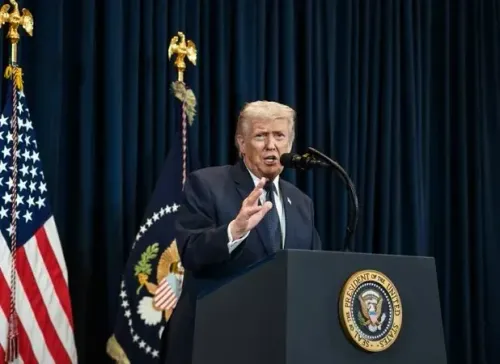
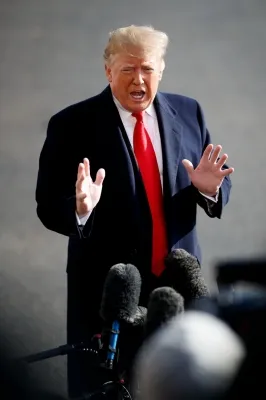
Motlagh took direct aim at US President Donald Trump, saying his remarks 'are not reliable' and that he 'frequently issues contradictory and inconsistent remarks.' The statement reflects a pattern of Iranian officials publicly questioning the credibility of US leadership as diplomatic tensions persist.
Iran's Position on Regional Peace
Despite the sharp rhetoric, Tehran maintained it remains open to dialogue. 'Iran has consistently sought regional peace, stability, and prosperity, and continues to work toward these objectives,' the statement noted. However, officials warned that repeated US violations have 'undermined regional security and disrupted the peace and stability of the people in the region, including countries that rely on the Persian Gulf and the Strait of Hormuz.'
This comes amid a broader pattern of US-Iran tensions that have periodically threatened to spill into direct confrontation, with both sides accusing the other of bad faith in diplomatic processes. The Consul General's remarks from Mumbai signal that Tehran is escalating its public posture even as it keeps a diplomatic door nominally open.
Point of View
But the specificity here is notable: the Consul General confirmed action has already been taken against US assets, not merely threatened. The Strait of Hormuz reference is the sharpest signal; any sustained restriction there would rattle energy markets far beyond the Gulf. What mainstream coverage often misses is that these statements from consular officials in third countries like India are calibrated for diplomatic audiences, not just domestic consumption — Tehran is signalling to regional partners and non-aligned states that the US, not Iran, is the party breaking commitments.
NationPress
10 Jul 2026
Frequently Asked Questions
What did Iran's Consul General say about a military response to the US?
Iran's Consul General Saeid Reza Mosayeb Motlagh said on 10 July that Tehran would deliver a 'firm and decisive response' if the US does not cease its violations, warning that Iran 'will be compelled to respond on the battlefield and through military means.' He added that Iran has already taken action against US interests and bases in the region.
Why is Iran restricting passage in the Persian Gulf?
Iran said it 'had to restrict passage' in certain areas of the Persian Gulf to ensure the safety of vessels and crews amid what it described as insecure conditions caused by US actions. The Strait of Hormuz, a critical global oil chokepoint, was specifically cited as an area of concern.
What did Iran say about President Trump?
The Consul General said President Donald Trump's remarks 'are not reliable' and that he 'frequently issues contradictory and inconsistent remarks,' signalling deep Iranian scepticism about the credibility of US diplomatic positions under the current administration.
Is Iran still open to negotiations despite the escalation?
Yes. Despite the sharp military warnings, Iran stated it has 'consistently demonstrated its commitment to negotiations and dialogue' and remains open to talks. Officials accused the US of being the party that has undermined dialogue through a lack of commitment.
Which countries could be affected by Iran's actions in the Persian Gulf?
Iran warned that US violations have 'disrupted the peace and stability of the people in the region, including countries that rely on the Persian Gulf and the Strait of Hormuz.' Any restriction of the Strait of Hormuz would affect global energy supplies and regional economies dependent on maritime trade.