Trump Signals Potential Expansion of Military Targets in Iran
Synopsis
In a recent warning, President Trump indicated that the US might expand military targets in Iran amid rising tensions. This comes on the heels of an Iranian apology to affected nations, yet a rejection of unconditional surrender.
Key Takeaways
Trump warns of potential military escalation against Iran.
Iran's President expresses regret towards neighboring nations.
Conflict has disrupted regional transport and energy markets.
Expectations of broader military engagement raise concerns.
Continued violence poses risks to regional stability.
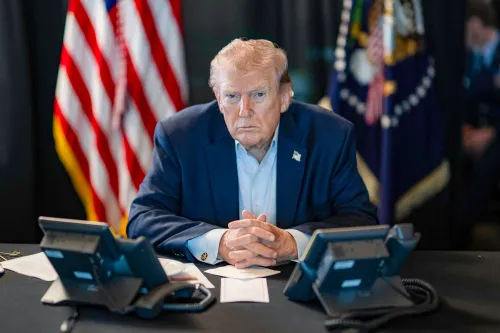
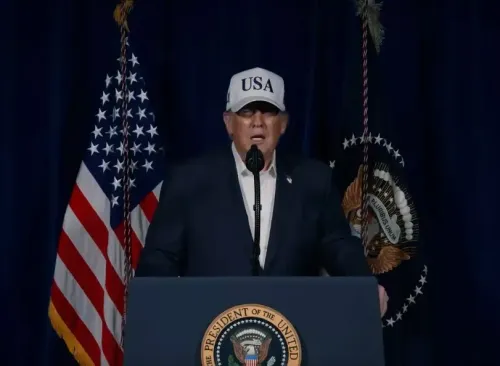
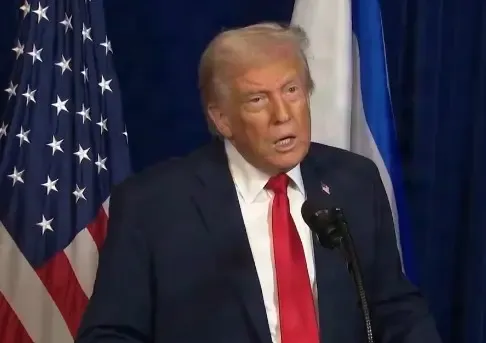
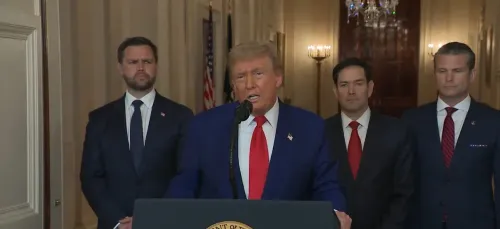
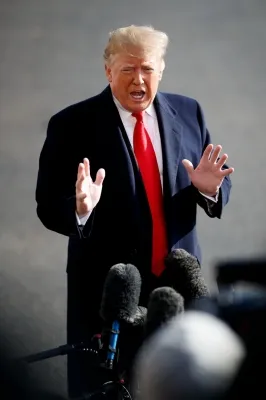
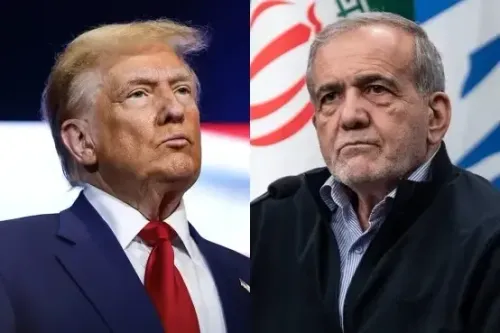
Washington, March 7 (NationPress) US President Donald Trump on Saturday cautioned that the United States might broaden its military objectives in Iran, shortly after Iran’s President expressed regret to neighboring nations affected by the escalating Middle East conflict but dismissed calls for capitulation.
Trump shared this warning via a post on Truth Social as the ongoing conflict involving the United States, Israel, and Iran entered its second week.
“Today, Iran will face severe consequences! Areas and groups that were previously not considered for targeting are now under serious evaluation for total destruction due to Iran’s disruptive behavior,” Trump stated.
The US President did not elaborate on potential additional targets.
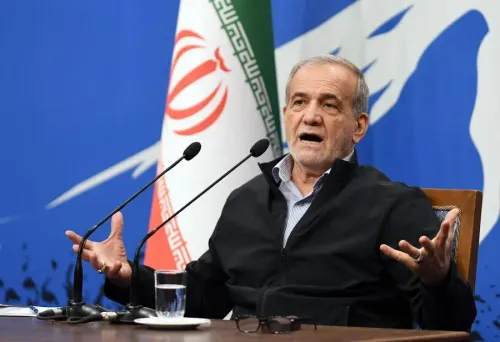
His statements followed a televised address by Iranian President Masoud Pezeshkian, who apologized to neighboring Gulf nations that had been affected during the conflict.
“I must apologize to the neighboring countries that have been attacked by Iran, on my own behalf,” Pezeshkian remarked.
He emphasized that Iran did not intend to assault nearby countries unless provoked.
“They must refrain from attacking neighboring countries or launching missiles at them unless we are attacked first. I believe we should resolve this matter through diplomacy,” he stated.
Nonetheless, Pezeshkian also rejected Trump’s demand for Iran to surrender without conditions.
“The notion that we would surrender unconditionally is a fantasy that our adversaries will carry to the grave,” he asserted.
Following the outbreak of conflict, Iran conducted missile and drone strikes targeting various Gulf states, including Bahrain, Saudi Arabia, the United Arab Emirates, Qatar, and Oman.
Earlier on Saturday, Qatar’s Defence Ministry announced that its armed forces intercepted missiles aimed at the country.
Pezeshkian’s apology came after consultations between Iran’s transitional leadership council and military leaders due to what officials described as chaos within the command structure following the deaths of Supreme Leader Ayatollah Ali Khamenei and other high-ranking officials.
Despite Pezeshkian’s statements, the violence in the region shows no signs of abating.
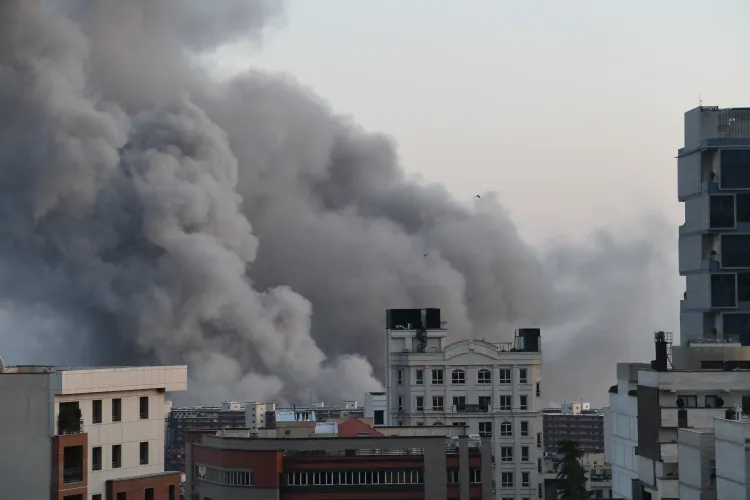
Israeli forces executed what they termed a “comprehensive wave of strikes” overnight in Tehran and other central Iranian locations. Iranian media reported explosions near Tehran’s Mehrabad airport.
Israel also escalated its operations in Lebanon, targeting regions associated with the Iran-backed Hezbollah movement.
The conflict has swiftly spread across multiple nations in the Middle East, disrupting regional transport and energy sectors.
Dubai International Airport temporarily halted operations earlier due to missile and drone interceptions reported throughout the Gulf.
Later on Saturday, Trump is expected to visit Dover Air Force Base in Delaware for a solemn transfer ceremony honoring six US service members who lost their lives in the conflict.
The troops perished in an Iranian drone strike on a tactical operations center in Kuwait.
The war erupted following coordinated US-Israeli air strikes aimed at Iranian military assets and leadership. In retaliation, Iran launched missile and drone attacks targeting Israel, US facilities, and several Gulf nations hosting American military bases.
The escalating conflict has heightened fears of a broader regional war and has involved numerous actors throughout the Middle East, including Hezbollah in Lebanon and allied militia groups operating in the vicinity.
Point of View
The current situation highlights a complex and escalating conflict in the Middle East, with both US and Iranian leaders taking firm stances. Amid the rising tensions, the possibility of broader military engagement raises concerns about regional stability and the impact on global relations.
NationPress
4 Oct 2026
Frequently Asked Questions
What prompted Trump's warning about Iran?
Trump's warning came after escalating tensions and military actions in the Middle East, specifically following Iranian missile and drone strikes against Gulf nations.
How did Iran's President respond to the conflict?
Iran's President apologized to neighboring countries affected by the conflict but rejected calls for unconditional surrender.
What are the potential consequences of the conflict?
The conflict could lead to broader military engagement, affecting regional stability and potentially drawing in more nations.
What actions did Israel take in response to the conflict?
Israeli forces conducted a series of strikes across Tehran and other parts of Iran, intensifying military operations in the region.
What is the significance of the ongoing conflict?
The conflict represents a critical juncture in US-Iran relations and poses risks of broader regional warfare, impacting global geopolitical dynamics.