Iran's Pezeshkian: US nuclear talks are not surrender, Iran negotiates from strength
Synopsis
Iran's president insists Tehran negotiates from strength, not weakness — even as Trump halts envoy talks and announces a 'crushing economic operation' against Iran on the same day. Meanwhile, Iran's parliament is quietly advancing a plan to bar hostile and Israeli vessels from the Strait of Hormuz, turning the world's most critical oil chokepoint into a potential pressure lever.
Key Takeaways
Iranian President Masoud Pezeshkian declared on 20 August that negotiating with the US does not mean surrender, asserting Iran advances talks 'at the height of our power.' US President Donald Trump reportedly ordered envoys to halt Iran conversations on Tuesday , then announced a 'crushing economic operation' against Tehran on Wednesday .
The 60-day negotiating period under the US-Iran MoU signed on 18 June expired on Monday, leaving the diplomatic path forward unclear.
Iran's parliament is reviewing a draft plan to bar hostile and Israeli vessels from the Strait of Hormuz , with enforcement by Iran's General Staff of the Armed Forces .
The Hormuz plan includes passage fees in the Iranian rial , cargo confiscation powers, and higher tariffs against hostile governments.
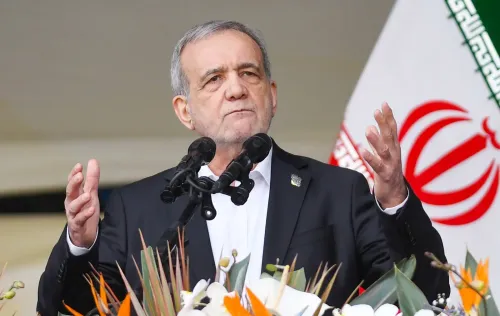
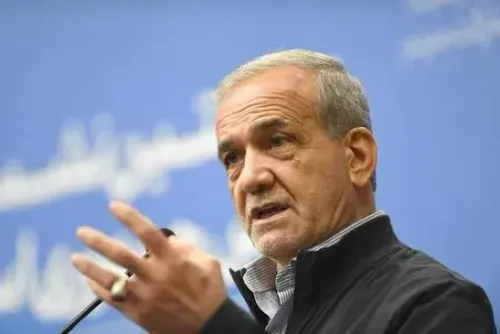
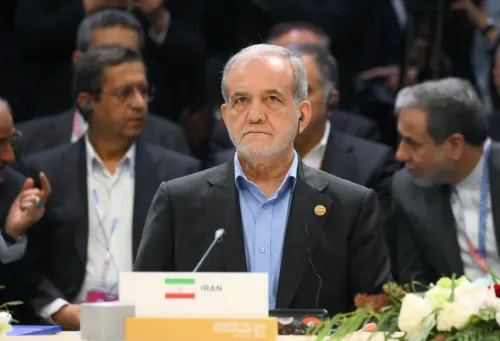
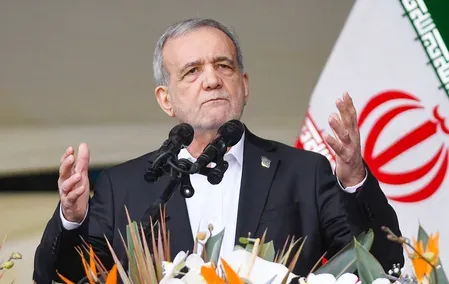
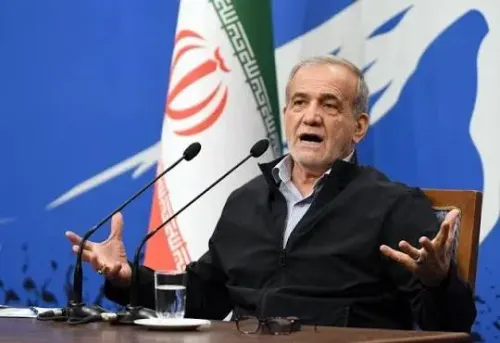
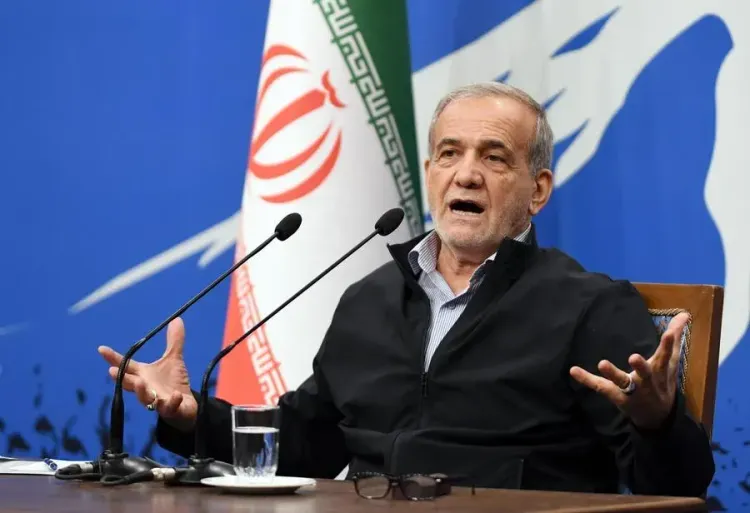
Iranian President Masoud Pezeshkian on Wednesday, 20 August declared that engaging in negotiations with the United States does not constitute surrender, asserting that Tehran is advancing through diplomatic talks from a position of power. Speaking at a conference in Tehran, Pezeshkian's remarks came as US-Iran tensions escalated sharply following the expiry of a 60-day negotiating window under a joint memorandum of understanding.
Pezeshkian's Position on Negotiations
Addressing the conference, Pezeshkian stressed the imperative of defending Iran's territorial integrity, according to a statement published on his office's official website. 'In the process of negotiations, we are moving forward step by step at the height of our power and while maintaining wisdom, dignity and expediency,' he said.
The Iranian president outlined Tehran's core negotiating objectives: ending the ongoing war, lifting what he described as an anti-Iran naval blockade, securing the release of Iran's frozen assets, and subsequently pursuing nuclear talks. This sequencing signals that Tehran views sanctions relief and asset recovery as preconditions before any substantive nuclear agreement can be reached.
Trump Halts Talks, Then Announces Economic Operation
The backdrop to Pezeshkian's remarks is a rapidly shifting American posture. US President Donald Trump reportedly directed senior administration envoys to pause their conversations with Iran on Tuesday, according to local media reports citing a US official. Hours later on Wednesday, Trump announced what he described as a 'crushing economic operation' against Iran — a striking reversal from his earlier statement the same day that the situation with Iran was 'so good.'
This comes amid the expiry of the 60-day negotiating period stipulated under the memorandum of understanding signed by Tehran and Washington on 18 June to end the war on all fronts. How the two sides proceed from here remains unclear, with tensions having escalated significantly in the weeks leading up to the deadline.
Iran's Parliament Moves to Control Strait of Hormuz
Separately, a senior Iranian lawmaker revealed on Wednesday that a draft plan under parliamentary review would restrict passage through the Strait of Hormuz for vessels deemed hostile or engaged in espionage activities. Ebrahim Rezaei, a member of parliament's national security and foreign policy committee, disclosed the plan's contours in an interview with state broadcaster IRIB TV.
According to Rezaei, the draft stipulates that vessels considered hostile or involved in espionage threatening Iran's national security would be barred from transiting the strategically vital waterway. Israeli military and civilian vessels would also be prohibited, with enforcement placed under the supervision of Iran's General Staff of the Armed Forces.
The plan also includes provisions for levying passage fees in the Iranian rial or other currencies, and imposes penalties — including cargo confiscation and higher tariffs — against governments that adopt hostile positions toward Tehran. 'If someone in another part of the world harms Iran's interests or our citizens, we will deal with that government in the Strait of Hormuz,' Rezaei said.
Why the Strait of Hormuz Matters
Rezaei attributed the push for tighter Hormuz controls to US and Israeli strikes against Iran, framing the waterway as a critical national security asset. The parliamentary committee approved the general outlines of the plan earlier this month, according to Iran's official news agency IRNA. Roughly 20% of global oil supplies transit the strait, making any restriction a matter of international economic consequence. The plan, if enacted, would mark one of the most significant unilateral moves by Tehran to assert control over the passage in recent memory.
What Comes Next
With the MoU's negotiating window closed and Washington's posture hardening, the immediate path forward for US-Iran diplomacy is uncertain. Tehran's dual-track approach — asserting strength at the negotiating table while advancing domestic legislation to tighten Hormuz access — suggests Iran is preparing for multiple contingencies simultaneously. International observers and energy markets will be watching closely for any further escalation.
Point of View
However, is the Strait of Hormuz legislation: if enacted, it gives Tehran a codified, enforceable chokehold over global oil flows without firing a single shot. Trump's whiplash — calling the Iran situation 'so good' and then announcing a 'crushing economic operation' within hours — underscores the absence of a coherent US strategy, which paradoxically strengthens Iran's hand at the table. The real question is whether the MoU's collapse triggers a return to maximum-pressure dynamics or whether back-channel contacts quietly resume.
NationPress
5 Oct 2026
Frequently Asked Questions
What did Iran's President Pezeshkian say about US negotiations?
President Masoud Pezeshkian said on 20 August that negotiating with the United States does not mean surrender, stating that Iran is moving forward in talks 'at the height of our power and while maintaining wisdom, dignity and expediency.' He outlined Tehran's goals as ending the war, lifting the naval blockade, recovering frozen assets, and then pursuing nuclear talks.
Why did Trump halt talks with Iran?
US President Donald Trump reportedly instructed senior administration envoys to pause conversations with Iran on Tuesday, according to media reports citing a US official. Hours later, Trump announced a 'crushing economic operation' against Iran, reversing an earlier statement the same day that the Iran situation was 'so good.' No detailed official explanation for the reversal was immediately provided.
What is the US-Iran memorandum of understanding signed in June?
Tehran and Washington signed a memorandum of understanding on 18 June to end the war on all fronts, establishing a 60-day negotiating window. That window expired on Monday, 18 August, leaving the status of further talks uncertain amid rising tensions between the two sides.
What is Iran's parliament planning for the Strait of Hormuz?
A draft plan under review by Iran's parliament would bar vessels deemed hostile or involved in espionage from transiting the Strait of Hormuz, and would prohibit all Israeli military and civilian vessels. The plan also includes passage fees, cargo confiscation powers, and higher tariffs against governments hostile to Iran, with enforcement by Iran's General Staff of the Armed Forces.
Why is the Strait of Hormuz significant in the US-Iran standoff?
The Strait of Hormuz is one of the world's most critical oil transit routes, with roughly 20% of global oil supplies passing through it. Iran's move to legislate control over the waterway — including the power to bar hostile vessels — gives Tehran a significant economic and strategic lever in its standoff with the United States and Israel.