Iran will respond to any aggression, says President Pezeshkian after US strike on Larak Island
Synopsis
A US military strike on Iran's Larak Island — targeting IRGC launchers allegedly being prepared to mine the Strait of Hormuz — has collided head-on with a freshly signed Iran-US peace MoU. President Pezeshkian's warning of a 'decisive response' and the IRGC's vow of punishment signal that the diplomatic window may be closing faster than it opened.
Key Takeaways
Iranian President Masoud Pezeshkian declared on 31 August that Iran will respond decisively to any aggression, while reiterating it does not seek war.
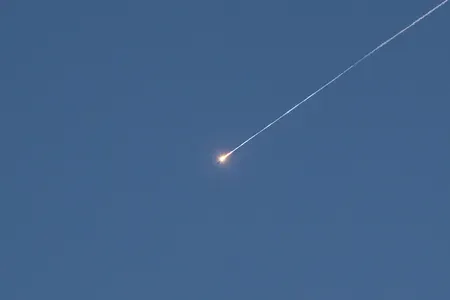
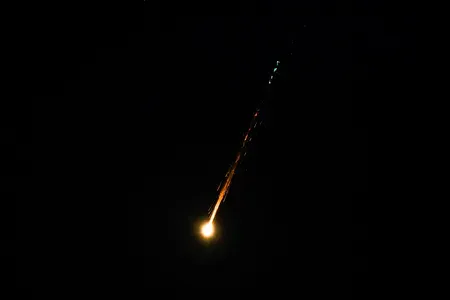
US Central Command (CENTCOM) confirmed that US forces struck two launchers on Iran's Larak Island on Sunday , citing IRGC preparations to launch rockets with sea mines into the Strait of Hormuz .
The IRGC confirmed casualties among military personnel and civilians and vowed 'punishment for the aggressor.' The strike came just one day after Pezeshkian endorsed a peace MoU signed between Iran and the United States , calling it in the interests of West Asia and the world.
Pezeshkian urged regional nations to promote unity and foil what he called 'enemies' sinister plots' against stability in the region.
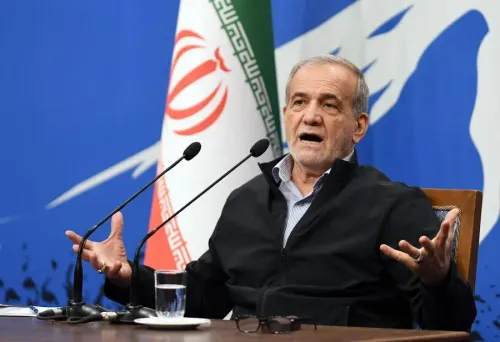
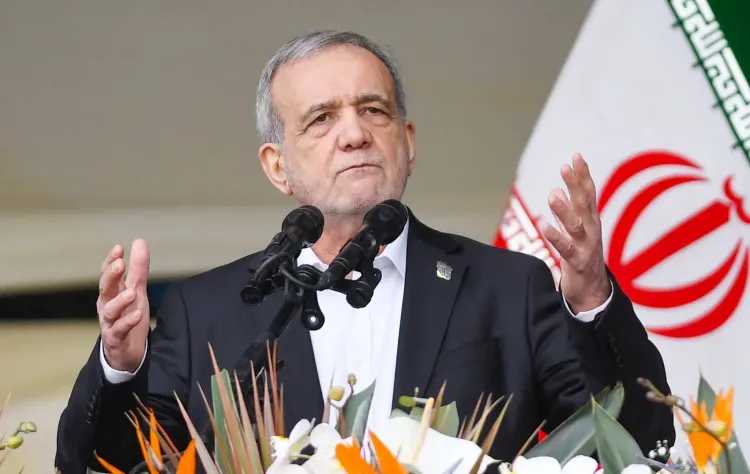
Iranian President Masoud Pezeshkian on Monday, 31 August declared that Iran does not seek war but will respond with strength and decisiveness to any act of aggression, according to a statement released by his office. The remarks came hours after US forces struck two launchers on Iran's southern Larak Island, sharply raising tensions in the Strait of Hormuz.
Pezeshkian's Warning to Aggressors
'We do not seek war, and this is a clear message that we have so far conveyed to the world,' Pezeshkian said. 'However, we will never sit still in the face of aggression and will give a decisive response to aggressors.'
He further stressed that instability and unrest in the region serve no country's interests and urged regional nations to join hands in ensuring security and development across West Asia.
The US Strike on Larak Island
US Central Command (CENTCOM) spokesperson Tim Hawkins stated that US forces on Sunday struck two launchers on Iran's Larak Island after Iran's Islamic Revolutionary Guard Corps (IRGC) were observed preparing to launch rockets with sea mines into the Strait of Hormuz. The Strait of Hormuz is one of the world's most critical oil transit chokepoints, through which roughly 20% of global oil supply passes.
Following the strike, the IRGC confirmed in a statement that a number of military personnel and civilians were killed or wounded. It vowed that the attack would be met with 'punishment for the aggressor' — language that signals a potential escalation in the already fraught US-Iran standoff.
Iran-US Peace MoU and Its Contradictions
Notably, the strike occurred just a day after Pezeshkian, speaking at a ceremony in Tehran, described a peace memorandum of understanding (MoU) signed between Iran and the United States as being in the interests of the country, West Asia, and the world. He had stressed that the MoU's implementation would prevent the United States and Israel from 'causing chaos, aggression and insecurity in the region.'
The juxtaposition of a freshly signed peace MoU and a US military strike on Iranian soil within 24 hours underscores the fragility of diplomatic progress in the region.
Iran's Historical Stance on War
Pezeshkian reiterated that Iran has never been the party to initiate a war. 'We do not welcome war, but will stand strongly against any aggressor, and no power can force a nation that is standing with all its might and will into surrender,' he said.
His remarks echo a long-standing Iranian posture of defensive deterrence, even as the country faces mounting pressure from Western nations and regional rivals. This comes amid a broader pattern of US-Iran confrontations in and around the Strait of Hormuz, including tanker seizures and drone incidents over the past several years.
What Happens Next
With the IRGC vowing retaliation and the US justifying the strike as a pre-emptive defensive action, the risk of further escalation in the Persian Gulf remains elevated. Regional states and international observers will be closely watching whether the Iran-US peace MoU holds — or whether Sunday's military exchange effectively renders it moot.
Point of View
The next flashpoint in the Strait of Hormuz could unravel it entirely — and global oil markets will be watching.
NationPress
15 Oct 2026
Frequently Asked Questions
Why did the US strike Iran's Larak Island?
US Central Command stated that US forces struck two launchers on Iran's Larak Island on Sunday because the IRGC were observed preparing to launch rockets with sea mines into the Strait of Hormuz. Washington described the strike as a pre-emptive defensive action to protect freedom of navigation in the critical waterway.
What was Iran's response to the US strike on Larak Island?
The IRGC confirmed that military personnel and civilians were killed or wounded in the strike and vowed 'punishment for the aggressor.' President Pezeshkian separately warned that Iran would give a decisive response to any act of aggression, while maintaining that Iran does not seek war.
What is the Iran-US peace MoU that Pezeshkian mentioned?
Pezeshkian, speaking at a ceremony in Tehran on Sunday, referred to a peace memorandum of understanding signed between Iran and the United States, describing it as being in the interests of Iran, West Asia, and the world. He said its implementation would prevent the US and Israel from causing chaos and insecurity in the region.
Why is the Strait of Hormuz significant in this context?
The Strait of Hormuz is one of the world's most critical oil transit chokepoints. Any military activity or mining of the strait poses a direct threat to global energy supply, making incidents there a matter of international concern beyond just US-Iran bilateral tensions.
What is Iran's stated position on war with the United States?
President Pezeshkian has repeatedly stated that Iran has never been the party to initiate a war and does not seek conflict. However, he has made clear that Iran will not remain passive in the face of aggression and will respond with strength to any attack on its territory or forces.