Iran vows war won't end on 'aggressive' parties' terms, warns US bases at risk
Synopsis
Iran's Foreign Ministry has flatly rejected any war settlement on terms set by what it calls 'aggressive' parties, while warning third countries that hosting US operations against Tehran carries consequences. With the Iran-US ceasefire MoU already lapsed and a sweeping new US economic operation now in force, the conflict is entering a dangerous new phase with no active diplomatic framework in sight.
Key Takeaways
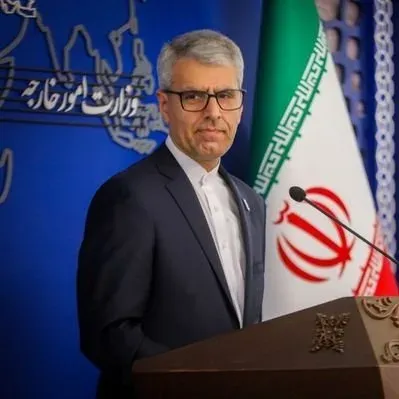
Foreign Ministry spokesman Esmaeil Baghaei declared on 24 August that Iran will not allow the war to end on conditions set by ‘aggressive’ parties.
Iran dismissed US claims that the Strait of Hormuz is open, calling them ‘psychological and media warfare.’ Tehran vowed to use all ‘multilateral capacities’ to counter new US sanctions, which President Trump called ‘an economic D-Day.’ Countries assisting US anti-Iran operations were warned they could face consequences; the US naval blockade was labelled an ‘act of aggression.’ A ceasefire was reached on 8 April and an MoU signed on 18 June , but it lapsed without renewal amid continued sporadic attacks.
Iran reserved the right to strike the origin of any aggression if third-country bases or facilities are used against it.
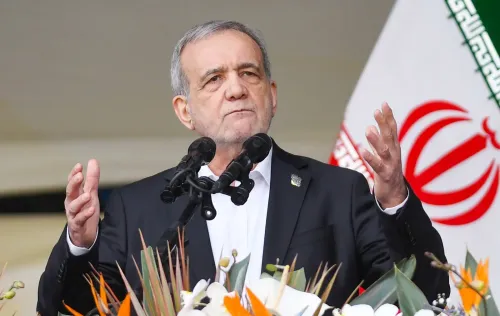
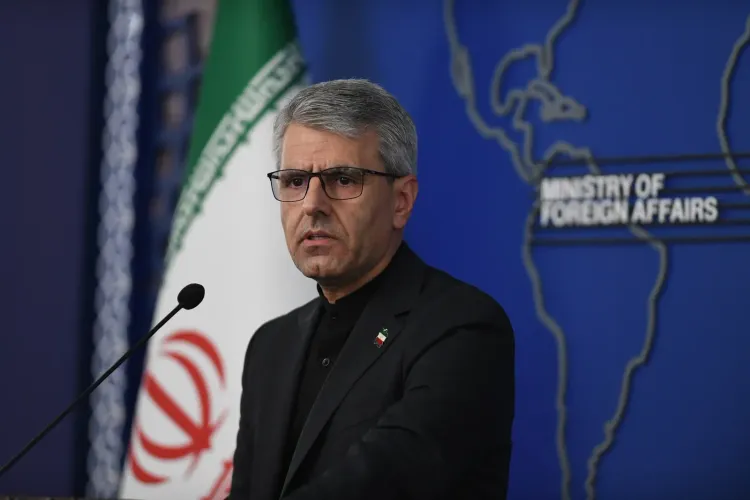
Iran's Foreign Ministry spokesman Esmaeil Baghaei declared on Monday, 24 August that Tehran will not allow the ongoing conflict to conclude on conditions dictated by what he called the “aggressive” parties, signalling a hardened Iranian stance amid a fragile and repeatedly violated ceasefire. The remarks came at a weekly press conference in Tehran, as diplomatic tensions between Iran and the United States sharply escalated.
Iran's Core Position
“We have definitely not been the party to start the war, but we will not let the war’s end be based on the aggressive parties’ conditions,” Baghaei said. He added that Iran remained committed to defending its territory and would not “compromise with the aggressive parties” or yield to their “excessive demands.” The language marks one of Tehran’s starkest public rejections of any externally imposed settlement framework.
Strait of Hormuz and the US Economic Operation
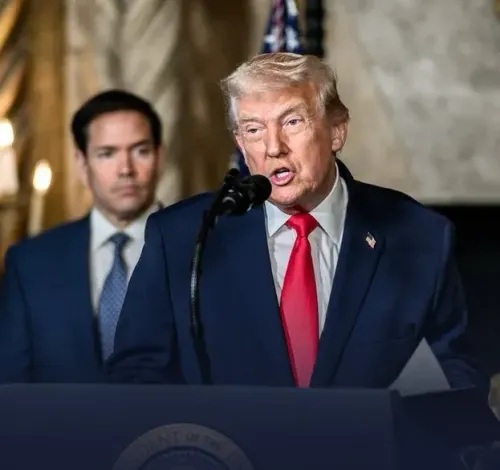
Baghaei dismissed US assertions that the Strait of Hormuz was open and that millions of barrels of oil were flowing through it daily, characterising those claims as “psychological and media warfare.” He also hit out at a newly announced US anti-Iran economic operation, which President Donald Trump described on Wednesday as “the most crushing economic operation ever taken” against any country providing a lifeline to Iran — calling it “an economic D-Day.” Tehran, Baghaei said, would deploy all its “multilateral capacities” to counter the sanctions, which he described as an assault on free trade and national sovereignty.
Warning to Third Countries
The spokesman warned that nations assisting US anti-Iran operations could face unspecified consequences. He labelled the US naval blockade an “act of aggression.” On reports in Western media that Iran could strike US bases in Europe if hostilities resumed, Baghaei said Iran reserves the right to target the origin of any “act of aggression” if a third country allows its bases, facilities, or equipment to be used for such actions.
Ceasefire Timeline and MoU Collapse
A ceasefire between the warring parties was reached on 8 April. On 18 June, Iran and the United States signed a Memorandum of Understanding (MoU) on ending the war across all fronts, including Lebanon. However, sporadic attacks by either side continued, and the MoU was not renewed after it lapsed. The breakdown of that framework has left the conflict in a volatile limbo, with both sides publicly hardening their positions.
What Comes Next
With the MoU expired, no active diplomatic mechanism is publicly known to be in place. The US sanctions escalation and Iran’s explicit rejection of adversary-set terms suggest that any renewed negotiations face steep preconditions. The status of the Strait of Hormuz — a critical artery for global oil supply — remains a flashpoint, with both sides offering contradictory accounts of its operational status. Regional and global energy markets will be watching closely for any further escalation.
Point of View
And both sides are escalating in parallel — the US with sweeping economic measures, Iran with explicit warnings to third-country hosts of US bases. The Strait of Hormuz dispute is especially consequential; if Tehran's claims of a blockade are accurate and Washington's denials are spin, global oil markets are operating on a false premise. The real risk is not a dramatic military strike — it is a slow, sanctions-and-blockade war of attrition that neither side has a public exit ramp for.
NationPress
9 Oct 2026
Frequently Asked Questions
What did Iran's Foreign Ministry say about ending the war?
Iran's Foreign Ministry spokesman Esmaeil Baghaei said on 24 August that Tehran will not allow the war to conclude on conditions set by what he called the 'aggressive' parties. He stated Iran would not compromise or surrender to their 'excessive demands.'
What is the current status of the Iran-US ceasefire?
A ceasefire was reached on 8 April, followed by a Memorandum of Understanding signed on 18 June covering all fronts including Lebanon. However, sporadic attacks continued and the MoU was not renewed after it lapsed, leaving no active diplomatic framework in place.
What is the new US economic operation against Iran?
President Donald Trump announced what he described as 'the most crushing economic operation ever taken' against any country providing support to Iran, calling it 'an economic D-Day.' Iran's spokesman said Tehran would use all its multilateral capacities to counter the sanctions.
Did Iran threaten US bases in Europe?
Iran's spokesman said Tehran reserves the right to target the origin and source of any act of aggression if a third country allows its bases, facilities, or equipment to be used for operations against Iran. This was in response to Western media reports about potential Iranian strikes on US bases in Europe if hostilities resumed.
What is Iran's position on the Strait of Hormuz?
Baghaei dismissed US claims that the Strait of Hormuz is open and that millions of barrels of oil pass through it daily, calling those assertions part of 'psychological and media warfare.' The two sides have offered contradictory accounts of the waterway's operational status.