Iran warns Strait of Hormuz won't be secure while US wages war
Synopsis
Iran's Foreign Ministry has directly told the US that the Strait of Hormuz — through which roughly 20% of global oil flows — will remain insecure as long as Washington prosecutes its military campaign. With seven-point mediation talks stalled and new US sanctions on the table, Tehran's warning is as much a message to global energy markets as it is to the White House.
Key Takeaways
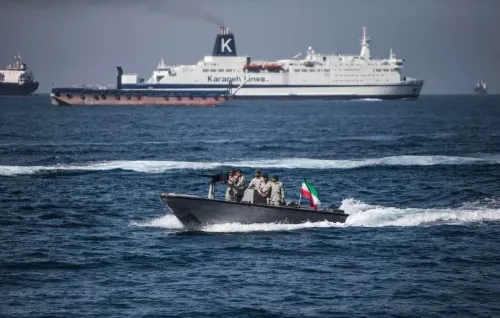
Iran's Foreign Ministry spokesperson Esmaeil Baghaei warned on 12 October that the Strait of Hormuz will not be secure as long as the US continues the war .
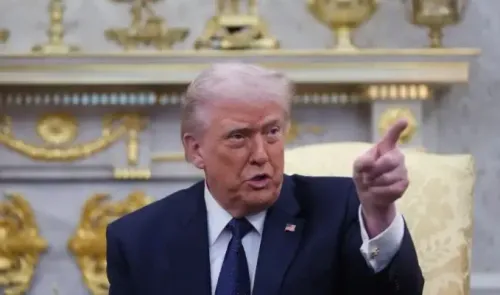
Baghaei dismissed US President Donald Trump 's claims that Iran has lost leverage over the waterway, saying American assertions 'do not match realities on the ground.' Diplomatic back-channel talks through mediators are ongoing, covering seven points including lifting a blockade, a ceasefire on all fronts, and release of Iran's frozen assets .
Iran acknowledged that points tabled so far are insufficient and said a formal response to the US is being prepared.
Acting Defence Minister Brigadier General Majid Ibn al-Reza warned separately that promoting 'civilisational confrontation' is a dangerous miscalculation with uncontrollable consequences.
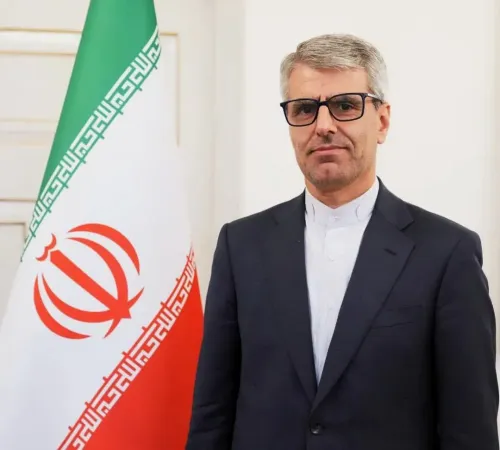
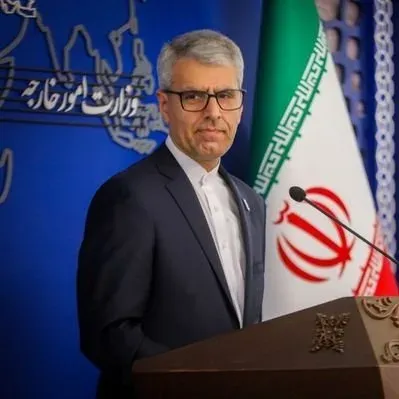
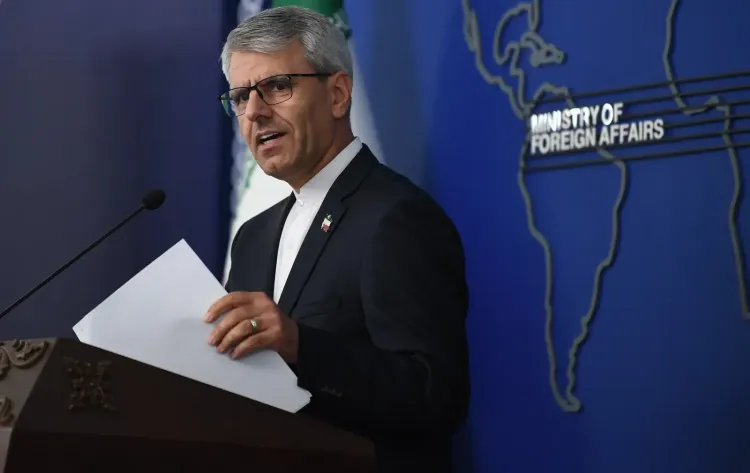
Iran's Foreign Ministry on Monday, 12 October warned that the Strait of Hormuz will not be secure as long as the United States continues its military actions in the region, directly dismissing claims by US President Donald Trump that Tehran has lost its leverage over the critical waterway. The warning came from Foreign Ministry spokesperson Esmaeil Baghaei at a weekly press conference in Tehran.
Baghaei Rejects US Claims on Hormuz Leverage
Spokesperson Baghaei flatly rejected assertions by Washington that Iran's influence over the Strait of Hormuz has diminished, saying American claims 'do not match realities on the ground.' According to Iran's semi-official Tasnim news agency, Baghaei said: 'The Americans can keep saying that Iran has lost its leverage, but we will continue doing our work.'
He further noted that markets follow their own logic and are not moved by political declarations. Iran's position, he stressed, is that the current instability in the region is a direct result of 'actions and aggression' by the US and Israel, and that Iran has acted in accordance with international law throughout.
Tehran's Conditions for Regional Stability
'As long as the US continues the war, security will not return to this waterway,' Baghaei said, adding that Iran was not satisfied with the prevailing situation but placed responsibility squarely on Washington for destabilising the region and the wider world.
On diplomatic back-channels, Baghaei confirmed that messages were still being exchanged through mediators. The seven points under discussion reportedly include: the lifting of a blockade, a halt to hostilities on all fronts, and the release of Iran's frozen assets. He also referenced the Islamabad memorandum of understanding, saying its terms remained operative, while noting that fresh US sanctions imposed in the interim would also need to be lifted as part of any agreement.
Baghaei acknowledged that the points tabled so far were insufficient, and said Tehran was reviewing Washington's proposals before conveying a formal response through intermediaries.
Iran's Acting Defence Minister Issues Civilisational Warning
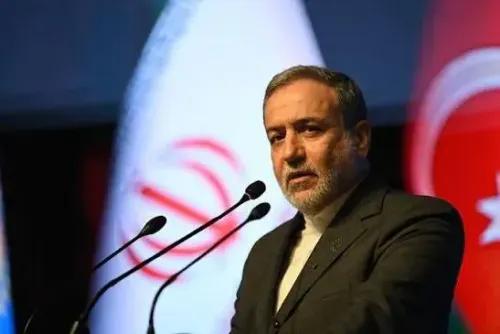
Separately, Iran's Acting Defence Minister Brigadier General Majid Ibn al-Reza issued a pointed warning against what he described as deliberate efforts to promote civilisational confrontation. Citing recent remarks by US officials about Iran and its civilisation, Ibn al-Reza said framing historical and cultural differences as grounds for political and military conflict was a 'dangerous miscalculation,' according to Iran's official IRNA news agency.
'Promoting civilisational confrontation is like playing with fire,' Ibn al-Reza was quoted as saying, warning that those who ignite it 'cannot control its spread or shield themselves from its consequences.' He made the remarks during a meeting with heads of industrial organisations affiliated with the Ministry of Defence and Armed Forces Logistics. He also said Iran would not permit threats or attempts at humiliation to compromise its national identity or independence.
What This Means for Global Energy Markets
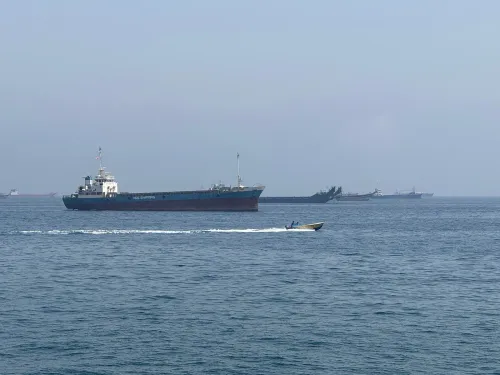
The Strait of Hormuz is among the world's most consequential maritime chokepoints, with an estimated 20% of globally traded oil passing through it. Any sustained disruption would have immediate consequences for crude prices and energy security across Asia, including India, which depends heavily on Middle Eastern oil imports. This comes amid an already volatile global energy market, with OPEC decisions and geopolitical flashpoints keeping crude elevated.
Tehran's explicit linkage of the waterway's security to US military conduct signals that diplomacy remains fraught, and the outcome of ongoing mediation efforts will be closely watched by energy markets and regional powers alike.
Point of View
Not bluster — Iran knows that even the credible threat of disruption moves oil markets and puts pressure on Washington's regional partners, including Gulf states and India. The seven-point mediation framework signals that Iran wants an off-ramp but insists on comprehensive relief, not piecemeal concessions. What is often missed in coverage is the frozen-assets demand: these represent significant economic relief that Tehran sees as non-negotiable. The civilisational-confrontation warning from the Acting Defence Minister adds an ideological dimension that complicates any purely transactional deal, suggesting hardliners in Tehran are setting the floor for any eventual agreement.
NationPress
12 Oct 2026
Frequently Asked Questions
What did Iran say about the Strait of Hormuz?
Iran's Foreign Ministry spokesperson Esmaeil Baghaei warned on 12 October that the Strait of Hormuz will not be secure as long as the United States continues its military actions in the region. He rejected US President Donald Trump's claims that Iran has lost leverage over the critical waterway, saying American assertions do not reflect ground realities.
What are the seven points in Iran-US mediation talks?
According to Baghaei, the seven points being exchanged through mediators include the lifting of a blockade, a halt to hostilities on all fronts, and the release of Iran's frozen assets. He also noted that new US sanctions imposed during the talks must be lifted as part of any agreement, and acknowledged that the points tabled so far remain insufficient.
What is the Islamabad memorandum of understanding mentioned by Iran?
Baghaei stated that whatever was included in the Islamabad memorandum of understanding remains in place, indicating it forms part of the diplomatic framework guiding ongoing negotiations between Iran and the US through intermediaries. Further details of the memorandum's contents were not disclosed.
What did Iran's Acting Defence Minister warn about?
Brigadier General Majid Ibn al-Reza warned that efforts to promote civilisational confrontation based on historical and cultural differences were a dangerous miscalculation. He cautioned that 'those who ignite' such a fire cannot control its spread, and said Iran would not allow threats to undermine its national identity or independence.
Why does the Strait of Hormuz matter for global energy?
The Strait of Hormuz is one of the world's most critical oil transit routes, with approximately 20% of globally traded crude passing through it. Any disruption — or even a credible threat of one — can drive up global crude prices, affecting import-dependent economies including India, which sources a significant share of its oil from the Middle East.