Iran-US deal not finalised yet, Tehran asserts Hormuz rights: Baghaei
Synopsis
No deal, no enrichment talks, and a firm claim over Hormuz — Iran's Foreign Ministry has pushed back sharply against Trump's public list of demands, insisting the strait's future is Tehran and Muscat's business alone. With Pakistani mediation ongoing and a memorandum of understanding still being drafted, the gap between the two sides' positions remains wide.
Key Takeaways
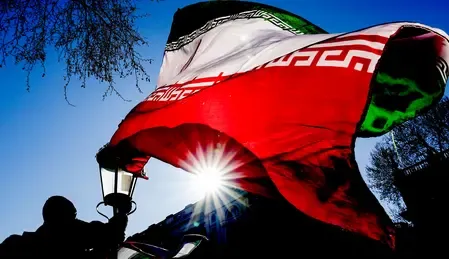
Iranian Foreign Ministry spokesman Esmaeil Baghaei confirmed on 30 May that no Iran-US agreement has been finalised.
Baghaei said Iran's focus in negotiations is 'on ending the war' and that uranium enrichment details are not being discussed at this stage.
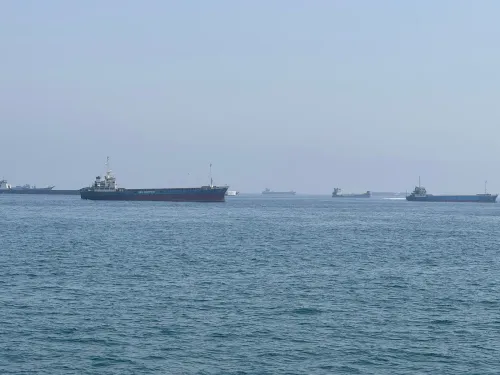
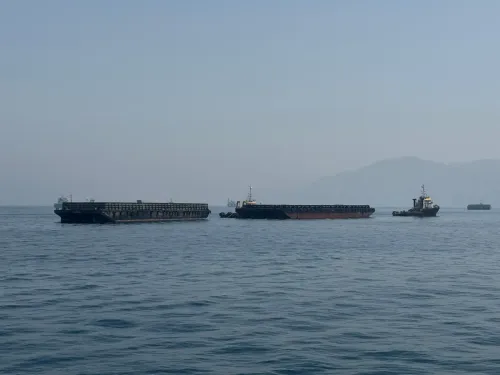
Tehran asserted that management of the Strait of Hormuz 'concerns only Iran and Oman,' directly countering Trump's demand for unrestricted passage.
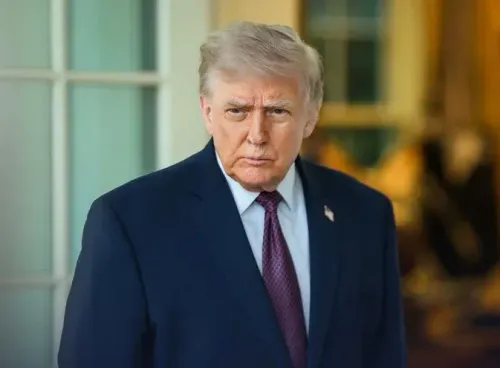
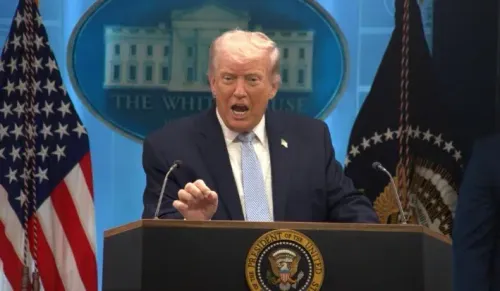
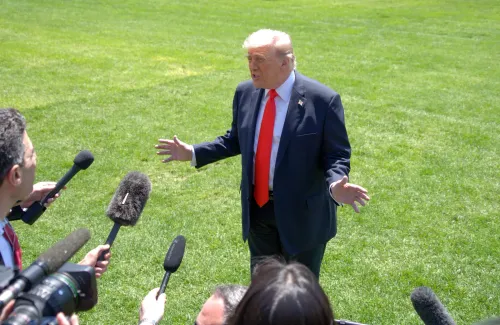
President Trump publicly demanded Iran renounce nuclear weapons, open Hormuz toll-free, and allow destruction of enriched uranium stockpiles under IAEA supervision.
Trump said 'no money will be exchanged, until further notice,' rejecting Iran's reported demand for financial war compensation.
A ceasefire between Iran, the US, and Israel has held since 8 April ; Pakistan is reportedly mediating ongoing talks toward a memorandum of understanding.
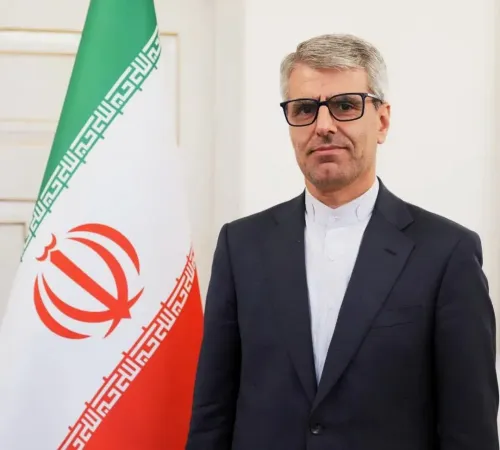
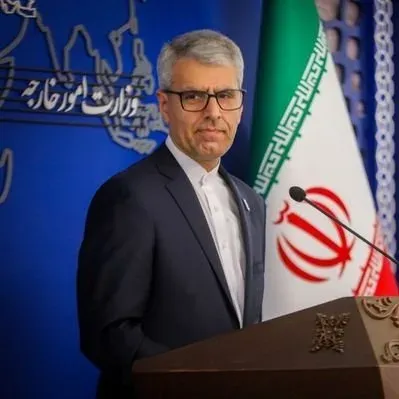
Iranian Foreign Ministry spokesman Esmaeil Baghaei confirmed on 30 May that no agreement has been finalised between Iran and the United States, and that the exchange of messages between the two sides is ongoing. Baghaei made the remarks in a telephone interview with state-run IRIB TV, hours after US President Donald Trump publicly outlined his conditions for a deal.
Iran's Position on Negotiations
Baghaei stated that Iran's current focus in the talks 'is on ending the war.' He clarified that uranium enrichment is not yet on the table: 'We have no talk on details of the issues pertaining to Iran's uranium enrichment or enriched uranium at this stage,' he said. On the sensitive question of the Strait of Hormuz, Baghaei was unequivocal — future management of the strait 'concerns only Iran and Oman,' signalling Tehran's intent to retain sovereign authority over the critical waterway.
What Trump Demanded
Earlier on the same day, President Trump posted his demands on social media, stating: 'Iran must agree that they will never have a Nuclear Weapon or Bomb.' He further demanded that the Hormuz Strait be 'immediately open, no tolls, for unrestricted shipping traffic, in both directions,' and that all water mines, if any, be eliminated. Trump also announced that the US naval blockade 'will now be lifted.'
On Iran's enriched uranium stockpiles, Trump said they would be 'unearthed by the United States in coordination with Iran and the International Atomic Energy Agency and destroyed.' Regarding financial compensation that Iran had reportedly demanded for war damages, Trump said: 'No money will be exchanged, until further notice.'
Background: Ceasefire and Mediation
Iran, the United States, and Israel reached a ceasefire on 8 April after 40 days of fighting. Since then, both sides have reportedly exchanged several proposed plans outlining conditions for a permanent settlement, with Pakistan reportedly serving as a mediator. According to reports, the two sides are working to finalise a memorandum of understanding.
Why the Hormuz Dispute Matters
The Strait of Hormuz is one of the world's most strategically vital chokepoints, through which roughly 20% of global oil supplies pass. Tehran's assertion that the strait's management is a bilateral matter between Iran and Oman directly contradicts Trump's demand for unrestricted, toll-free passage — marking one of the sharpest points of contention in the ongoing negotiations. This is not the first time Iran has used Hormuz as diplomatic leverage; the threat of closure has historically served as a pressure valve in US-Iran standoffs.
What Comes Next
Trump indicated he would 'soon make a decision' on the deal. With no agreement finalised and core disagreements remaining — on uranium enrichment, financial compensation, and Hormuz governance — the path to a formal accord remains uncertain. The Pakistani mediation channel is expected to remain active as both sides continue to exchange draft proposals.
Point of View
And the Hormuz assertion is the clearest signal yet of where Tehran draws its red lines. Trump's social media demands, while maximalist, also serve a domestic audience; the gap between his stated conditions and what Iran will accept on enrichment and compensation is substantial. The Pakistani mediation channel is doing real work, but the public posturing from both sides suggests the memorandum of understanding, if it materialises, will be a minimalist document — a ceasefire formalisation rather than a comprehensive nuclear accord. The enrichment question, deliberately sidelined by Baghaei, is the issue that will ultimately determine whether this is a durable settlement or a pause.
NationPress
16 Sept 2026
Frequently Asked Questions
Has Iran and the US reached a deal as of 30 May 2025?
No. Iranian Foreign Ministry spokesman Esmaeil Baghaei confirmed on 30 May that no agreement has been finalised and that message exchanges between the two sides are continuing. Both sides are reportedly working toward a memorandum of understanding through Pakistani mediation.
What are Trump's conditions for a deal with Iran?
President Trump publicly demanded that Iran permanently renounce nuclear weapons, open the Strait of Hormuz for unrestricted toll-free shipping, allow the US and IAEA to destroy Iran's enriched uranium stockpiles, and accept that no financial compensation for war damages will be exchanged for now. He also announced the lifting of the US naval blockade.
Why is the Strait of Hormuz a key point of contention?
The Strait of Hormuz is a critical global oil chokepoint through which roughly 20% of world oil supplies pass. Iran's assertion that its management is solely a matter for Iran and Oman directly contradicts Trump's demand for immediate, unrestricted passage — making it one of the central disputes in the negotiations.
What is the current status of Iran-US ceasefire?
Iran, the United States, and Israel reached a ceasefire on 8 April after 40 days of fighting. Since then, both sides have reportedly exchanged multiple draft proposals through Pakistani mediation and are working to finalise a memorandum of understanding.
Is Iran discussing uranium enrichment in the current talks?
No, not at this stage. Baghaei explicitly stated that there are no talks on the details of uranium enrichment or enriched uranium stockpiles in the current round of negotiations, though Trump's public demands include their destruction under IAEA supervision.