Iran-Oman Hormuz Strait route agreement reached, joint statement pending
Synopsis
Iran and Oman have agreed on the map of a new maritime route through the Strait of Hormuz — but the joint statement is still being negotiated. Simultaneously, Iran declared the 60-day Iran-US nuclear talks window has lapsed without a single round of negotiations, blaming Washington. And a senior Iranian diplomat has warned the strait opens and closes only 'under Iran's command' — a direct rebuke to Trump's claim of US territorial rights over the waterway.
Key Takeaways
Iran and Oman have agreed on the map of a new maritime traffic route through the Strait of Hormuz , as confirmed by spokesman Esmaeil Baghaei on 17 August .
A finalised package comprising the route map and a joint statement is still being negotiated between Tehran and Muscat .
The 60-day Iran-US memorandum of understanding signed on 18 June expired on Monday without any nuclear negotiations taking place; Iran blamed 'flagrant US violations.' Deputy foreign minister Kazem Gharibabadi stated on X that the Strait of Hormuz 'will only be closed and opened under Iran's command,' directly responding to President Trump's claim of future US territorial rights over the strait.
The Strait of Hormuz handles roughly 20% of global petroleum liquids, making it the world's most critical oil chokepoint.
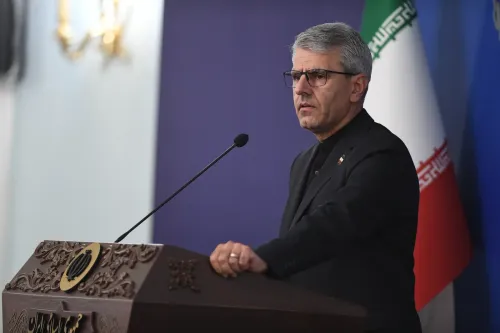
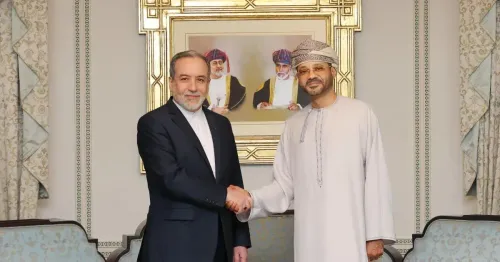
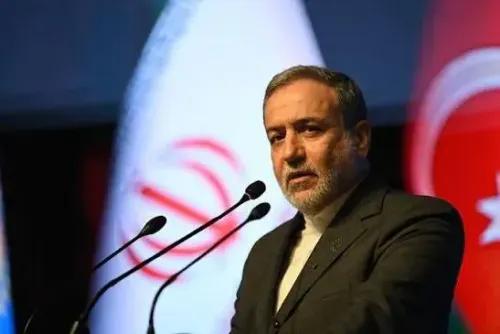
Iranian foreign ministry spokesman Esmaeil Baghaei announced on Monday, 17 August that Iran and Oman have reached agreement on the map of a new maritime traffic route through the Strait of Hormuz. The announcement came during Baghaei's weekly press conference in Tehran, marking a significant step in ongoing bilateral negotiations over safe passage through one of the world's most strategically critical waterways.
State of the Agreement
According to Baghaei, the two countries are now working to finalise the agreement as a package comprising both the agreed map and a joint statement. He noted that both sides are actively exchanging views on the text of the joint statement, with the shared objective of developing a mechanism capable of safeguarding their respective interests, addressing mutual concerns, and accounting for considerations relevant to international shipping.
Baghaei attributed delays in concluding the process to the complexity of the issue, what he described as 'the number of the players' seeking to influence the negotiations, and 'attempts by certain malicious parties' to obstruct progress.
Iran-US Nuclear Deal Deadline Passes
Separately, Baghaei addressed the status of the Iran-US memorandum of understanding signed on 18 June, under which both countries were scheduled to hold negotiations on Tehran's nuclear programme and the removal of sanctions within a 60-day window — a deadline that expired on Monday. Baghaei said the negotiations never commenced, placing responsibility squarely on what he characterised as 'flagrant and extensive violations' of the deal by the United States.
Iran's Sharp Warning on Strait Control
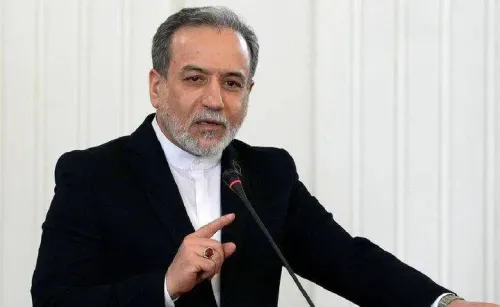
The Hormuz developments are unfolding against a backdrop of escalating rhetoric. On Saturday, Kazem Gharibabadi, Iran's deputy foreign minister for legal and international affairs, posted on X in direct response to a claim by US President Donald Trump, who had reportedly stated he would soon declare the strait a US territory.
Gharibabadi was unequivocal: 'The Strait of Hormuz can be captured neither with a tweet and aircraft carriers nor by issuing orders and a stump speech. Iran is neither afraid of threats nor intimidated by displays of power.' He added, 'This strait will only be closed and opened under Iran's command.'
Why the Strait of Hormuz Matters
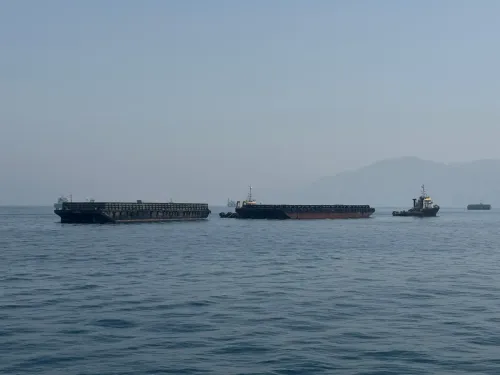
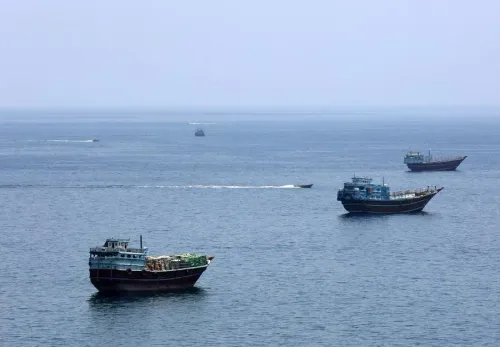
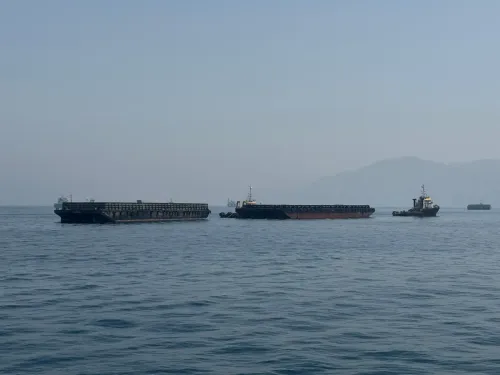
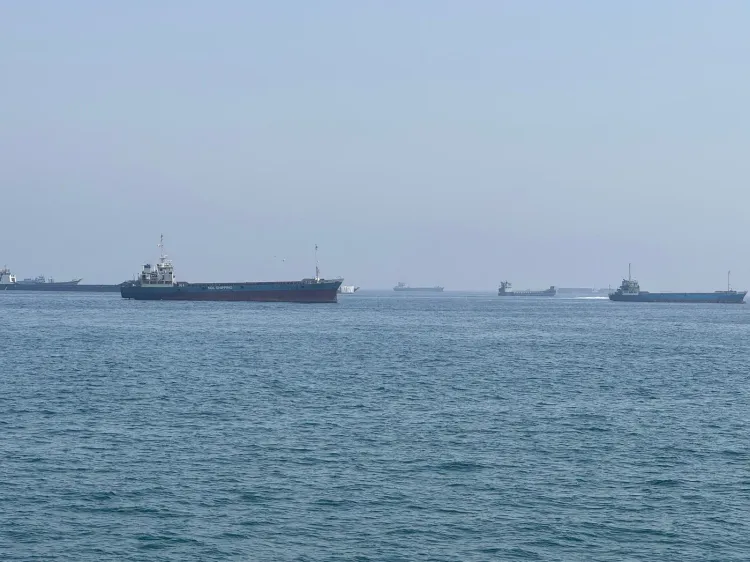
The Strait of Hormuz is the world's single most important oil chokepoint, with roughly 20% of global petroleum liquids transiting the waterway annually, according to energy data. Any disruption — or even credible threat of disruption — has immediate consequences for global oil prices and energy security. The Iran-Oman route-mapping exercise is widely seen as an attempt to establish a mutually recognised framework that could reduce the risk of maritime incidents in the strait.
Notably, this is not the first time Iran and Oman have served as back-channel interlocutors on sensitive regional matters — Muscat has historically played a quiet diplomatic role between Tehran and Western powers. The current route agreement, if finalised, would represent a rare instance of formalised maritime cooperation in a region where tensions remain elevated.
What Happens Next
With the Iran-US nuclear talks deadline now lapsed and no negotiations having taken place, the diplomatic calendar ahead looks uncertain. On the Hormuz front, both Tehran and Muscat are expected to continue exchanging drafts of the joint statement. The pace of finalisation will likely depend on whether external pressures — including US posturing over the strait — complicate or accelerate the bilateral process.
Point of View
But the real story is the collision of two simultaneous crises: the lapse of the Iran-US nuclear MoU without a single negotiating session, and Tehran's increasingly assertive posture over Hormuz. Gharibabadi's X post — framed as a direct answer to Trump — signals that Iran is no longer content with quiet back-channels and is willing to contest the narrative publicly. The risk is that US domestic politics and Iranian domestic pressures create a cycle of escalation that makes the Oman-brokered route agreement irrelevant before the ink dries. Oman's role as a neutral interlocutor has historically been Iran's most reliable diplomatic lifeline; whether that channel can survive the current temperature is the question mainstream coverage is not asking.
NationPress
2 Oct 2026
Frequently Asked Questions
What has Iran and Oman agreed on regarding the Strait of Hormuz?
Iran and Oman have agreed on the map of a new maritime traffic route through the Strait of Hormuz, according to Iranian foreign ministry spokesman Esmaeil Baghaei. The two countries are now working to finalise the agreement as a package that includes the map and a joint statement.
Why has finalising the Hormuz agreement taken so long?
Spokesman Esmaeil Baghaei attributed the delays to the complexity of the issue, the involvement of multiple external players seeking to influence the process, and what he described as interference by 'certain malicious parties.' Both Tehran and Muscat are still exchanging drafts of the joint statement.
What happened to the Iran-US nuclear talks deadline?
The 60-day window for Iran-US nuclear negotiations, established under a memorandum of understanding signed on 18 June, expired on Monday 17 August without any talks having taken place. Iran's foreign ministry blamed 'flagrant and extensive violations' of the deal by the United States.
What did Iran say about controlling the Strait of Hormuz?
Deputy foreign minister Kazem Gharibabadi stated on X that the Strait of Hormuz 'will only be closed and opened under Iran's command.' The remarks were a direct response to US President Donald Trump's reported claim that he would soon declare the strait a US territory.
Why does the Strait of Hormuz matter globally?
The Strait of Hormuz is the world's most critical oil chokepoint, with approximately 20% of global petroleum liquids passing through it annually. Any disruption or credible threat to navigation there has immediate consequences for global energy prices and supply chains.