Iran-Oman Hormuz Strait talks in final stages, new route being mapped
Synopsis
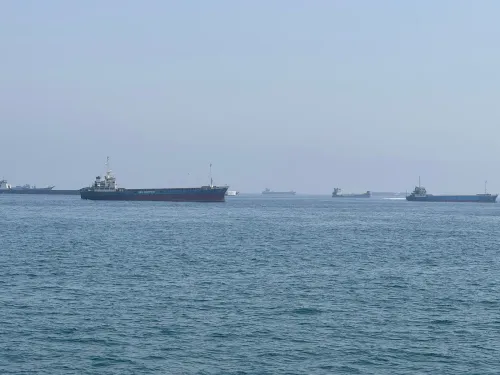
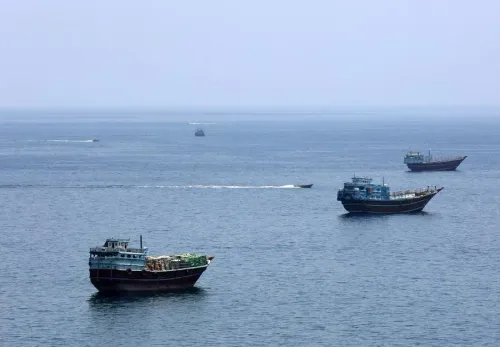
With US-Iran military tensions still smouldering after strikes and counter-strikes, Tehran and Muscat are quietly finalising a deal to carve out a new shipping lane in the Strait of Hormuz — a waterway that handles roughly a fifth of the world's oil. If it holds, it could be the most consequential diplomatic move in the Gulf since the crisis erupted in February.
Key Takeaways
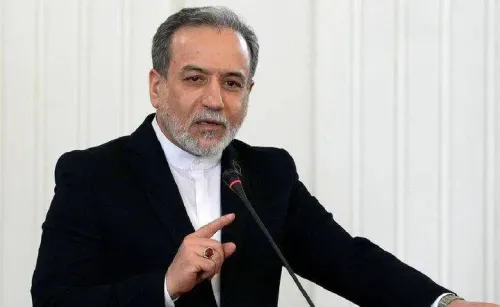
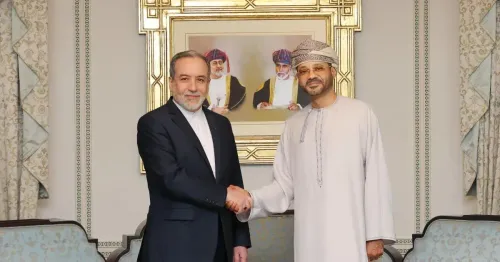
Iranian Foreign Minister Seyed Abbas Araghchi confirmed on 2 August that Iran-Oman talks on the Strait of Hormuz are in their final stages .
The two sides are working to designate a new shipping route within the strait under a traffic separation scheme, not to reopen or close the waterway outright.
Acting Defence Minister Seyed Majid Ebn Al-Reza posted on X that Iran will treat all threats as real and will use them to strengthen its deterrence.
Tehran tightened its grip on the strait after joint US-Israeli strikes on 28 February ; Iran retaliated with missile and drone attacks on US bases in the region.
Oman is serving as a key diplomatic intermediary, consistent with its historical back-channel role between Tehran and the West.
Iranian Foreign Minister Seyed Abbas Araghchi announced on Sunday, 2 August that negotiations between Iran and Oman over the Strait of Hormuz have entered their final stages, with both sides working to designate a new shipping route within the waterway. The disclosure, made during a cabinet meeting in Tehran, signals a potential diplomatic breakthrough in one of the world's most strategically sensitive maritime corridors.
What the Talks Involve
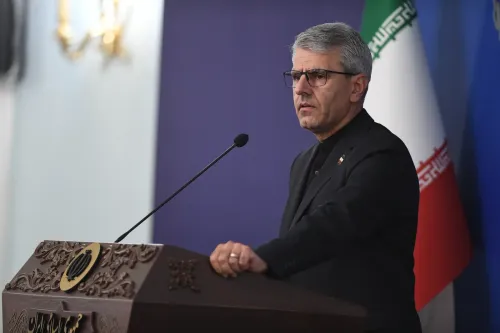
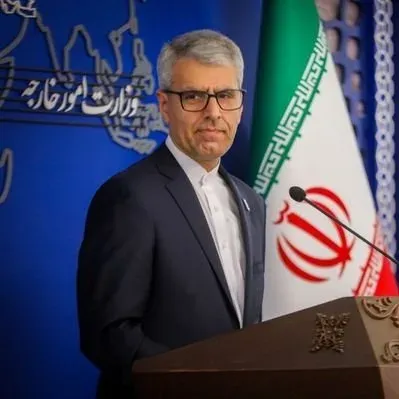
Iranian foreign ministry spokesman Esmaeil Baghaei clarified that the bilateral negotiations are focused on establishing a 'new route' inside the strait under a traffic separation scheme format. He stressed that reaching an agreement is not contingent on whether the waterway is reopened or kept closed, but is instead aimed at formally delineating a passage that safeguards both nations' sovereign rights as well as Iran's national interests and security.
Araghchi told the cabinet that the talks have 'progressed and are on the path of being finalised,' suggesting that a formal accord could be imminent, though no signing date has been announced.
Iran's Defence Posture Amid Escalation
Separately, Iran's Acting Defence Minister Seyed Majid Ebn Al-Reza on Sunday used his official account on social media platform X to warn that Tehran treats every adversarial threat as credible. 'We will neither be surprised nor remain passive. We use threats as a basis to increase our preparedness, strengthen our deterrence, and develop our power,' Al-Reza wrote, responding to remarks by US President Donald Trump, who had earlier said he had agreed to hold off fresh strikes against Iran.
Background: How the Crisis Escalated
Tehran tightened its control over the Strait of Hormuz following joint US-Israeli strikes on Iran on 28 February. The US military subsequently launched multiple waves of strikes against Iranian targets, stating the operations were intended to degrade Iran's ability to threaten commercial shipping, citing prior Iranian attacks on vessels transiting the strait. Iran retaliated with missile and drone strikes on US military installations across the region.
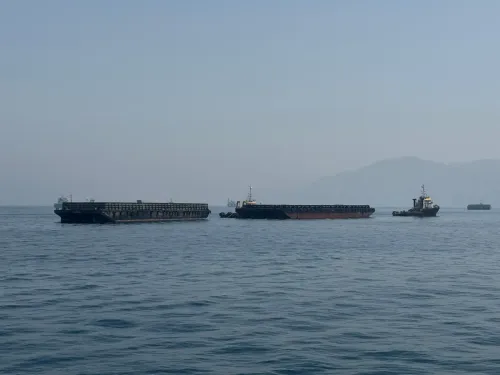
The strait carries an estimated 20% of the world's oil supply, making any disruption to navigation a concern for global energy markets and international trade routes.
What Happens Next
The Iran-Oman framework, if finalised, could provide a diplomatic off-ramp from an increasingly volatile confrontation in the Persian Gulf. Oman has historically served as a back-channel intermediary between Tehran and Western powers. Whether a new traffic separation scheme in the strait will be accepted by the United States and its allies remains to be seen, and the broader military standoff between Washington and Tehran continues to cast a shadow over any deal's durability.
Point of View
Yet a functional diplomatic channel through Muscat remains intact. The framing of a 'new route' rather than a reopening is deliberate: it allows Iran to claim sovereign control of the strait was never surrendered while offering commercial shipping a workable passage. The harder question is enforcement — any traffic separation scheme requires buy-in from the US Navy, which currently operates in the same waters it has been striking. A deal signed in Muscat that Washington does not recognise would be paper diplomacy at best.
NationPress
17 Sept 2026
Frequently Asked Questions
What are Iran and Oman negotiating over the Strait of Hormuz?
Iran and Oman are in advanced talks to establish a new shipping route inside the Strait of Hormuz under a traffic separation scheme format. The agreement is designed to protect both countries' sovereign rights and Iran's national security interests, and is not directly tied to a decision on whether the strait is reopened or kept closed.
How close are the Iran-Oman Hormuz talks to a conclusion?
Iranian Foreign Minister Seyed Abbas Araghchi said on 2 August that the negotiations have 'progressed and are on the path of being finalised,' indicating the talks are in their final stages. No signing date has been publicly announced.
What triggered the current Strait of Hormuz crisis?
Tehran tightened its control over the Strait of Hormuz after the United States and Israel launched joint strikes against Iran on 28 February. The US military subsequently conducted multiple additional strike waves, citing Iranian attacks on commercial vessels, and Iran retaliated with missile and drone strikes on US military bases in the region.
What did Iran's Acting Defence Minister say about US threats?
Acting Defence Minister Seyed Majid Ebn Al-Reza wrote on X that Iran considers every adversarial threat 'real and noteworthy' and will use such threats to increase preparedness and strengthen deterrence, rejecting any suggestion they amount to mere psychological warfare.
Why is Oman involved in these talks?
Oman has historically acted as a neutral back-channel between Iran and Western powers, making it a credible mediator. Its involvement in the Hormuz negotiations follows a well-established pattern of Muscat facilitating dialogue during periods of US-Iran tension.