Iran-Oman agree on Hormuz shipping route coordinates amid US blockade
Synopsis
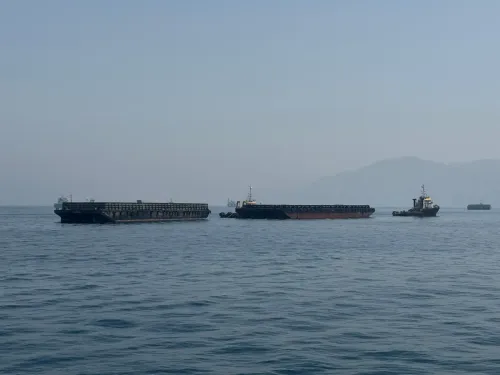
Iran and Oman have agreed on the coordinates of a proposed Hormuz shipping corridor after two months of talks — but Tehran is clear that the US maritime blockade makes the strait far from safe. With US strikes, Iranian missile responses, and 'third party' threats all still live, this diplomatic progress is fragile at best.
Key Takeaways
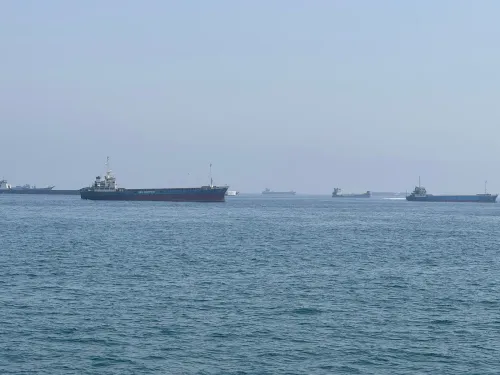
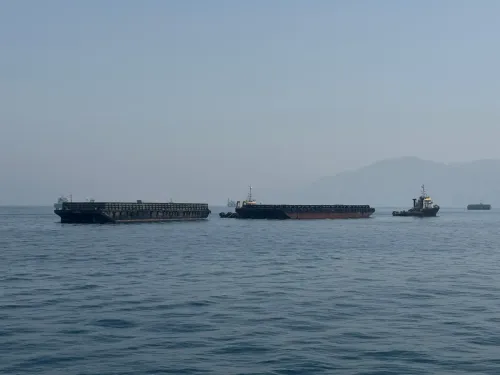
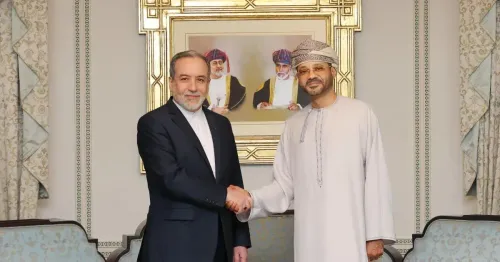
Iran and Oman have agreed on geographical coordinates for a proposed commercial shipping route through the Strait of Hormuz .
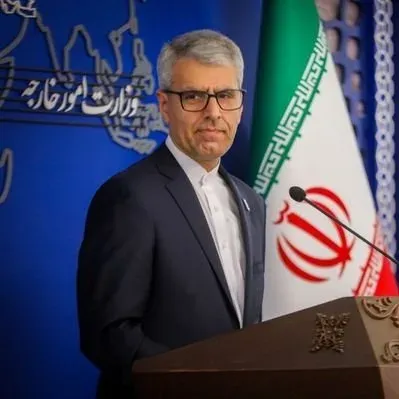
A joint statement is being finalised, contingent on 'certain third parties' not hindering the process, according to spokesperson Esmaeil Baghaei .
Bilateral consultations have been ongoing for two months , covering technical, legal, security, and environmental dimensions.
Iran closed the strait to Israeli- and US-affiliated vessels on 28 February following strikes it attributed to the two countries.
The US military launched multiple strike waves against Iranian targets last month; Iran responded with missile and drone attacks on US bases in the region.
Iranian FM Araghchi briefed Italian FM Tajani on the Oman talks during a phone call on Wednesday .
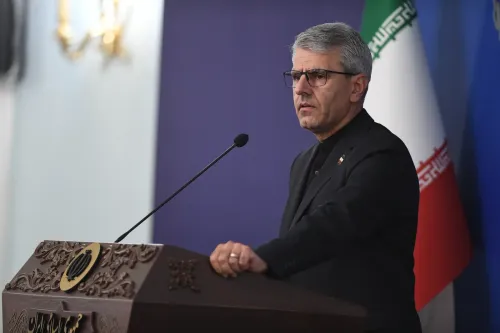
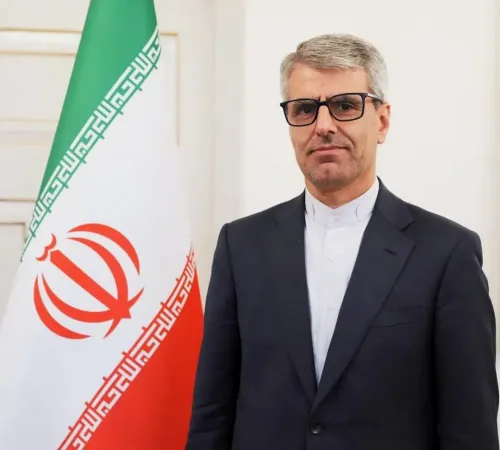
Iran and Oman have reached an understanding on the geographical coordinates of a proposed safe commercial shipping route through the Strait of Hormuz, Iranian Foreign Ministry spokesperson Esmaeil Baghaei said on Wednesday. The two countries are now finalising a joint statement on agreed-upon points, provided that 'certain third parties' do not obstruct the process, according to an Iranian ministry press release.
State of Negotiations
Bilateral consultations on the proposed route have been ongoing for the past two months, with Iranian authorities examining the technical, legal, security, and environmental dimensions of the corridor. Baghaei cautioned, however, that the bilateral understanding alone does not render the strait safe for transiting vessels, as the US maritime blockade and what he described as 'aggressive and threatening' actions against Iran and its interests remain in force.
How the Strait Was Closed
Iran tightened its control over the Strait of Hormuz on 28 February, barring safe passage to vessels belonging to or affiliated with Israel and the United States, following what Tehran characterised as joint strikes on Iranian territory. Baghaei attributed the strait's closure to US and Israeli 'military aggression' against Iran and the resulting security consequences for the wider region.
US Strikes and Iran's Response
The US military launched multiple waves of strikes against Iranian targets last month, stating the operations were aimed at 'degrading Iran's ability to threaten commercial shipping' and were in response to Iranian actions against vessels in the strait. Iran subsequently responded with missile and drone attacks targeting US military bases and facilities across the region, significantly escalating the standoff.
Diplomatic Contacts and Italy Briefing
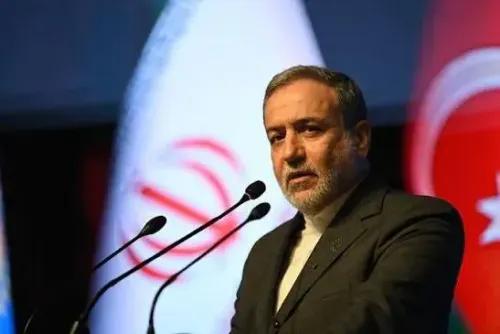
Iranian Foreign Minister Seyed Abbas Araghchi separately briefed his Italian counterpart, Antonio Tajani, on the latest diplomatic developments between Iran and Oman during a phone call on Wednesday. Both ministers underscored the importance of continuing political and diplomatic consultations and regional cooperation to help reduce tensions, according to Iran's official news agency.
Baghaei also confirmed there are currently no plans for visits by Araghchi or Iranian Parliament Speaker Mohammad Bagher Ghalibaf to Pakistan or Qatar this weekend, though both countries continue efforts to ease regional tensions and Iran remains in active contact with them.
The coming days will test whether the Iran-Oman framework can survive pressure from 'third parties' and translate into a functioning shipping corridor — a development that would carry major consequences for global energy markets.
Point of View
Pointing to an active US maritime blockade. The 'third parties' caveat is a built-in escape clause that could unravel the framework before a joint statement is even signed. What this episode really reveals is the limits of bilateral diplomacy when a third power — the US — controls the security calculus in the strait. Oman has historically played the quiet broker between Tehran and Washington, but brokering a shipping lane while a shooting war simmers is a different order of difficulty. Global energy markets, which route roughly 20% of traded oil through Hormuz, will be watching whether this agreement moves from coordinates on paper to vessels actually transiting safely.
NationPress
20 Sept 2026
Frequently Asked Questions
What have Iran and Oman agreed on regarding the Strait of Hormuz?
Iran and Oman have reached an understanding on the geographical coordinates of a proposed safe commercial shipping route through the Strait of Hormuz. The two countries are finalising a joint statement on the agreed points, subject to no interference from 'certain third parties,' according to Iranian Foreign Ministry spokesperson Esmaeil Baghaei.
Why was the Strait of Hormuz closed to commercial shipping?
Iran tightened control over the Strait of Hormuz on 28 February, barring vessels affiliated with Israel and the United States following what Tehran described as joint strikes on Iranian territory. Iranian officials have attributed the closure to US and Israeli 'military aggression' and its security consequences for the region.
Does the Iran-Oman agreement mean the strait is now safe for shipping?
No. Iran's own spokesperson clarified that the bilateral understanding does not mean the strait is safe for transiting vessels, as the US maritime blockade and other actions against Iran's interests remain in place. The agreement covers coordinates for a proposed route, not a guarantee of security.
What is the status of US-Iran military exchanges?
The US military launched multiple waves of strikes against Iranian targets last month, citing Iranian actions against vessels in the strait. Iran responded with missile and drone attacks on US military bases and facilities in the region, leaving the broader military standoff unresolved.
Which other countries are involved in diplomatic efforts around the Hormuz crisis?
Pakistan and Qatar are reportedly engaged in efforts to ease regional tensions and remain in active contact with Iran. Iranian FM Araghchi also briefed Italian FM Antonio Tajani on the Iran-Oman diplomatic developments during a phone call on Wednesday, signalling broader international interest in a resolution.